
How Auditable Remanufacturing Reduces Insurance Risk and Claim Complications?
Introduction
Heavy truck insurance and accident claims often become complicated when vehicle condition, repair history and structural integrity cannot be proven. Insurers view undocumented used or casually refurbished trucks as higher-risk assets, which translates into higher premiums, restrictive policy terms and lengthy claim investigations.
REMAN ROAD auditable remanufacturing builds a complete, VIN-linked evidence trail of rebuilds, non-destructive testing, component replacements and performance validation. This transparent record helps underwriters assess risk accurately and streamlines the whole claims process when incidents take place.
Insurers Price Risk Based on Verifiable Condition
Underwriters calculate premiums largely around uncertainty. A truck with unknown service and rebuild history carries hidden risk: undiscovered frame fatigue, uncertified brake work or second-rate replacement parts may worsen accident outcomes or create avoidable failures. Auditable remanufacturing documentation removes much of this ambiguity.
Every critical inspection and rebuild step is logged, timestamped and cross-referenced. Insurers can confirm the unit meets defined safety standards, rather than assuming the worst-case condition. In many cases, this supported risk profile qualifies the fleet for more favourable premium structures compared with uncertified used assets.
Faster, Less Disputed Claims After Breakdown or Collision
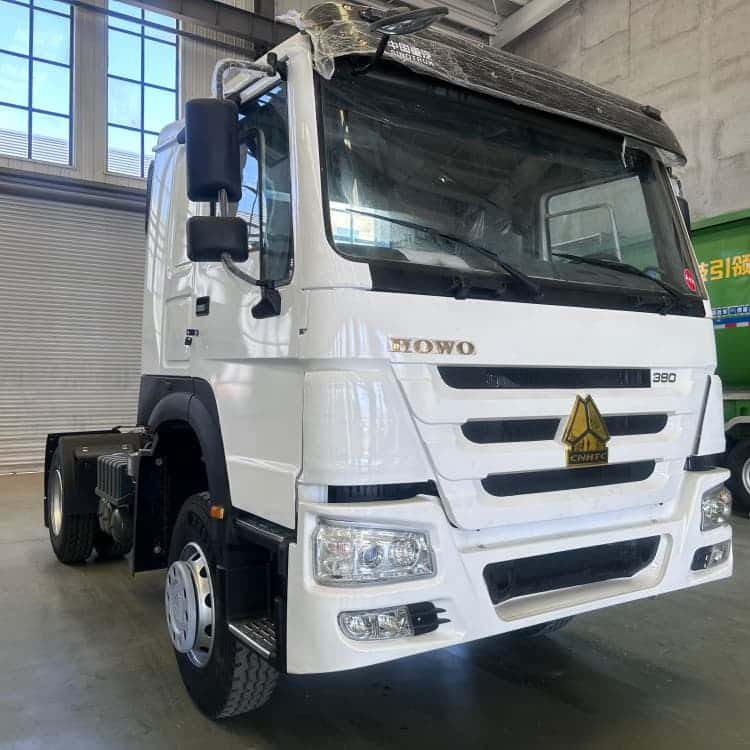
When a claim is submitted, insurers first investigate whether mechanical failure stemmed from pre-existing defects. Without proof of prior testing, adjusters may delay payout or argue that poor maintenance or shoddy rebuild work caused the incident. The full auditable remanufacturing package acts as independent proof that safety systems, load-bearing structures and powertrain were validated before entry into service.
Adjusters can quickly review NDT reports, dyno results and component logs to separate rebuild-compliant condition from in-service wear or accident damage. This cuts down investigative time and reduces the chance of claim denial or reduction.
Reduces the Burden of Post-Incident Evidence Gathering
After an accident or roadside failure, fleet teams are already busy managing site shutdowns, client communications and recovery logistics. Hunting for scattered receipts, old workshop notes and verbal supplier confirmations adds extra stress. Auditable reman trucks carry a permanent digital passport that can be shared directly with insurance adjusters.
The fleet does not need to reconstruct the vehicle’s history from scratch. This organised documentation lightens the administrative workload for maintenance and management teams and speeds up the whole settlement timeline.
Supports Clear Liability Separation
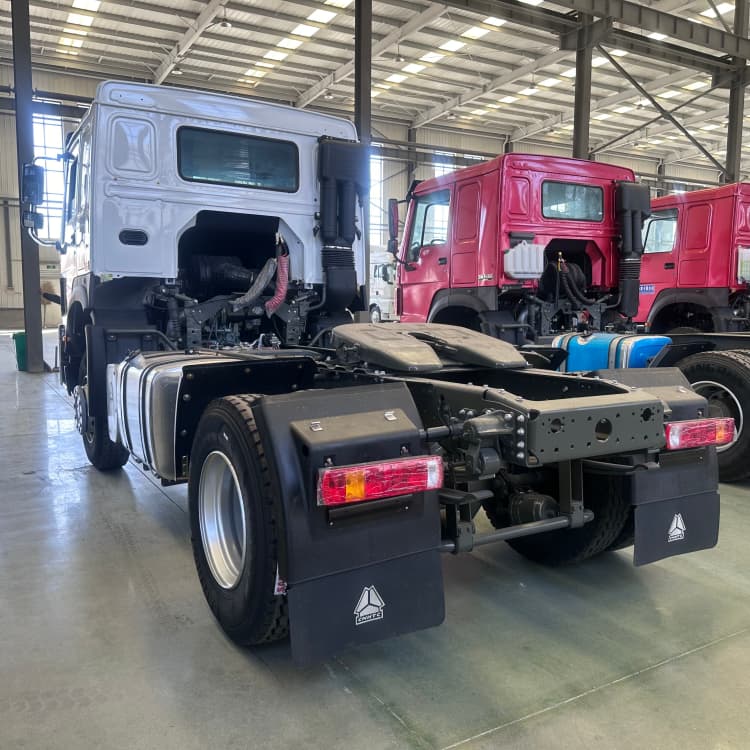
Some claims turn into disputes over liability: whether the root cause was operator error, site operating conditions, overloading, or a pre-existing mechanical defect. Standardised auditable remanufacturing test records establish a clear baseline of mechanical fitness at the time of rebuild.
If the truck passed all mandatory checks, the evidence helps isolate causation. This protects the contractor from unfair liability assumptions and avoids drawn-out negotiation cycles that drain management time and cash flow.
Consistent Records Help During Renewals and Fleet Audits
Insurance renewal reviews and insurer site audits become far simpler with a portfolio of auditable reman trucks. Instead of each vehicle being treated as an unknown risk, the fleet can present a unified, repeatable asset standard.
This creates a track record of controlled equipment risk across the whole fleet. Over multiple renewal cycles, this demonstrated discipline supports stable pricing and avoids sudden premium hikes triggered by poor visibility into vehicle condition.
Conclusion
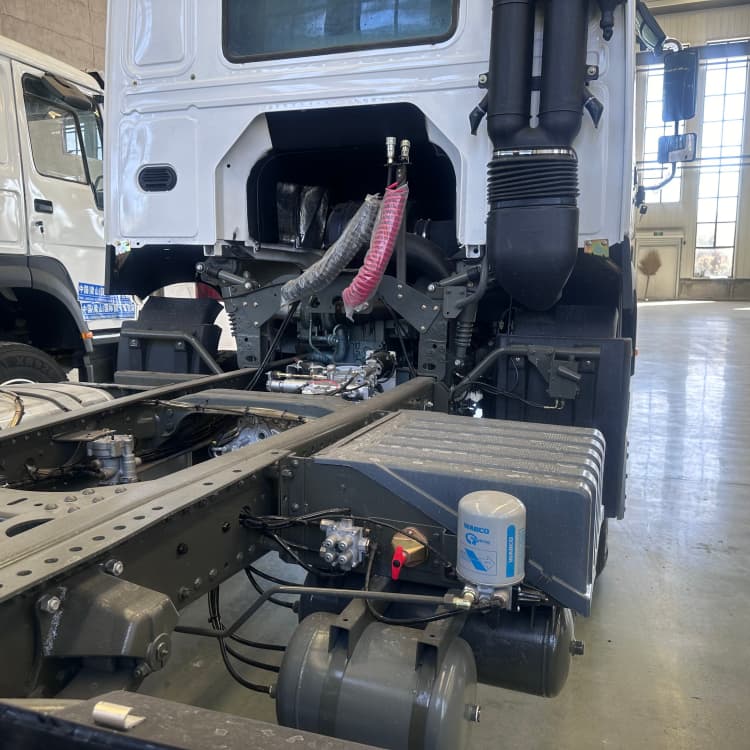
Auditable remanufacturing reduces insurance risk and claim complications by giving insurers reliable, verified proof of vehicle condition and rebuild quality. It lowers uncertainty in underwriting, speeds up claim reviews, minimises disputes and eases the administrative burden after incidents.
For fleet operators, auditable remanufacturing means more predictable insurance costs, smoother settlements and less financial exposure when accidents or mechanical events occur.
One Comment