
How Consistent Reman Quality Cuts Driver Training and Induction Time?
Intro
Fleet managers often overlook how variable vehicle quality and mismatched cabin layouts drain operational efficiency. When a fleet mixes random used trucks, ad-hoc rebuilds and different OEM generations, every new vehicle handles differently, with inconsistent switch positions, brake feel, hydraulic response and warning logic. Drivers need extra hours or even days to adapt, and unfamiliarity raises mistakes, safety incidents and slow work cycles.
REMAN ROAD’s consistent reman quality standardises the core driving interface and vehicle behaviour across its certified reman truck fleet. This uniformity removes the learning curve between trucks, slashing induction and refresh training while lowering avoidable operational risks.
Unified cabin layout and control positioning reduce adaptation work
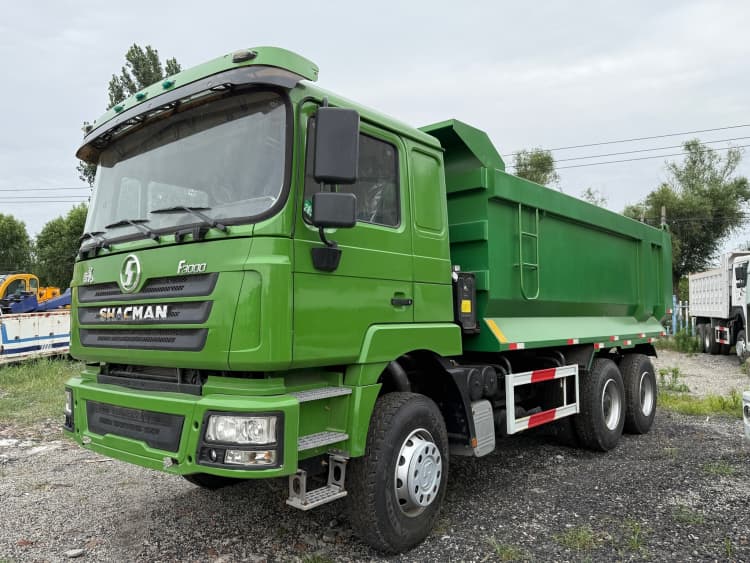
All REMAN ROAD reman work within the same platform follow a standardised cabin restoration rule. Switches for lights, hydraulics, differential locks and auxiliary controls are restored to matching positions, with identical labelling and ergonomic layout.
Unlike irregular refurbished trucks where previous owners may modify panels or rewire controls randomly, drivers do not need to hunt for buttons or memorise one-off modifications. Once trained on one certified reman truck, they can transition to another matching unit with minimal familiarisation.
Predictable brake, throttle and hydraulic behaviour builds muscle memory
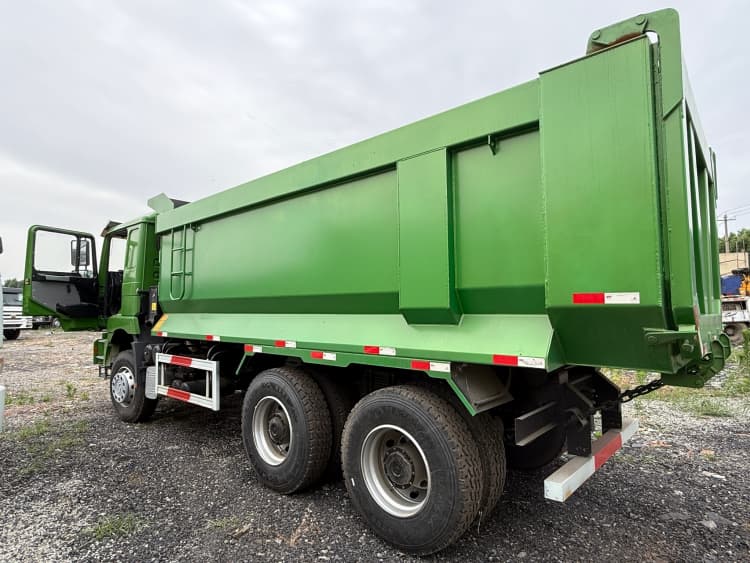
Consistent reman testing enforces fixed performance thresholds for braking response, pedal feel, throttle progression and tipper hydraulic speed. Each assembly including axles, brake chambers, pumps and cylinders goes through the same acceptance test.
Drivers develop reliable muscle memory instead of adjusting to soft brakes on one truck and sharp, erratic response on another. This drastically cuts the supervised familiarisation runs required during handover, especially for casual relief drivers or cross-site rotating crews.
Standardised fault indicators and alarm logic simplify troubleshooting
Unregulated rebuild jobs often retain mismatched sensors, patched wiring or non-original warning lights, producing confusing, inconsistent fault alerts. REMAN ROAD reman work includes resetting sensor calibrations and standardising fault codes and alarm behaviour.
Drivers learn one set of warning signals, knowing exactly what each alert means and what immediate action to take. Less time is wasted contacting supervisors to interpret strange dash warnings, and basic fault training can be delivered once for the whole fleet.
Reduced safety briefing overhead for temporary and seasonal drivers
Many haulage and infrastructure fleets rely heavily on seasonal or short-contract drivers, where induction time directly hits productivity. Heterogeneous fleets require lengthy one-by-one vehicle briefings.
With uniform consistent reman quality, the fleet runs a single core vehicle briefing pack covering controls, safety limits and common quirks. New drivers complete the base training once and can be assigned to any compliant REMAN ROAD reman units, speeding up rostering and filling labour gaps faster.
Lower human-error risk reduces follow-up remedial training
Inconsistent vehicle behaviour is a hidden cause of preventable incidents: missed brake points, wrong hydraulic operation and accidental misuse of auxiliary systems. These events trigger mandatory retraining and disciplinary reviews.
By stabilising vehicle behaviour across the fleet, standardised consistent remanufacturing cuts these avoidable incidents. Less remedial safety training is needed, and training resources can focus on site rules and route hazards instead of individual truck peculiarities.
Closing
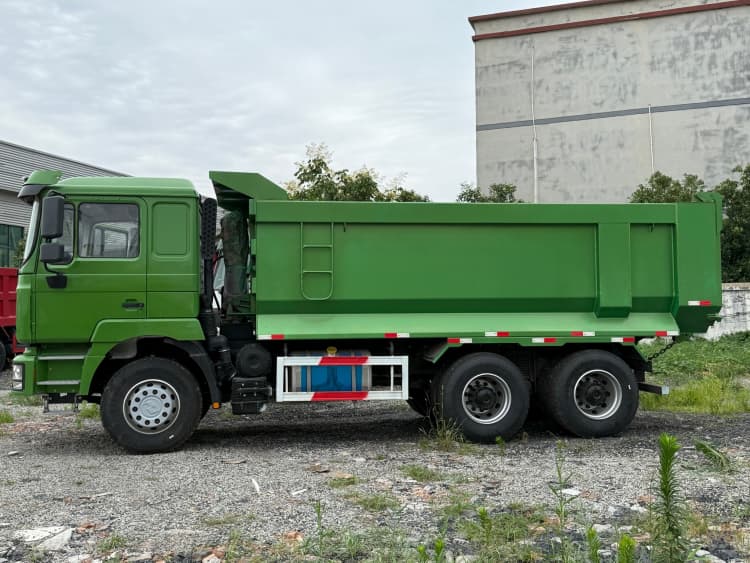
Consistent reman quality is not only about mechanical reliability; it standardises the driver experience across the fleet. Matching controls, predictable handling and unified fault signalling compress induction cycles, simplify cross-vehicle rotation and make onboarding temporary staff far more efficient.
For fleet operators, this means faster driver deployment, fewer human-factor accidents and training budgets that go further without repeating vehicle-specific lessons for every single truck.