
Why Standard Reman Truck Reduces Emergency Workshop Workload and Service Chaos?
Intro
Fleet maintenance workshops are frequently overwhelmed by emergency breakdowns, especially when managing mixed fleets of ageing used trucks, random rebuilds and units with undocumented modification histories. Each incoming fault comes with unknown part specs, unclear repair histories and unpredictable root causes. Technicians waste hours tracing prior repairs, sourcing mismatched spare parts and troubleshooting one-off issues. Unplanned jobs crowd out scheduled servicing, create backlogs and trigger cascading delays for active haulage and construction projects.
REMAN ROAD standard reman trucks bring consistent engineering baseline, defined component specifications and transparent lifecycle records into the fleet. This uniformity shifts workshop workflows from reactive fire-fighting to planned, predictable maintenance, easing emergency workload and untangling service chaos.
Unified component specification eliminates guesswork during fault diagnosis
Informal refurbished trucks often mix old original parts, off-brand substitutes and mismatched replacement components. When a failure occurs, technicians first have to identify which variant of part is fitted, cross-reference non-standard modifications and validate compatibility.
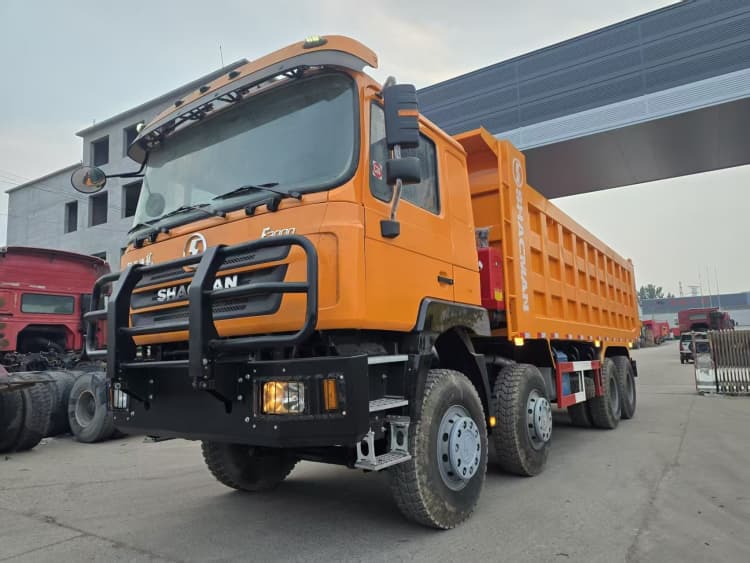
REMAN ROAD standard reman truck follows fixed component selection rules for every reman truck. Core assemblies including engine, transmission, axles and braking systems are renewed or tested to the same standard bill of materials. Technicians know part numbers, tolerances and service limits upfront, drastically cutting diagnostic time and removing delays caused by unidentified custom modifications.
Reset lifecycle and standard testing lower random catastrophic failures
Most emergency workshop calls stem from hidden fatigue defects that were never inspected during casual refurbishment. Frame cracks, internal bearing wear and degraded sealing components can fail suddenly under heavy load. Before delivery, every REMAN ROAD standard reman truck undergoes mandatory NDT checks, dynamometer testing and load cycle validation.
Critical wear items are replaced on a scheduled basis rather than run until failure. This proactive reset reduces the frequency of sudden roadside breakdowns — the single largest source of urgent, disruptive workshop jobs. Fewer surprise failures means fewer emergency work orders flooding the service bay.
Consistent maintenance intervals enable predictable workshop capacity planning
Chaos arises when maintenance demand is entirely random. With standard reman trucks, service schedules are predefined according to working condition classification, not guesswork. Workshops can block bay time, allocate technicians and pre-stage spare parts weeks in advance.
Scheduled servicing becomes the primary workflow, while emergency repairs shrink to a small exception. Maintenance supervisors gain clear visibility of incoming workload and avoid the stress of constantly rearranging shifts and priorities to respond to unexpected breakdowns.
Traceable service history avoids repeated misdiagnosis and rework
A common drain on workshop capacity is repeat repairs caused by incomplete or false asset history. If prior improper repairs go unrecorded, technicians may fix the symptom instead of the root cause, leading to repeat breakdowns and double labour cost.
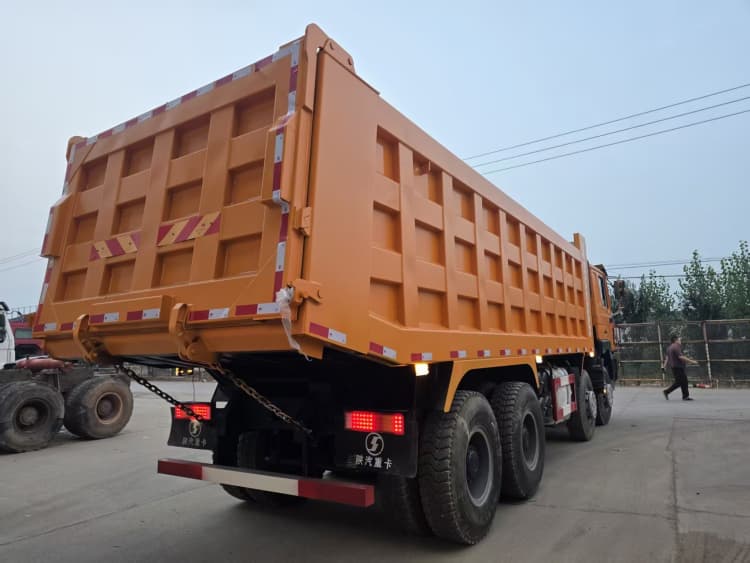
REMAN ROAD standard reman truck’s digital traceability file records every overhaul action, test result and component swap. Service teams can review the full repair trail instantly, understand what work has already been completed and make accurate first-time fixes. This cuts costly rework that bloats workshop backlogs.
Standardised fault library speeds training and reduces technician skill gaps
Fleets with a jumble of irregular rebuilt trucks rely heavily on senior technicians with years of niche experience. Junior staff struggle with unique, one-off problems. The REMAN ROAD standard reman truck creates a shared fault library and repair procedure set.
All technicians follow identical troubleshooting guides for the same assemblies. Knowledge transfer becomes simpler, the team’s overall capacity is more balanced, and the workshop is less vulnerable if senior technicians are unavailable during a crisis.
Closing
Standard reman trucks do not merely reduce repair work volume. They restructure the rhythm of fleet maintenance. By removing variable modifications, hidden residual defects and unknown component combinations, REMAN ROAD standard reman truck turns emergency-driven, chaotic workshop operations into a stable, schedulable service system. For fleet maintenance managers, this means controlled labour costs, shorter turnaround times and far less disruption to on-site haulage schedules.