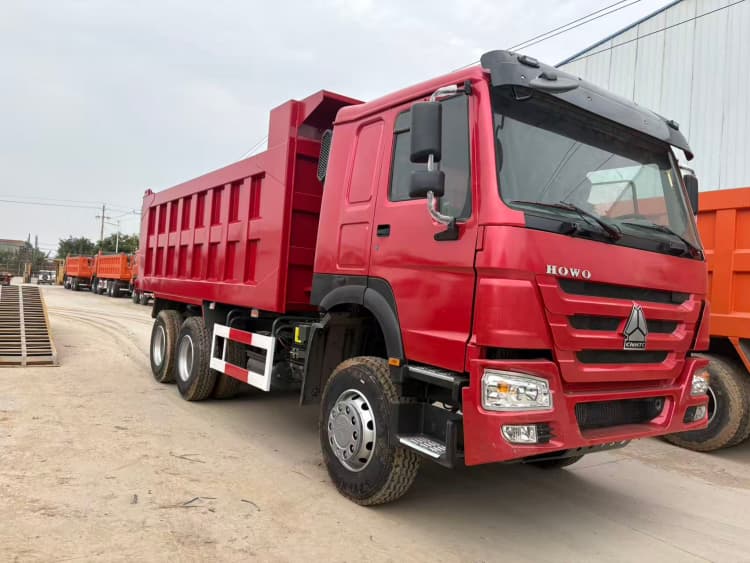
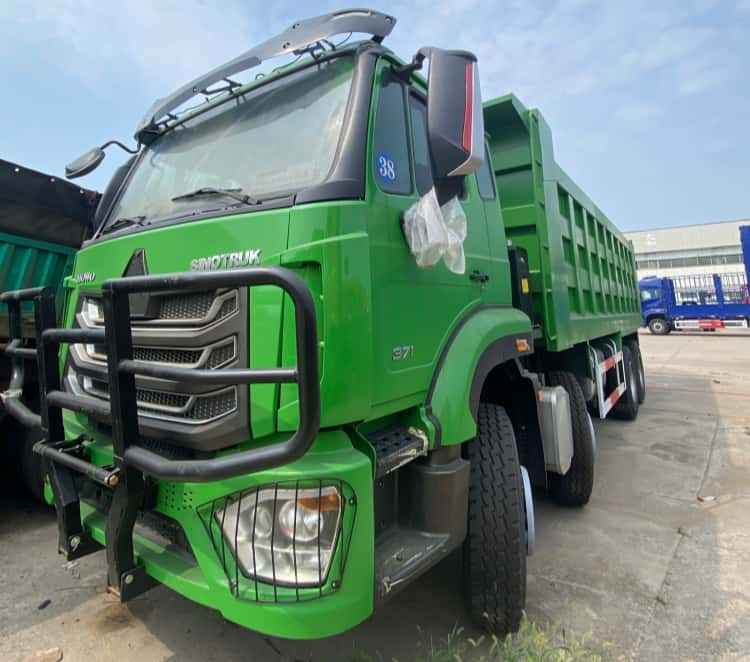
Fleet Scale Procurement: How to Ensure Consistent Vehicle Quality?
Intro
Procuring a small number of reman trucks is easier to monitor; inspectors can review each unit individually. When scaling up to fleet-size orders — 20, 50 or more units — consistency becomes the biggest challenge. Without robust controls, minor variations in technician practice, component sourcing and inspection rigour compound. The result is a mixed fleet: some units perform well, while others carry hidden defects and trigger uneven downtime.
REMAN ROAD’s standardised truck reman system is built for batch-scale delivery. It standardises the entire standardised truck reman workflow from core intake to final validation, with oversight mechanisms that prevent quality drift even across large production runs. This article explains how to guarantee consistent vehicle quality during fleet scale procurement.
Freeze the duty-class specification before production starts
Consistency begins with a fixed, non-negotiable specification document. Before the workshop starts work on the batch, the buyer and supplier sign off on the target duty class, payload envelope, rebuild scope, NDT inspection zones, machining tolerances, required test thresholds and approved bill of materials.
No ad-hoc substitutions or scope downgrades are permitted during production. Any change requires formal variation approval and documentation, so all units are built against the same engineering baseline.
Implement uniform core acceptance and rejection gates
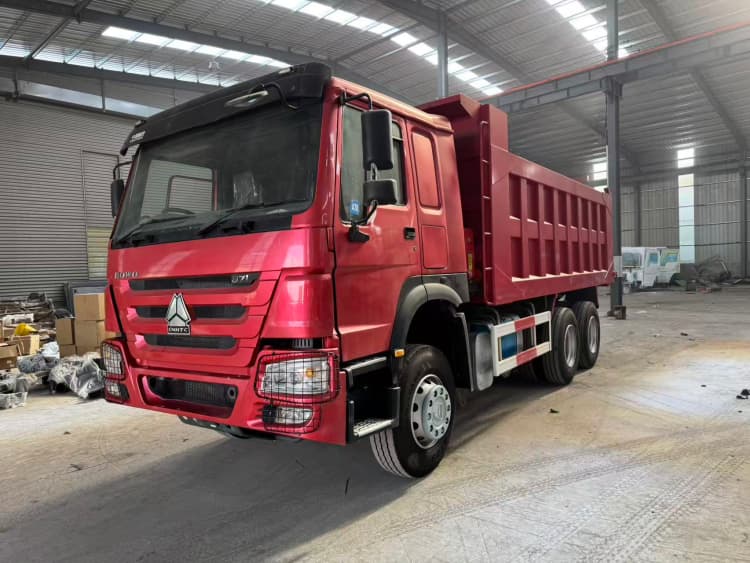
Variability often starts at core selection. If inspectors apply different standards frame by frame, the whole batch will be inconsistent. REMAN ROAD uses standardised grading criteria for all structural and powertrain cores: pass for reuse after machining, conditional reuse with controlled repair, or mandatory scrap.
Rejection thresholds are objective, not left to individual technician judgement. For bulk orders, core intake pools are screened against the same checklist, removing the risk of mixing lightly inspected cores into the production flow.
Standardised work instructions and qualified labour controls
Differences in technician skill and habit create quality scatter. All rebuild steps follow controlled work instructions (WIs), including weld procedure specifications, torque sequences, fluid calibration and assembly clearance settings.
Only certified technicians assigned to the reman programme carry out structural and powertrain work. Training is aligned to the REMAN ROAD standard, so every team member executes the same task using identical methods.
Batch sampling and independent audit gates
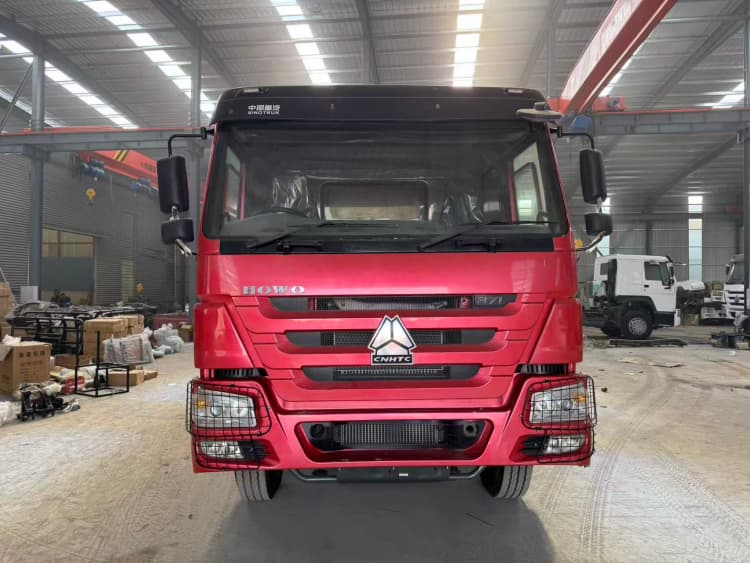
Full 100% inspection is valuable, but sampling audits catch systemic drift. For large fleet orders, pre-defined sampling rules trigger third-party audit: random units pulled from the batch for recheck of NDT records, dimensional measurements and load testing.
If a sample fails the audit gate, the batch is paused, root cause is investigated, and corrective actions are applied before production resumes. This stops a flawed process from replicating across dozens of trucks.
Identical end-of-line test suite for every reman truck
No unit skips validation. Every truck in the batch completes the same mandatory standardised truck reman test sequence:
- Dynamometer powertrain load test
- Cooling system stability check
- Brake and steering functional validation
- Full-load road simulation matching the target duty cycle
Test pass/fail thresholds are fixed. Test results are logged individually per VIN, not reported as a generic batch summary. This standardised truck reman test ensures performance uniformity; power output, temperature behaviour and braking response stay within tight bands across the whole fleet.
Centralised traceability database for batch-level visibility
Each VIN’s traceability file is stored in a unified system, linked to the batch ID. Procurement and quality teams can filter records across the whole fleet to compare: rejection rates, component replacement frequency, test variance and NDT findings.
If one assembly type shows rising failure rates, the engineering team can adjust core screening or component sourcing before the rest of the batch is completed. Traceability turns isolated unit data into fleet-wide quality intelligence.
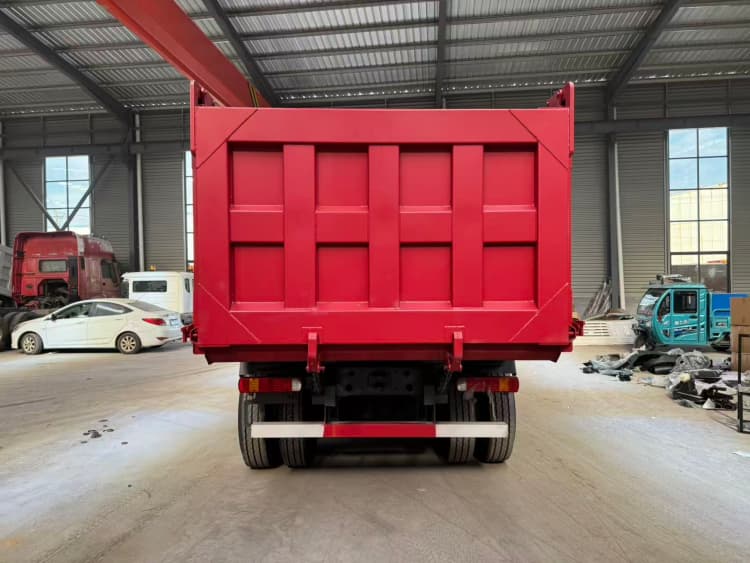
Controlled component sourcing and batch traceability of spare parts
Mixed, unvetted aftermarket parts are a major source of inconsistency. REMAN ROAD standardised truck reman uses pre-approved component suppliers for each duty-class spec.
Replacement parts are ordered in matched batches, with supplier batch numbers recorded alongside the VIN. This avoids the risk of substituting cheaper, untested parts mid-production, which would create uneven reliability across the fleet.
Pre-delivery joint inspection before shipment
Before dispatch, the buyer’s quality representative can carry out a joint pre-delivery inspection (PDI) on selected units. PDI cross-checks physical condition against the traceability file, verifying that recorded work matches the finished truck. Non-conformities are logged and rectified before containerisation. This is the final checkpoint to ensure the delivered fleet matches the agreed quality baseline.
Important guardrail
Standardised processes do not eliminate natural variation. Even with tight controls, individual core condition differs. The REMAN ROAD standardised truck reman system does not force poor cores into service to meet batch quotas; non-compliant cores are rejected and replaced with qualifying cores, which preserves the overall quality consistency of the fleet.
Final Takeaway
Consistency in large fleet procurement is not achieved by inspecting every truck after build, but by locking standards into every stage of production. For procurement and quality managers, the key takeaway is simple: REMAN ROAD’s fixed specs, objective core gates, unified testing, third-party sampling and batch traceability controls prevent quality drift, ensuring every vehicle in a large fleet order meets the same safety and performance baseline.