
Common Scams in Cross-Border Heavy Equipment Trading
Intro
Cross-border heavy equipment trades carry inherent distance risk. Buyers based in Africa cannot easily inspect stock before shipment, verify workshop processes, or validate paperwork in person. Bad actors exploit this information gap with structured scams that look legitimate at first glance. Many frauds hide behind the loose definition of “reman”, “overhauled” or “refurbished”, mixing cosmetic touch-ups with falsified documents.
REMAN ROAD’s verified truck reman workflow — full teardown, three-bucket component grading, NDT fatigue inspection, dynamometer calibration, full-load road testing and independent third-party audit — locks verifiable evidence to each VIN, so buyers do not rely purely on seller photos and promises. This article outlines the most common scams in cross-border heavy equipment trading.
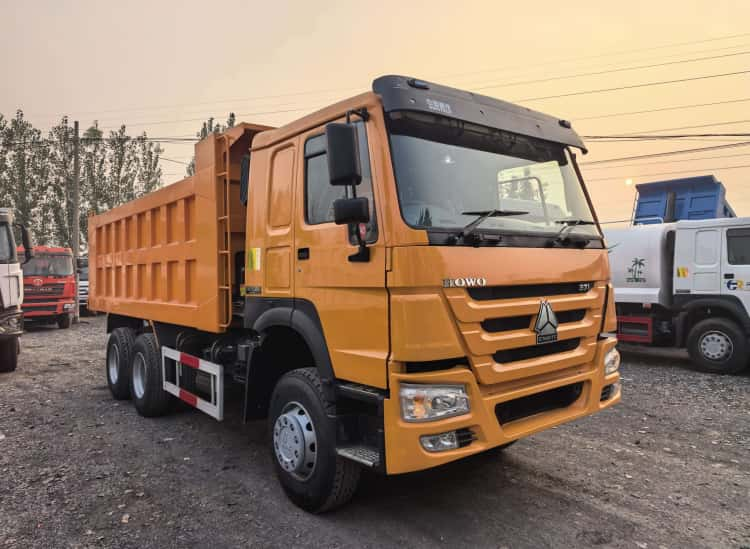
Bait-and-switch: photos and videos show one unit, shipped stock is another
This is the most widespread scam. Remanufacturers share high-quality photos, test videos and serial numbers of a well-rebuilt truck as the sample. Once payment is received, they ship a lower-grade, high-mileage, accident-damaged or poorly patched unit. When the container arrives at port, the buyer discovers the mismatch. Long shipping cycles, demurrage fees and weak cross-border dispute channels make recovery difficult. Sellers often claim units were “substituted due to stock shortage” as an excuse.
Falsified inspection, NDT and test certificates
Scammers generate fake inspection reports, fake NDT certificates and dynamometer printouts. They may copy formatting from legitimate remanufacturers and forge auditor signatures. On paper, the truck appears fully certified. In reality, no fatigue testing was completed, critical cracks remain undetected, and powertrain performance was never validated. These fake documents are enough to pass a quick pre-shipment check but fail rigorous mine-site audits.
VIN tampering and title fraud
Fraudsters alter, grind or re-stamp VIN plates. They match a clean VIN history to a salvage truck, stolen chassis or write-off unit. The truck may pass initial customs clearance, but later fail local vehicle registration or police verification. In serious cases, the asset can be seized, and the buyer loses both the truck and import investment.
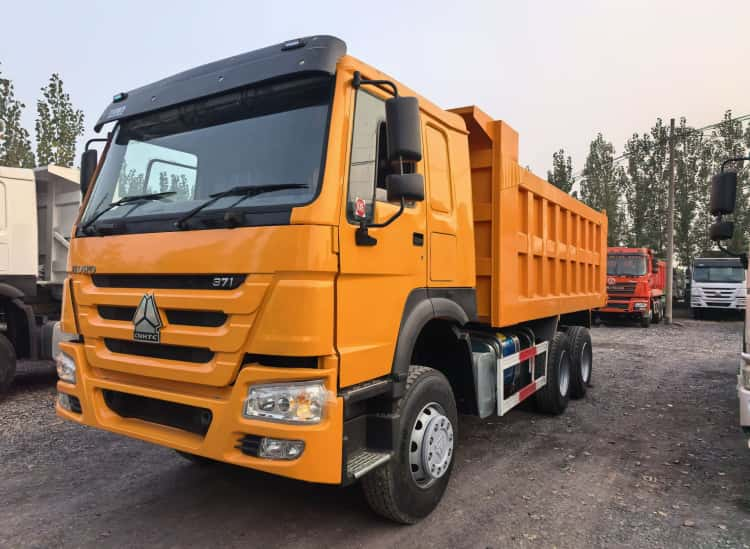
Cosmetic-only refurbishment marketed as remanufacturing
Remanufacturers repaint chassis, clean engines, replace seat covers and fix lights, then label the truck as “remanufactured”. No frame NDT, no full teardown, no component replacement for hidden worn parts. The truck looks impressive on arrival, but latent fatigue and worn internals trigger major breakdowns shortly after entering site operation. This scam thrives on the ambiguous definition of reman we covered earlier.
Hidden cost and freight scams
Remanufacturers quote a low all-in price to win the order, then omit critical charges: customs duty, port handling, container demurrage, inspection fees, local clearing agent fees and inland transport. After the deposit is paid, they introduce unexpected surcharges or demand additional funds before releasing shipping documents. The buyer is trapped: refusing to pay means losing the deposit and the cargo.
Partial or staged advance payment fraud
In the purest form of this scam, the remanufacturers collects a large deposit or full payment and never ships any equipment. More sophisticated variants ship empty containers, scrap parts or unrelated junk. Buyers in many African jurisdictions face high barriers to cross-border legal action, and funds are nearly impossible to recover.
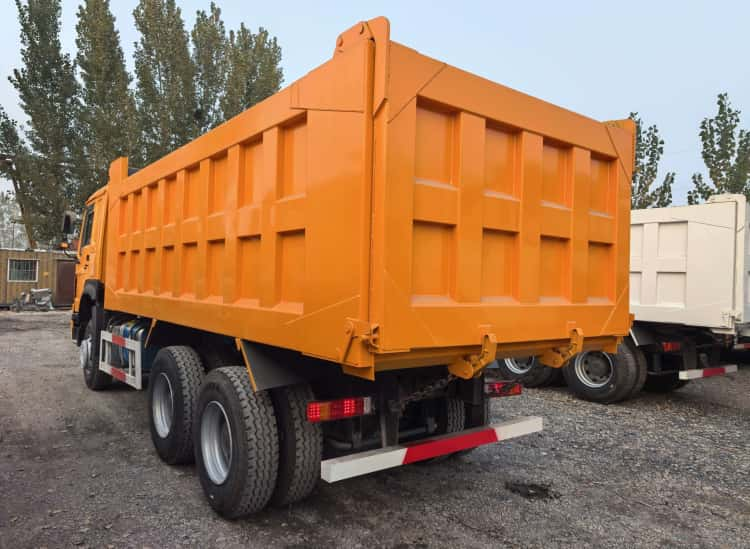
Rolling chassis swap scams
A remanufacturers ships a truck with a good cab and exterior, but swaps the original engine, axle or transmission with high-wear second-hand cores before loading. The VIN still matches the advertised chassis, so basic checks do not catch the swap. The traceability chain for critical powertrain parts is broken, and the buyer inherits an asset with unknown component history.
Misclassification for customs evasion
Sellers mislabel the truck as “new”, “used spare parts” or “low-value machinery” to reduce import tax or bypass local restrictions on used heavy vehicles. When customs inspectors uncover the misclassification, the cargo is detained, fines are issued, and the buyer becomes legally responsible for the declaration error.
Important guardrail
Third-party traceability and audit records are not fraud-proof by themselves. Buyers must verify that the audit provider is independent, that test records are linked uniquely to the VIN, and that pre-shipment physical inspection is arranged by their own trusted agent. REMAN ROAD’s verified truck reman traceability system provides the evidence baseline, but buyers still need to follow disciplined procurement workflows.
Final Takeaway
Nearly all cross-border heavy equipment trading scams exploit distance and lack of independent, verifiable asset history. For international fleet procurement managers, the key takeaway is simple: REMAN ROAD verified truck reman’s VIN-bound, independently audited reman records create a tamper-resistant proof trail, helping buyers verify that the truck shipped matches the specification they agreed to, and avoid the costly fraud common in unregulated cross-border heavy equipment trades.