
The Risk of Inconsistent Quality in Bulk Fleet Procurement
Intro
When haul contractors and mining operators place bulk orders for multiple heavy trucks, they expect a homogeneous fleet: same performance baseline, same reliability profile and aligned service expectations. Bulk fleet procurement is designed to simplify training, stock parts, standardise maintenance and lock in a stable ton-per-kilometre cost model.
However, buying batches of used trucks or low-end refurbished units almost always brings inconsistent quality. One unit may run reliably for thousands of operating hours, while another from the same shipment suffers early driveline or structural failure.
REMAN ROAD’s standardized truck reman system is built to eliminate this batch variability. Every truck follows identical workflow: full teardown, three-bucket component grading, NDT fatigue inspection, dynamometer calibration, full-load road validation and independent audit, with all data tied to the VIN traceability system. This article explains the risks created by inconsistent quality in bulk fleet procurement.
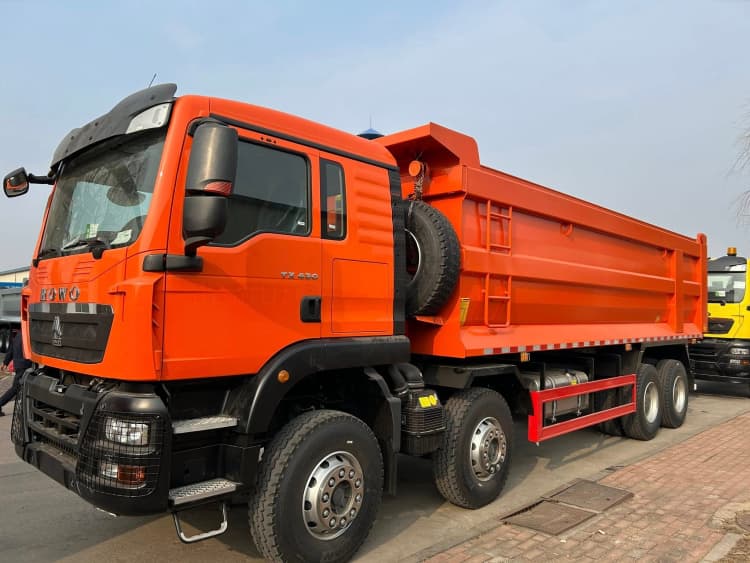
Uneven uptime breaks site haul scheduling
Bulk fleet procurement is often for a single site or a set of linked haul routes. Operations planners build production schedules assuming every truck delivers similar availability. Inconsistent quality means random, uneven breakdowns. Some trucks stay in service, while others drop out unexpectedly. Dispatch plans fall apart, loading queues become unstable, and the site misses aggregate or ore delivery targets. Even a small number of low-quality units can undermine the productivity of the whole fleet.
KPI benchmarking becomes unreliable and misleading
Fleet managers rely on bulk assets to establish baseline metrics: average fuel consumption, MTBF, maintenance cost per hour. When quality varies widely between units, performance averages hide wide outliers. A few poorly rebuilt trucks push up average fuel spend and repair costs, while better units are dragged into the same statistical bucket. Operators cannot tell whether poor performance comes from site conditions, driver behaviour or intrinsic equipment defects, making data-driven improvement impossible.
Maintenance and spare parts inventory planning fail
Bulk fleet procurement usually triggers a one-time stocking plan for filters, seals, wear components and driveline spares. If quality and component specifications differ across the batch, some trucks need frequent replacement of one part, while others require different aftermarket or OEM components. Inventory forecasting breaks down. Stock either piles up unused or critical spares run out, slowing repairs and extending downtime.
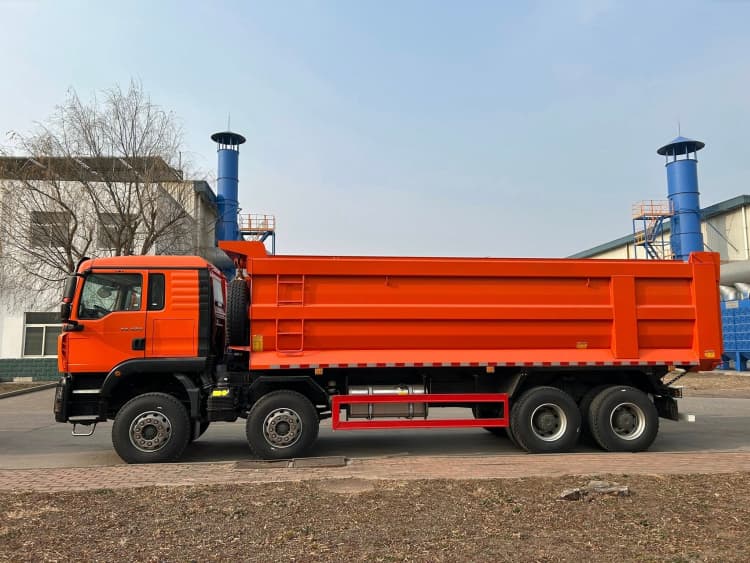
Uniform contract pricing becomes financially exposed
Many bulk fleet procurement orders support multi-year fixed-price haul tenders. The tender price is calculated on an assumed average TCO and uptime rate. When quality is inconsistent, the fleet carries hidden high-risk units that generate heavy repair and downtime penalties. The average cost model was built on an optimistic assumption, and a small subset of bad assets can erase the margin for the entire contract.
Safety and compliance audits become harder to pass
Bulk fleets often go through group site safety and ESG audits. Auditors expect consistent equipment standards and complete documentation. If the batch mixes units with different rebuild standards, some will lack valid NDT reports or test certificates. The whole fleet may face extra scrutiny, selective site bans or contract restrictions, even if most trucks perform well.
Resale and asset rotation strategy becomes fragmented
At the end of a project cycle, operators plan to reallocate, lease or resell the whole batch together. Inconsistent quality creates a tiered asset pool. Some units hold strong residual value, while others carry steep risk discounts. Buyers will not accept the batch as a uniform package, forcing the fleet to sell them separately at a lower overall return and complicating exit planning.
Internal team trust and operational discipline erode
Technicians and dispatchers learn quickly which trucks are “problem children”. Crews avoid assigning high-priority loads to unreliable units, creating informal, unwritten rules that undermine the formal fleet plan. This creates operational bias, extra management workload and disputes between operations and procurement teams, who may disagree on whether the quality gap was foreseeable.
Important guardrail
REMAN ROAD’s standardized truck reman process controls batch-to-batch mechanical variance, but it cannot guarantee identical real-world performance if dispatchers assign units to mismatched duty classes or skip scheduled maintenance. Uniform quality at certification is only the foundation; consistent operational discipline keeps the fleet aligned.
Final Takeaway
The biggest value of bulk procurement is uniformity, and inconsistent quality destroys that core advantage. For procurement and fleet leaders, the key takeaway is simple: REMAN ROAD’s repeatable, auditable standardized truck reman system remove batch quality drift, delivering a homogeneous fleet that supports stable scheduling, reliable KPI tracking, predictable TCO and lower commercial risk in large-volume orders.