
What a Formal Remanufacture Certification Report Should Include?
Introduction
A formal remanufacture certification report is not a simple one-page certificate stamp. It is the auditable proof that a heavy truck was built following standard remanufacturing workflow, rather than basic overhaul or cosmetic refurbishment.
Fleet buyers rely on this document to validate asset quality, support customs clearance, ESG accounting and warranty claims. Without complete content, the certificate is just a marketing paper with no legal or technical value. This article lists all core sections that must be contained in a qualified formal remanufacture certification report.
Core Asset Identity & Traceability Information
This section links the report uniquely to the specific reman truck, preventing certificate reuse for other vehicles.
- Full VIN of the heavy-duty reman truck
- Original core vehicle identification / core serial number
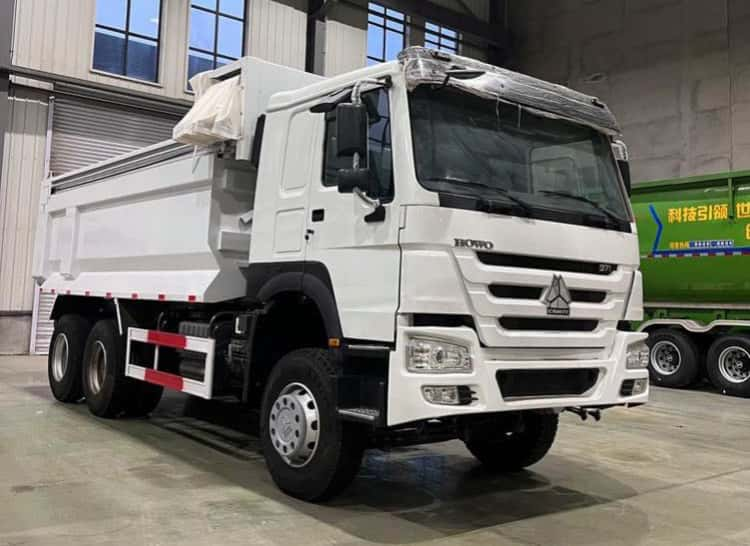
- Asset model: truck brand, model, engine model, axle specification
- Production batch, remanufacture completion date, factory name and location
- Unique report ID number, digital stamp or QR code for traceability lookup
Critical rule: Report data must match the VIN plate on the finished reman truck.
Core Pre-Screening Inspection Records
Evidence showing the original used core was eligible to enter the standard remanufacturing workflow.
- Visual and dimensional inspection results of chassis frame, cab, engine block and axle housing
- Ultrasonic thickness measurement data for frame beams and cast housings
- Usage history review: accident, fire, overload or corrosion assessment
- Pass/fail result of core eligibility screening
NDT Non-Destructive Testing Records
Mandatory structural inspection evidence for safety-critical load-bearing components.
- List of tested parts: frame, weld joints, crankshaft, cylinder block, axle housing, steering knuckle, suspension brackets
- Testing methods: UT / MT / PT / ECT as applied
- Raw test readings, defect size and depth measurement
- Pass/fail judgment and inspector signature
- Calibration certificate reference for NDT testing equipment
- Post-repair / post-weld re-inspection results
Component Disassembly, Grading & Replacement Log
Detailed record of how parts were handled during standard remanufacturing workflow.
- Full disassembly confirmation
- Part grading classification: reusable, repairable, replaced, scrapped
- List of all fatigue-limited consumables replaced: bearings, seals, gaskets, hoses, piston rings, filters
- Material certificates for new replacement components (OEM or OEM-equivalent standard)
- Scrap log for discarded unrepairable components

Assembly & Bench Test Performance Data
Quantified performance benchmark test results against OEM new specification.
- Engine dynamometer test curve: rated power, torque, cylinder compression balance, oil consumption, exhaust smoke value, within defined tolerance (±3~5% typical)
- Axle bench test: backlash, noise, temperature and leakage check
- Hydraulic system pressure holding test (for tipper/mixer trucks)
- Brake assembly bench test results
Full-Vehicle Road Test Report
Loaded road validation after assembly.
- Test condition: payload, route, duration
- Inspection items: starting performance, overheating check, vibration, steering response, braking performance, fluid leakage, ECU fault code scan
- Final road test pass/fail conclusion and test driver signature
Adaptation Upgrade Records (If Customised for Harsh Markets like Africa)
If tropicalisation or off-road upgrades are included in the reman order:
- List of all adaptation modifications: desert air pre-cleaner, oversized radiator, reinforced frame plates, heavy-duty leaf springs, water separator etc.
- Inspection records of modified assemblies
- Confirmation that upgrades are integrated into formal remanufacture workflow, not aftermarket add-ons
Compliance & Standard Reference
Declare which formal remanufacture standard this asset follows.
- Reference standard: ISO 10987-2 or equivalent industrial reman specification
- Confirmation: this unit is classified as remanufactured, not overhaul or refurbished
- Emission and safety compliance statement matching destination market requirements
Warranty Statement
Clear formal remanufacture warranty terms embedded in certification report.
- Warranty coverage period (working hours / calendar time)
- Covered defects: only defects originating from remanufacturing process
- Exclusion list: damage from overload, improper operation, poor maintenance, accident
- Warranty claim procedure and responsible party contact
Sign-off & Authorisation
- Qualified remanufacturer quality manager signature
- Independent third-party auditor signature (if third-party certified)
- Issue date of certification report
Common Deficiencies: What Fake Reman Certificates Usually Lack?
- Only a simple certificate with VIN and factory stamp, no raw test data
- No NDT test records or only generic template text without measured values
- No dynamometer curve, only a simple “pass” mark
- No component replacement log, cannot verify fatigue parts were replaced
- No unique report ID, same document reused for multiple trucks
Buyer Verification Checklist
- VIN on report matches vehicle VIN plate
- NDT reports for frame, crankshaft and axle housing included
- Engine dynamometer curve with quantified power & torque data
- Component replacement log for seals, bearings and fatigue parts
- Standard reference (ISO 10987 or equivalent) stated
- Clear formal remanufacture warranty terms written, not verbal promise
- Inspector signatures and equipment calibration references present
Conclusion
A formal remanufacture certification report combines asset identity, core screening, NDT records, bench and road test data, component replacement logs, compliance declaration and warranty terms.
It is a complete traceable technical dossier rather than a simple certificate. Fleet buyers must require the full report during PSI inspection and delivery, to avoid accepting low-grade refurbished vehicles with empty certification documents.
One Comment