
Mid-Term Project Fleet Procurement: New vs Remanufactured Truck Trade-offs
Introduction
For heavy truck fleets operating on 2–5 year project cycles, choosing between a brand-new OEM truck and a certified remanufactured trucks is one of the highest-impact procurement decisions. New trucks carry the highest confidence but lock in massive upfront capital and steep early depreciation. Certified remanufactured trucks deliver near-new performance at a fraction of the price, yet carry residual risk perception.
Many fleet owners default to new trucks out of habit, or default to cheap used units out of budget pressure — both choices leave money on the table. The correct decision depends on quantifying trade-offs across capital expenditure, depreciation, warranty coverage, downtime exposure, maintenance cost and exit value at project completion. This article breaks down the trade-offs for mid-term project fleets and provides a structured decision framework.
Defining the Mid-Term Project Window
Why 2–5 years is the sweet spot for the new vs reman decision? Mid-term projects — typically 2 to 5 years — cover large infrastructure builds, open-pit mining contracts, regional material haulage and cross-border logistics concessions. This window is distinctive because:
- Project duration is long enough that fleet reliability directly affects profitability, but short enough that buying new trucks wastes capital on years of depreciation the fleet will never recover.
- Site conditions are known and fixed, allowing precise matching of truck specification to duty cycle.
- A clear exit point exists: assets must either be redeployed, resold or returned — there is no permanent fleet to absorb residual value uncertainty.
- Unlike short-term jobs (0–2 years), where any running truck might suffice, mid-term projects demand sustained reliability over thousands of operating hours.
- Unlike long-term fleets (5+ years), where new trucks’ full warranty and lifecycle advantage dominate, mid-term projects expose the largest gap between new truck cost and certified remanufactured trucks value.
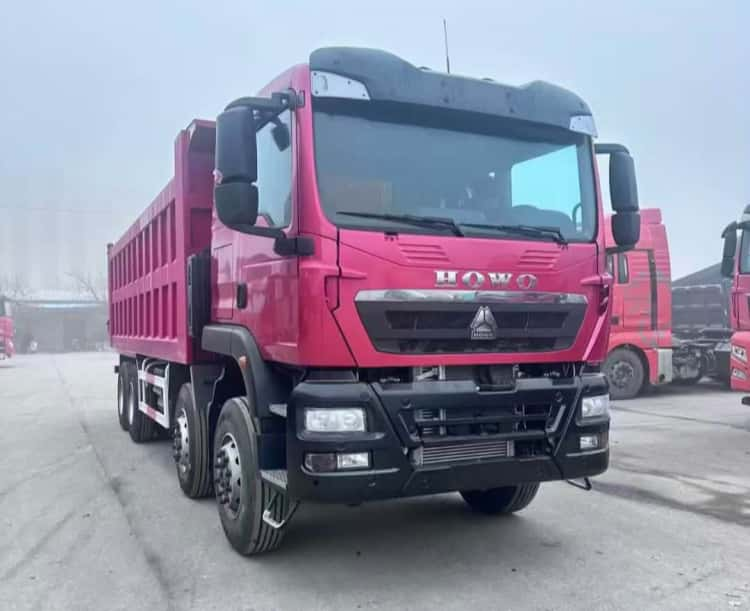
Upfront Capital Expenditure Comparison
The most visible difference — and the one most often over-weighted:
- New truck landed cost: Base price plus import duties, shipping, dealer markup and delivery. For a heavy-duty mining or construction tractor, this often represents the single largest line item in a project budget.
- Certified certified remanufactured trucks landed cost: Typically 50–60% below new truck pricing for comparable models, because the core frame and major castings are reused rather than newly manufactured.
- Working capital impact: A fleet of 10 trucks that saves 40% on per-unit cost frees substantial capital for project mobilization, spare parts inventory or contingency reserves.
- But the CAPEX difference is not the full story. New truck buyers also face tax incentives, OEM fleet discount programs and financing structures that narrow the gap.
- Pitfall: Focusing solely on upfront price leads fleets to buy cheap refurbishment instead of certified remanufactured trucks — a completely different quality tier.
Depreciation and Residual Value at Project Exit
Where the new vs reman gap widens or narrows:
- New truck depreciation curve: Heavy new trucks lose 20–35% of their value in the first year, with steep depreciation continuing through year three. A truck bought new for a 3-year project depreciates heavily during the period the fleet owns it.
- Certified remanufactured trucks depreciation: Remanufactured truck have already absorbed the steep early-depreciation segment. Their value curve is flatter — they enter the project closer to the bottom of the depreciation curve and exit with more predictable residual value.
- New truck at project end: Can be resold with remaining OEM warranty, but the fleet has already paid for the worst depreciation years.
- Remanufactured truck at project end: Sold as a used heavy truck with reman history documentation. Residual value is lower than a well-maintained new truck, but the fleet also paid less to begin with.
- Net effect: For a 2–3 year project, reman typically wins on net depreciation cost. For a 4–5 year project, the gap narrows as the new truck’s depreciation curve flattens.
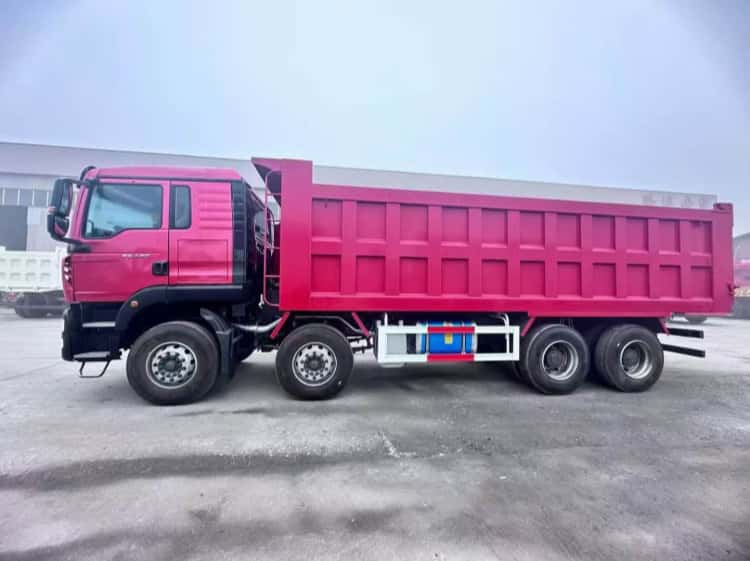
Reliability and Downtime Risk
The real cost difference hides in unplanned stoppages:
- New truck reliability: Fresh components, full OEM warranty, zero accumulated fatigue. Lowest expected failure rate during years one through three.
- Certified reman reliability: Full disassembly, NDT inspection, component grading and mandatory renewal of wear items should deliver reliability comparable to new. But this depends entirely on whether the supplier truly executes remanufacturing — not cosmetic refurbishment.
- The hidden risk: A fake reman (overhauled or cosmetically refurbished truck sold as reman) carries the highest downtime risk. Hidden frame fatigue or undetected powertrain wear causes catastrophic mid-project failure.
- Downtime economics: In mining and construction, one day of truck downtime can cost thousands in delayed haulage and idle equipment. The cheaper truck that fails twice in a project quickly becomes the most expensive option.
- Risk mitigation: Certified remanufactured trucks with VIN-bound traceability, third-party audit and pre-shipment inspection closes the reliability gap to acceptable levels for mid-term projects.
Warranty Coverage Comparison
What each option guarantees — and what it excludes?
- New truck warranty: OEM factory warranty covers powertrain, chassis and electrical systems, typically 1–3 years with extensions available. Dealer service network provides fast parts and labor.
- Certified reman warranty: Typically 6–24 months covering remanufactured assemblies. Coverage duration and scope vary by supplier. Warranty claims depend on the reman factory’s after-sales infrastructure.
- Warranty interaction with project cycle: Fleet owners should negotiate warranty duration to cover the full project window, plus a buffer. Reman suppliers can offer extended warranties at additional cost.
- Network consideration: Remote mine sites may lack new-truck dealer support, making reman supplier’s local service capability more important than brand-name warranty.
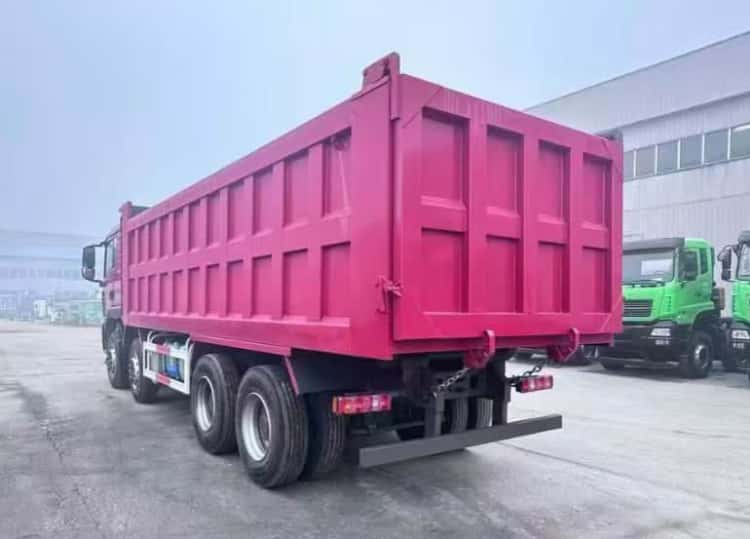
Maintenance and Operating Cost
Fuel, tires, consumables and scheduled service — where new and reman converge?
- Fuel consumption: Comparable between new and certified remanufactured trucks of the same model, assuming reman engine calibration is properly restored. Major discrepancy only occurs if reman engine tuning is poor.
- Wear items: Tires, brake linings, filters and lubricants are identical cost regardless of whether the truck is new or reman.
- Scheduled maintenance: New trucks follow OEM service intervals. Certified remanufactured trucks should follow similar intervals, though some fleets shorten service intervals as a precaution.
- Unplanned maintenance: This is the variable. Certified remanufactured trucks with proper QA should have minimal unplanned maintenance. Fake reman or poorly executed reman incurs high unplanned repair costs.
- Parts availability: Remanufactured truck based on popular models (Howo, Shacman, Sitrak) have strong global aftermarket parts support. New trucks may face longer wait times for proprietary OEM parts in remote regions.
Delivery Lead Time and Fleet Mobilization Speed
When project timeline forces the decision:
- New truck lead time: OEM order books for heavy trucks can stretch 3–9 months, especially for specialized configurations. Export-market delivery adds shipping and port time.
- Remanufactured truck lead time: Certified remanufactured truck are often available from existing inventory or require 4–8 weeks of production. This flexibility matters when projects are awarded and mobilization must begin immediately.
- Project penalty exposure: A delayed fleet cannot start hauling revenue-generating cargo. In time-sensitive infrastructure or mining contracts, every week of delay costs real money.
- Rapid scaling: For fleet expansion needs, reman procurement allows faster capacity ramp-up without waiting for OEM production slots.
- Lead time is often the deciding factor when new truck delivery would miss the project start window.
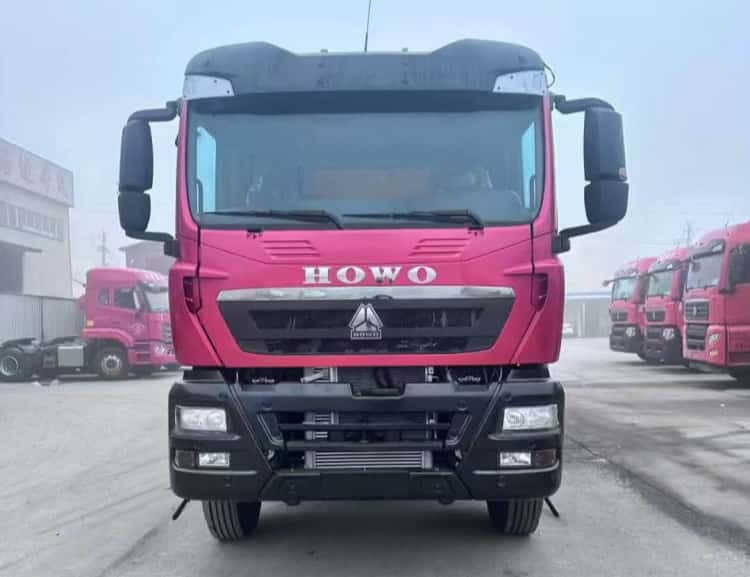
ESG and Tender Qualification
Requirements that increasingly tilt the balance toward reman:
- International tenders financed by multilateral institutions now evaluate carbon footprint and circular economy contribution. Certified remanufactured trucks delivers auditable embodied carbon savings.
- New trucks carry higher embodied carbon from manufacturing new steel, castings and assemblies.
- Green financing options may offer preferential rates for fleets deploying certified reman assets.
- However, if a tender explicitly requires new trucks or OEM warranty, reman is not eligible. This is a hard constraint, not a trade-off.
- For projects where ESG scoring matters, remanufactured truck can score points that new trucks cannot match.
Hybrid Fleet Strategy: The Often-Missed Middle Path
You don’t have to choose all-new or all-reman:
- Core haulage fleet: Deploy new trucks for the primary, highest-utilization vehicles where uptime is most critical.
- Backup and surge capacity: Use certified remanufactured trucks as standby units or for peak-demand periods, where slightly lower utilization justifies lower CAPEX.
- Phased replacement: Start the project with a mix, then rebalance after year one based on field performance data.
- Asset cascading: Trucks bought new for a 3-year project can cascade to shorter-cycle secondary projects at exit, while remanufactured truck handle the shorter-cycle work from the start.
- This approach hedges risk: if reman performance is excellent, expand reman proportion; if issues arise, new trucks form the reliable backbone.
Structured Decision Framework
A practical scoring model for mid-term project fleets: Evaluate each option on the following dimensions, weighted by project priorities:
- Capital budget constraint (25%): How much upfront CAPEX can the project absorb?
- Downtime tolerance (25%): What is the hourly cost of a non-running truck?
- Project duration (15%): Does it extend beyond typical reman warranty coverage?
- Delivery timeline (15%): Can new truck lead times meet project mobilization dates?
- Site parts and service availability (10%): Is local infrastructure better suited to new or reman support?
- ESG / tender requirements (10%): Do bid documents favor or exclude reman?
- Residual value expectation at exit (optional): What will the trucks be worth when the project ends?
Common Decision Pitfalls
Mistakes that turn a rational procurement choice into a costly regret:
- Buying new for a 2-year project: Paying for depreciation years the fleet will never use.
- Buying cheap refurbishment instead of certified reman: Chasing the lowest price and absorbing downtime risk that destroys the supposed savings.
- Ignoring warranty-to-project alignment: Reman warranty expires six months before project end, leaving critical repair exposure.
- Overlooking lead time: Assuming new trucks will arrive on schedule, then missing project start.
- One-size-fits-all decision: Treating all trucks in the fleet as identical, rather than matching asset grade to utilization level.
- Failing to audit reman suppliers quality: Trusting marketing claims instead of verifying NDT records, traceability dossiers and third-party certification.
Conclusion
For mid-term project fleets (2–5 years), the new vs remanufactured truck decision hinges on quantifying six trade-offs: upfront CAPEX, depreciation curve, downtime exposure, warranty coverage, delivery speed and exit residual value.
New trucks win on reliability confidence and full OEM support, but lock in steep depreciation and long lead times. Certified remanufactured trucks win on capital efficiency, faster delivery, flatter depreciation and ESG qualification — provided the supplier genuinely executes industrial remanufacturing with verifiable traceability.
The optimal strategy for most mid-term fleets is not an all-or-nothing choice, but a hybrid: new trucks for critical high-utilization haulage, certified reman for backup, surge and secondary routes. The worst decision is not choosing wrong between new and reman; it is choosing cheap refurbishment when you thought you were buying either.