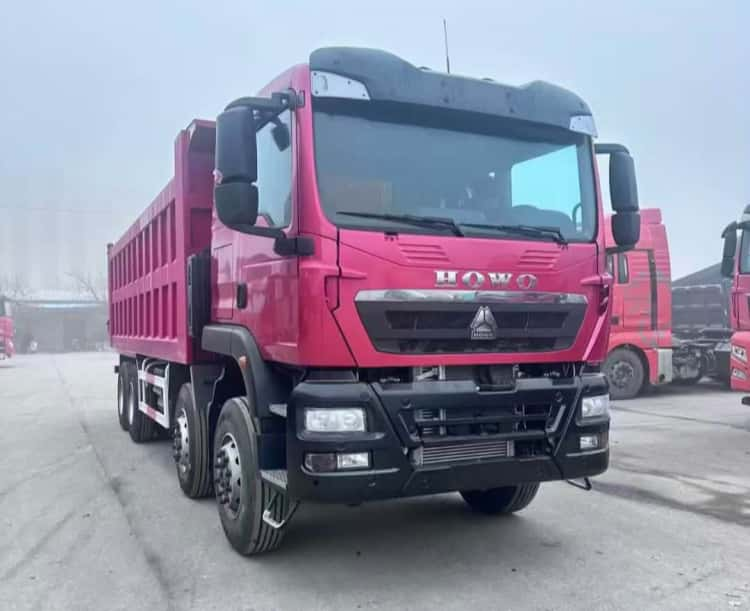
How to Build a Standardized Reman Heavy Vehicles Procurement System?
Introduction
Most fleet buyers purchase reman heavy vehicles on a case-by-case basis, using ad-hoc RFQs and informal supplier screening. This fragmented procurement method easily leads to inconsistent quality, misclassification of refurbished/overhaul assets as genuine reman, incomplete traceability documents and disputes over warranty.
A genuine reman heavy vehicles procurement system establishes repeatable, auditable workflows from supplier screening through asset retirement. It locks in unified technical benchmarks (such as REMAN ROAD), defines clear acceptance gates, separates authority for technical review and commercial negotiation, and builds closed-loop feedback from field operation back to procurement rules. This page outlines the full framework to build this procurement system for cross-border fleet organisations.
Establish Centralised Reman Definition & Technical Baseline Library
Unify terminology and mandatory technical rules before any sourcing activity: The foundation of the procurement system is fixed technical language and non-negotiable process requirements.
- Adopt a recognised reman standard framework (REMAN ROAD as reference), clearly define genuine reman, refurbishment and overhaul within internal procurement manuals.
- Build standardised technical specification templates for different duty grades: severe mining duty, medium construction duty, highway long-haul, plus special environment adaptations (highland, high temperature, coastal corrosion).
- Create mandatory process checklist: full disassembly, industrial cleaning, NDT for frame/crankshaft/axle housing, component grading, consumable renewal rules, bench testing, loaded road test and VIN-linked traceability dossier.
- Create prohibited item list: suppliers cannot skip NDT, reuse aged seals/hoses, or label partial assembly reman as full vehicle reman.
- Maintain version control of all specs; any revision must be communicated to all procurement, engineering and finance teams.
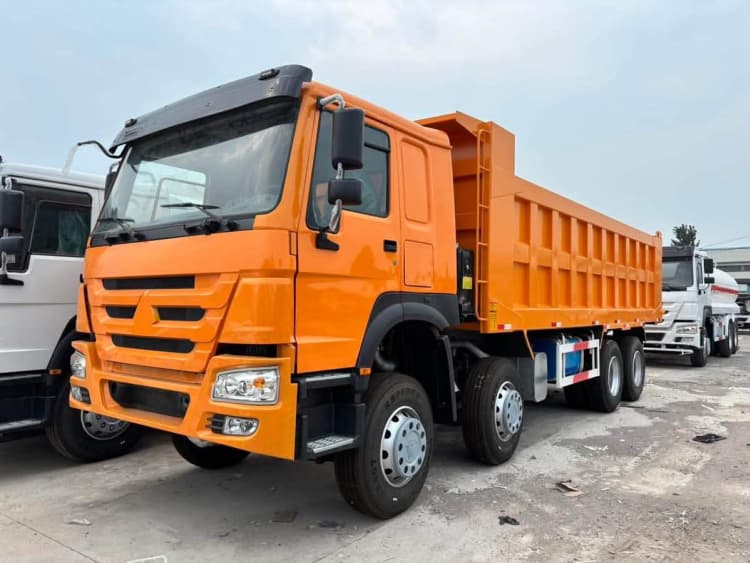
Remanufacturer Qualification & Continuous Supplier Performance Management
Tiered supplier qualification, periodic audits and performance scoring: Avoid one-off supplier selection; implement dynamic supplier lifecycle management.
- Pre-qualification entry gate: factory audit, review reman workflow SOP, quality control records, third-party certification, past fleet reference cases and document delivery capability.
- Tier classification of remanufacturer: Tier 1 (fully REMAN ROAD certified, full in-house testing & traceability), Tier 2 (partial certification, limited heavy-duty production), Tier 3 (non-certified, only for low-risk non-core fleet — restricted or excluded).
- Periodic re-audit: annual factory surveillance audit plus random unannounced spot checks, reviewing process execution and non-conformity CAPA records.
- KPI scoring system: quality pass rate, document completeness, on-time delivery, warranty claim frequency, responsiveness.
- Remanufacturer exit mechanism: remanufacturer with repeated misclassification, falsified test reports or high field failure rates are removed from approved vendor list.
Standardised RFQ & Tender Document Template System
Pre-built RFQ templates with embedded reman technical and commercial clauses: Custom-written RFQs for every project leave critical gaps and create room for supplier ambiguity.
- RFQ template preloads reman definition, duty classification, mandatory process gates and document delivery requirements.
- Fixed schedule of required deliverables: core screening report, NDT records, component replacement log, dynamometer/hydraulic bench test curves, road test report and reman certificate.
- Predefined commercial terms: warranty scope, exclusion list, spare parts supply commitment, pre-shipment inspection rights, liability for misclassification.
- Standard evaluation scoring matrix: technical compliance (weighted highest), document completeness, supplier audit score, commercial price, delivery lead time, after-sales support.
- Require suppliers to explicitly confirm compliance with all reman clauses; any deviation must be listed as an exception item for review.

Technical Review & Commercial Separation of Authority
Split technical qualification and price negotiation to prevent cost compromise on quality: A common failure mode is allowing commercial teams to accept quality concessions to hit budget targets.
- Two-stage evaluation: first technical review pass/fail; only technically compliant suppliers proceed to commercial price comparison.
- Independent technical panel: engineering / QA / fleet maintenance team reviews supplier technical submission, validates test data and duty specification matching.
- Commercial team handles pricing, payment terms, delivery schedule only after technical approval.
- Change control process: any request to relax reman standards must be formally approved by the technical panel, with documented risk assessment.
Pre-Shipment Inspection & Acceptance Gate Control
Independent third-party inspection before shipment to block non-compliant assets: Acceptance is not completed upon arrival at destination port; critical gate is factory pre-shipment inspection.
- Standard pre-shipment inspection (PSI) checklist aligned with REMAN ROAD requirements.
- Inspector verifies VIN matching, serial numbers of key assemblies, physical condition, test report consistency and completeness of traceability dossier.
- Sampling rule: for batch procurement, define sampling percentage; failed batch triggers expanded inspection or full hold.
- Non-conformity classification: critical, major, minor. Critical defects (missing NDT, falsified records) result in immediate shipment hold.
- Release rule: shipment can only be authorised once PSI report is approved and all non-conformities are closed.
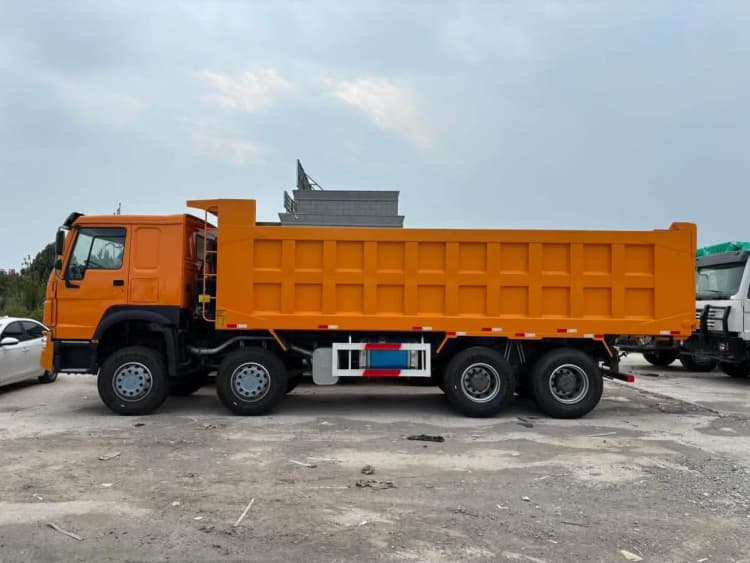
Standardised Contract & Liability Framework
Embed reman compliance clauses and remedy rules in sales contracts:
- Reference the adopted reman standard (REMAN ROAD) as the governing technical standard in the contract.
- Clear definition of misclassification penalty: if asset is proven refurbishment/overhaul instead of genuine reman heavy vehicles, define remedies including replacement, partial refund, downtime compensation.
- Document warranty obligations: coverage period, covered assemblies, claim submission process, response time and excluded operating abuses.
- Clause on retention of inspection rights: buyer or appointed third party can audit factory records during production.
- Data ownership: buyer has right to retain full traceability dossier for each reman heavy vehicles.
Inbound Receiving, Document Validation & Asset Registration
Cross-check documents and physical assets after arrival at destination:
- Receiving team cross-check shipment documents against the pre-shipment package.
- Verify consistency: VIN, engine serial number, axle serial numbers match traceability files.
- Register asset in fleet asset management system: tag duty grade, project assignment, warranty expiry date, full reman record archive link.
- Document archive policy: store all reman certificates and test records in cloud traceability system for audit, ESG reporting and future resale.
- Any document mismatch triggers non-conformity process and stops asset commissioning.
In-Service Monitoring & Closed-Loop Feedback Mechanism
Feed field failure and maintenance data back to procurement and supplier management: A complete procurement system does not end at vehicle handover.
- Track fleet KPIs: breakdown frequency, unplanned downtime, warranty claim rate, maintenance cost per asset.
- Root cause analysis for every major failure: distinguish between operational abuse, site overload or supplier process non-conformity.
- Update supplier KPI score based on field performance.
- Revise procurement technical templates if repeated systematic defects are found (e.g. hydraulic seal premature failure).
- Update duty specification guidance if certain working environments lead to higher-than-expected wear.
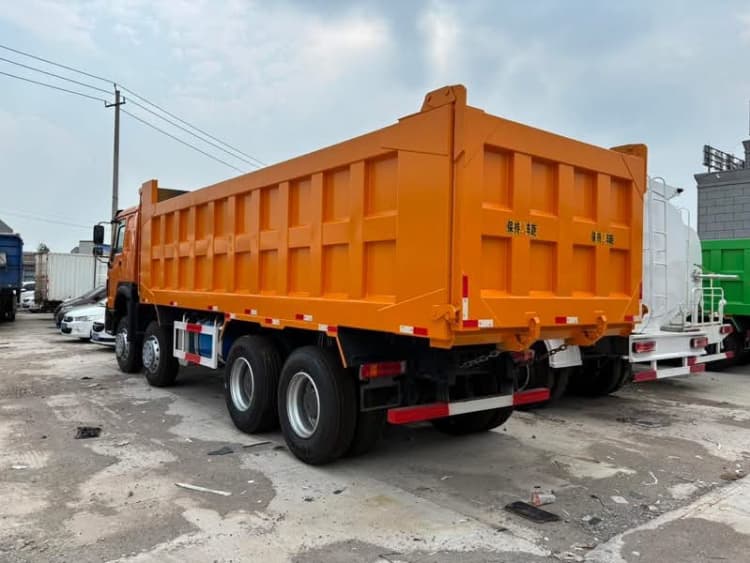
Asset Exit & Resale / Redeployment Rules
Standardised decommissioning and residual value management tied to project cycles:
- Predefine exit criteria before purchase, aligned with project cycle planning.
- Standard asset inspection protocol before resale or redeployment to another project.
- Transfer the full reman traceability dossier to new asset owner during resale.
- Record residual value data to improve future TCO modelling for reman procurement.
Common Pitfalls When Building Reman Procurement Systems
Typical mistakes that weaken the whole system:
- Merging technical and commercial evaluation: price wins over technical compliance.
- Using generic used-truck procurement templates without reman-specific process gates.
- Skipping pre-shipment third-party inspection and only inspect after arrival.
- No version control for technical specs; different buyers use conflicting reman definitions.
- Neglecting post-delivery feedback loop, so repeated supplier quality issues are not corrected.
- Vague contract wording with no clear liability for misclassification.
Conclusion
A standardized reman heavy vehicles procurement system is built in layers: unified reman technical baseline, tiered remanufacturer qualification, standard RFQ/contract templates, separated technical/commercial review, pre-shipment acceptance gates, document registration, in-service monitoring and asset exit management.
Using REMAN ROAD as the shared benchmark removes subjective negotiation over what qualifies as genuine reman. This system transforms reman procurement from ad-hoc purchasing into repeatable, auditable asset planning, cutting misclassification risk, stabilising fleet TCO and supporting cross-border tender and ESG audit requirements.