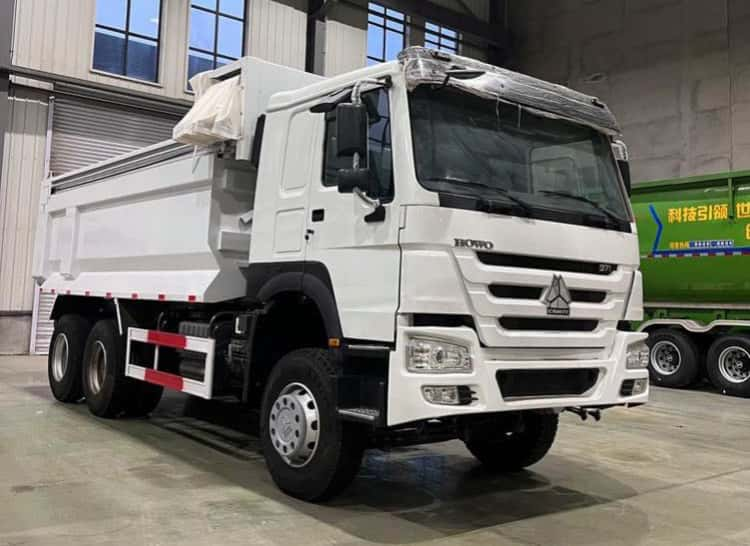
How Remanufactured Standards Adapt to Different Working Condition Requirements?
Introduction
One common misunderstanding of remanufactured standards is assuming a single fixed standard fits all operational scenarios. In reality, a heavy reman truk for open-pit mining cannot adopt the same component configuration and acceptance threshold as a long-distance highway freight tractor. Although the core baseline standard of standardized reman work must remain unchanged (full disassembly, NDT inspection, component grading, bench testing and traceability), the standard can implement scenario-based variable parameters.
By adjusting component grades, wear tolerances, testing load levels and protection specifications, heavy reman truk can be tailored to light, medium and severe duty cycles. This page explains how remanufactured standards separate mandatory baseline rules and scenario-adaptive variable rules, and how to match reman specifications to different fleet working environments.
Two-Tier Standard Framework: Non-Negotiable Baseline + Scenario Adaptive Parameters
Core reman rules stay universal; only duty-related indicators are adjusted: All genuine heavy reman truk must comply with the mandatory baseline remanufactured standards, regardless of working conditions. Adaptive adjustments are added on top of this baseline.
- Mandatory baseline (no concessions for any scenario): Full vehicle disassembly, NDT for high-stress structural parts, component grading and scrapping rules, assembly torque following OEM specs, basic bench test and VIN traceability archive. These define whether the asset qualifies as genuine reman.
- Adaptive variable layer (customised per working condition): Component upgrade options, tightened wear tolerance limits, overload testing duration, protective accessory configuration, maintenance interval calibration and warranty scope.
- Clear documentation requirement: The reman supplier must record the target duty classification in the reman certificate, so buyers know which operating scenario the truck is built for.
- Boundary warning: Adaptive adjustment cannot reduce baseline QA requirements. It is forbidden to cut core inspection steps and claim it is “light-duty adaptation”.
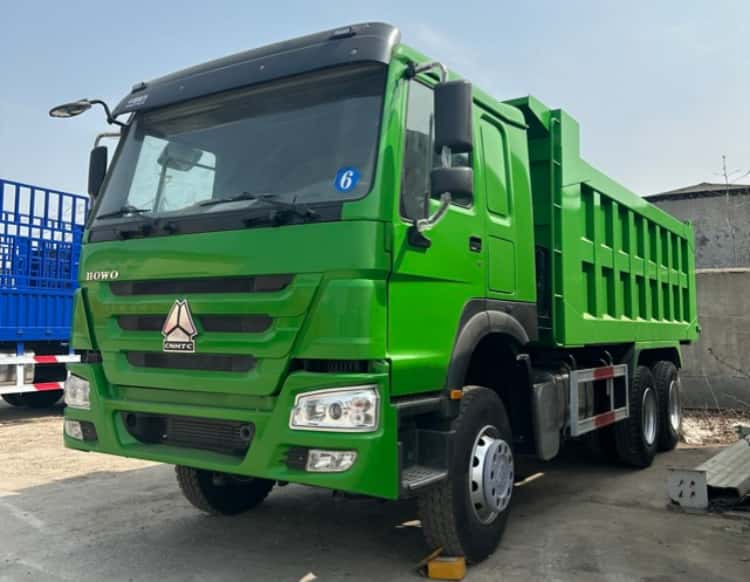
Adaptation for Severe-Duty Mining & Off-Road Construction Sites
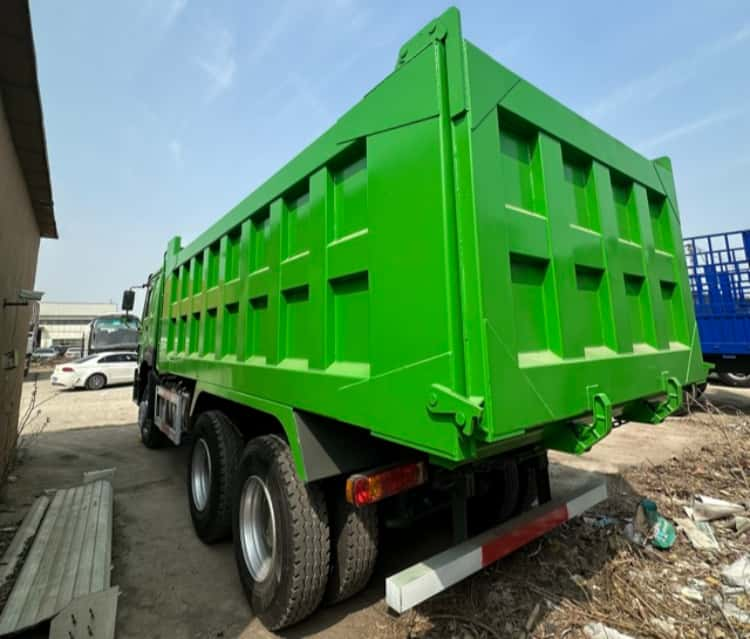
Strengthen structural, shock resistance and continuous heavy-load performance: Mining and rough construction roads feature frequent full load, impact vibration, steep slopes, dust and cyclic lifting for dump trucks.
- Chassis & frame: Tighten NDT acceptance criteria; frame minor repair limits are reduced. Reinforce welding inspection for cross members. Select higher-grade leaf springs and heavy-duty shock absorbers.
- Engine: Upgrade cooling system and air filtration; inspect crankshaft and connecting rod with stricter dimensional tolerance. Dynamometer test extends continuous full-load running duration.
- Axle & brake: Choose heavy-duty axle assemblies; replace all wheel bearings and brake friction materials. Increase brake cycle testing times, verify braking stability under steep slope heavy load.
- Hydraulic system (for tipper): Upgrade hydraulic cylinder rod anti-scratch protection, thicker hydraulic hoses, add pressure relief protection; increase cyclic lifting test quantity to hundreds of continuous cycles.
- Acceptance standard: Pass repeated heavy-load simulated vibration test. Shorten recommended scheduled maintenance interval.
- Warranty adaptation: Focus warranty coverage on structural assemblies and power train, with clear exclusion for abuse from overloading beyond rated capacity.
Adaptation for Medium-Duty Short-Haul Infrastructure Transport
Balanced reliability and cost for periodic on-site road transport: Medium-duty scenarios include urban periphery hauling, road construction material delivery, medium stone yard transportation, with mixed paved and unpaved roads, intermittent heavy loads.
- Chassis: Follow baseline NDT standards; qualified reused suspension parts are allowed after inspection, without mandatory full upgrade.
- Engine: Standard cooling and air intake configuration. Dynamometer test uses standard load cycle.
- Brake & steering: Standardized reman brake rebuild; replace worn friction parts, retain qualified steering components after inspection.
- Hydraulic system: Standard seal renewal and pressure holding test; standard cyclic lifting verification.
- Cost balance: Avoid over-engineering with unnecessary heavy-duty upgrades, to control procurement cost while keeping full reman baseline intact.
- Operation guide: Document allowable load and daily working hours for fleet maintenance planning.
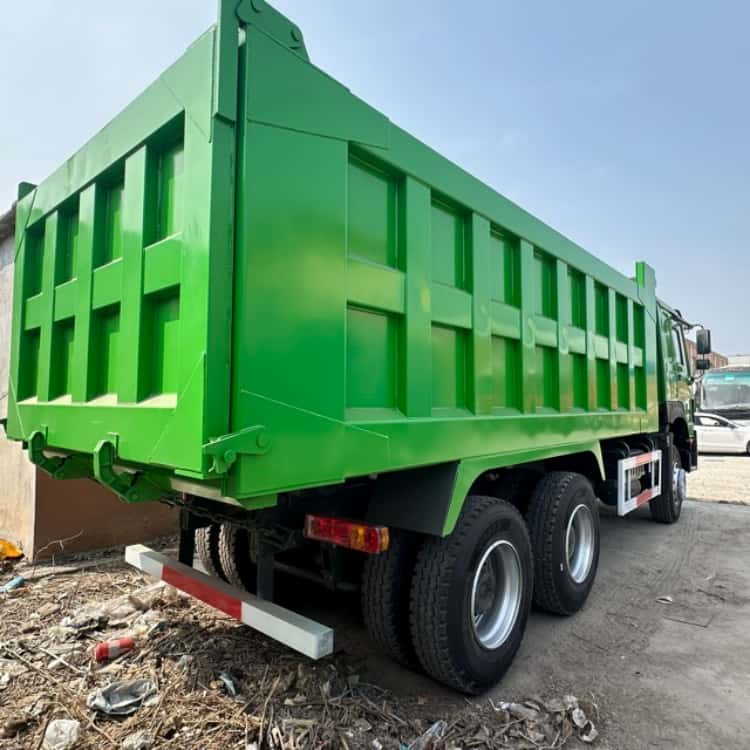
Adaptation for Light-to-Medium-Duty Long-Distance Highway Freight
Optimise fuel economy, cruising stability and continuous highway operation: Highway long-haul runs on paved roads with stable load, less impact vibration, but long continuous running hours.
- Engine: Focus on fuel consumption calibration, leakage check and stable thermal performance. Dynamometer test focuses on steady cruising power and emission consistency.
- Chassis & suspension: Prioritise wheel alignment, steering free-play control and tire wear optimisation. Suspension components pass baseline inspection; no mandatory heavy-duty reinforcement.
- Brake system: Emphasis on thermal fade test for long downhill cruising; air circuit tightness inspection.
- Auxiliary systems: Optimize cab sealing and cooling system for long-hour continuous driving.
- Tolerance setting: Allow standard OEM reuse tolerances for non-structural parts, as impact load is far lower than mining sites.
- Maintenance schedule: Longer recommended service intervals compared with off-road mining reman trucks.
Adaptation for Special Scenarios: High Temperature, High Humidity or Highland Environments
Environment-specific protection and material adjustment: Beyond load duty, climate and altitude bring unique stress, which remanufactured standards can accommodate.
- High-temperature zones: Upgrade radiator inspection, replace ageing rubber hoses and seals with high-temperature resistant material; check oil cooling performance.
- High-humidity / coastal corrosive environment: Shot blasting and anti-corrosion coating for frame and chassis; inspect electrical connectors for corrosion, replace vulnerable wiring harness sections.
- Highland plateau: Recalibrate engine air intake and power output, verify turbocharger performance under low air density; test cold start performance.
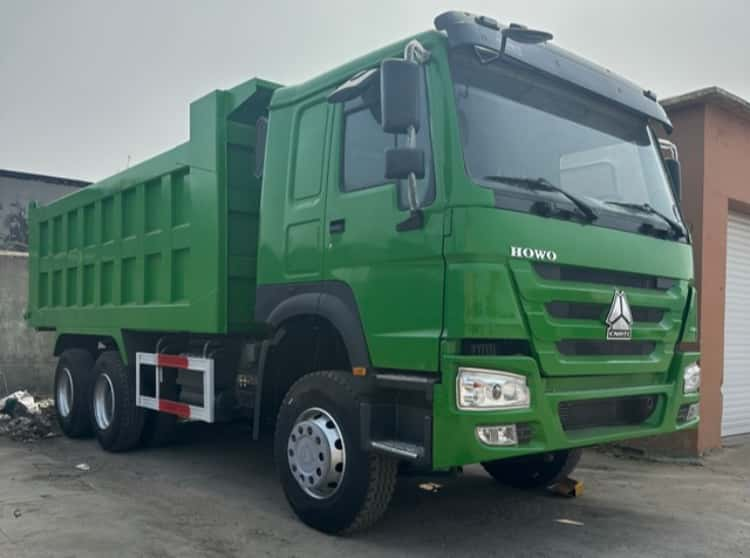
How Reman Supplier Document Duty Classification for Buyers?
Standardised labeling to avoid mismatch between vehicle and working scenario:
- Mark duty classification on reman traceability dossier: Severe Duty / Medium Duty / Highway Duty / Special Environment Adaptation.
- List all modified adaptive items in the document: upgraded components, tightened tolerances, extended test cycles.
- State operating limits clearly: maximum continuous load, allowable slope, ambient temperature range.
- Record the adapted test parameters in bench and road test reports.
- This classification becomes part of RFQ and contract, preventing suppliers delivering mining-spec reman for highway use (overpay) or highway-spec reman to mining sites (premature failure).
Common Risks in Mis-Matched Remanufactured Standard Adaptation
The pitfalls when duty classification is ignored or misrepresented:
- Using highway-standard heavy reman truk in mining sites: insufficient structural strength and hydraulic protection, rapid fatigue and breakdown.
- Selling heavy-duty mining-spec reman for highway fleets: unnecessary component upgrade raises purchase price, poor ROI.
- False duty labeling: reman supplier uses baseline heavy reman truk, but falsely marks it as severe-duty version without upgraded testing and components.
- Skipping environment adaptation: standard heavy reman truk deployed in coastal salt or high-temperature areas suffer accelerated seal and wiring corrosion.
- Vague contract terms: no duty classification defined, leading to disputes after premature failure.
Buyer Evaluation Checklist for Working Condition Adaptation
Verify whether reman specification matches your fleet operation:
- Confirm the defined duty cycle in reman certificate matches your actual site.
- Check whether extra upgraded components for heavy/off-highway duty are listed in parts replacement log.
- Review bench test load profile: whether test load simulates your real working cycle.
- Confirm environmental adaptation measures if operating in plateau, high heat or coastal areas.
- Check that maintenance interval and warranty terms correspond to the declared duty grade.
- Add duty classification and performance requirements into RFQ and procurement contract.
Conclusion
Certified remanufactured standards adopt a two-tier design: fixed mandatory baseline to guarantee it is standardized reman work, plus adjustable scenario-based parameters to fit different working conditions. For mining, construction, highway freight and special climate environments, reman supplier adjust component grades, tolerance limits, test loads and protective configurations, without lowering core reman process requirements.
The biggest risk is mismatched duty classification. Fleet buyers need to clearly define working scenarios in procurement documents and audit the adaptive specification records, to ensure the heavy reman truk is built to match actual site operation.