
How Transparent Remanufactured Standard Solve Reman Market Trust Crisis?
Introduction
The biggest hidden barrier restraining the heavy duty reman truck market is not technology or production capacity, but the widespread trust crisis. For a long time, buyers cannot easily distinguish certified industrial remanufacturing from cosmetic workshop refurbishment. Sellers can make exaggerated performance claims without objective verification methods.
Many fleet buyers suffered unexpected breakdowns and economic losses after purchasing falsely labeled heavy duty reman truck, which makes procurement teams hesitate to adopt reman assets. REMAN ROAD Transparent remanufactured standards set clear, public and auditable rules for every production link. It changes reman from “seller verbal commitment” into a verifiable industrial product, and fundamentally repairs the trust deficit of the whole reman market.
Clear Public Definition: Draw Clear Boundary Between Reman, Refurbishment and Repair
Eliminate conceptual confusion which is the root of trust disorder: The primary cause of trust crisis is ambiguous definition. Without unified public definition, merchants can freely label ordinary repaired or refurbished trucks as heavy duty reman truck.
- Publish public standard documents to define the scope of certified industrial remanufacturing: full disassembly, component inspection, grading, renewal, reassembly and multi-stage performance testing.
- Clearly list exclusion clauses: simple part replacement, surface repainting and partial fault repair do not meet remanufactured standards and cannot use reman product branding.
- Make the definition accessible to buyers, auditors and customs departments. All stakeholders share the same judgement benchmark instead of relying on each supplier’s private interpretation.
- Help fleet procurement teams add standardized definition clauses into RFQ and contracts, to avoid false labeling disputes.

Open Standardized Workflow: Turn Hidden Production Process Into Observable Rules
No “black box” production; every REMAN ROAD reman standard working step follows public specifications Traditional refurbishment production is a black box. Buyers only see finished vehicles and cannot know what operations have been done inside. Transparent remanufactured standard open the whole workflow.
- Publish standardized process roadmap: core incoming screening → full disassembly → cleaning → NDT inspection → component grading → part replacement → assembly → bench test → road test → final certification.
- Define pass/fail criteria for each workstation. Any non-compliant part or procedure must trigger rework or scrapping, and the criteria are not adjustable at technicians’ discretion.
- Standardize mandatory inspection items: frame crack detection, powertrain dynamometer test, braking system full load test and emission verification are non-negotiable required steps.
- Allow buyer audit or third-party factory inspection. The production rules are consistent no matter whether the buyer visits the factory or not.
VIN-Bound Full Traceability System: Build Verifiable Evidence Chain
Every key operation is recorded and linked to vehicle unique identity: Transparent remanufactured standard require all production records to be archived and tied to vehicle VIN, which becomes the core physical proof of trust.
- Core screening records: original vehicle condition, mileage, fault history and NDT report before entering reman line.
- Component archive: list of scrapped, reused and renewed parts, with part numbers, batch information and inspection results.
- Assembly log: high-strength bolt torque records, calibration data of ECU, brake and aftertreatment systems.
- Final test data: dynamometer curve, loaded road test data, leakage test and emission report. Buyers can retrieve all records before shipment. Records cannot be selectively modified to hide defects.

Third-Party Independent Audit Mechanism: Separate Quality Evaluation From Manufacturer
Avoid self-certification; introduce neutral external verification: Self-declared quality statements are easy to doubt. Transparent remanufactured standard introduce independent third-party audit to break the conflict of interest.
- Third-party institutions audit factory reman workflow periodically, check whether actual production follows published remanufactured standard.
- Random sampling inspection of finished heavy duty reman truck, to verify whether real performance matches certification parameters.
- Audit reports can be shared with fleet buyers for tender review and ESG audit.
- Any serious non-conformity will suspend the factory’s certified qualification, forming external supervision pressure.
Standardized Deliverable Documentation: Unify What Buyers Receive After Shipment
Standard document package removes uncertainty in cross-border delivery: Many trust disputes happen because of inconsistent, incomplete or forged delivery documents. Transparent REMAN ROAD reman standard define fixed document checklist for each heavy duty reman truck.
- Mandatory documents: reman certificate, full traceability dossier, bench test report, road test report, parts replacement inventory and warranty certificate.
- Document format is standardized. All key data items are fixed, not randomly edited by sellers.
- Documents can be cross-verified: test data must match component replacement records and core screening reports.
- These documents can be submitted for customs clearance, vehicle registration, internal asset management and ESG carbon auditing.
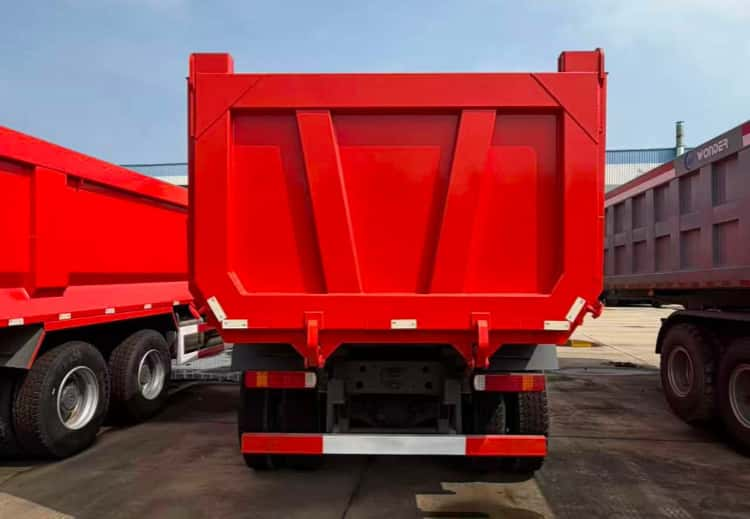
Clear Warranty & Claim Rules: Reduce Uncertainty of After-Sales Commitment
Standardized warranty terms turn vague oral promises into enforceable clauses: Vague warranty commitment is another major trust pain point. Buyers worry sellers will evade responsibility after receiving payment.
- Transparent REMAN ROAD reman standard clearly define covered assemblies, warranty duration, excluded faults and claim triggering conditions.
- Standardize claim process: required evidence, assessment method and repair or replacement obligation.
- Prohibit ambiguous wording such as “partial warranty” without clear scope.
- Warranty information is written into formal delivery documents and contracts, so fleet buyers can quantify risk and budget maintenance cost in advance.
Public Performance Benchmark & Objective KPI: Avoid Marketing Overstatement
Use measurable indicators instead of descriptive advertising language: Many market trust problems come from exaggerated marketing claims, such as “same performance as new truck” without data support.
- Transparent REMAN ROAD remanufactured standard set quantifiable performance benchmarks: power, torque, braking distance, emission limit, leakage rate.
- Test results must be compared against OEM baseline, and data must be recorded in reports.
- Ban subjective promotional statements without supporting test data.
- Buyers can directly compare KPI data from different reman suppliers using the same standard indicators.
Limitations of Transparent Remanufactured Standard: Trust Building Cannot Be Completed by Standards Alone
Standard is foundation, while execution determines real effect: Transparent REMAN ROAD reman standard greatly improve market trust, but they still have inherent limits.
- Standards only define rules; if factories do not implement them strictly, standards become paper requirements. Third-party audit is necessary.
- Buyer education remains required: fleet teams need to learn how to check documents and verify traceability data.
- Regional regulatory differences still exist. Even with transparent internal standards, cross-border customs and registration risks cannot be fully eliminated.
- Standard promotion takes time. It requires industry-wide consensus, not one single supplier’s effort.
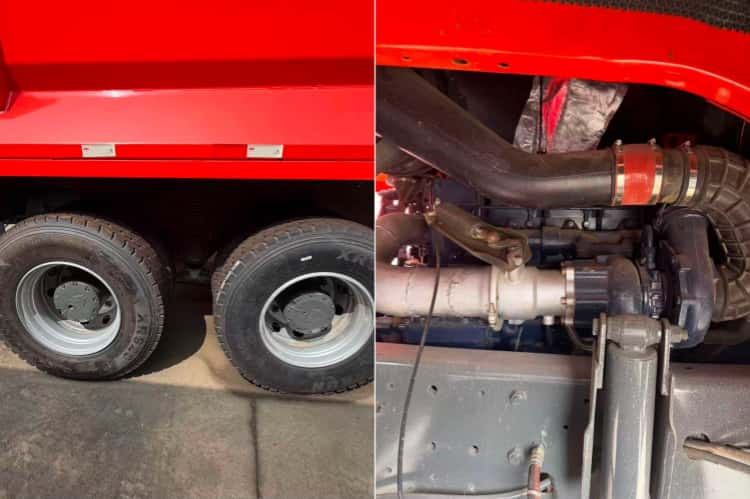
Conclusion
The reman market trust crisis originates from information opacity, vague definitions and self-verified quality claims. Transparent remanufactured standards solve this core problem by setting public definitions, open production workflows, VIN-linked traceability records, third-party audits, standardized delivery documents and clear warranty rules.
It shifts reman purchasing from trusting the seller’s word to trusting verifiable data and objective evidence. For global fleet decision-makers, supplier adherence to transparent remanufactured standards becomes the primary screening criterion when selecting certified heavy duty reman truck.