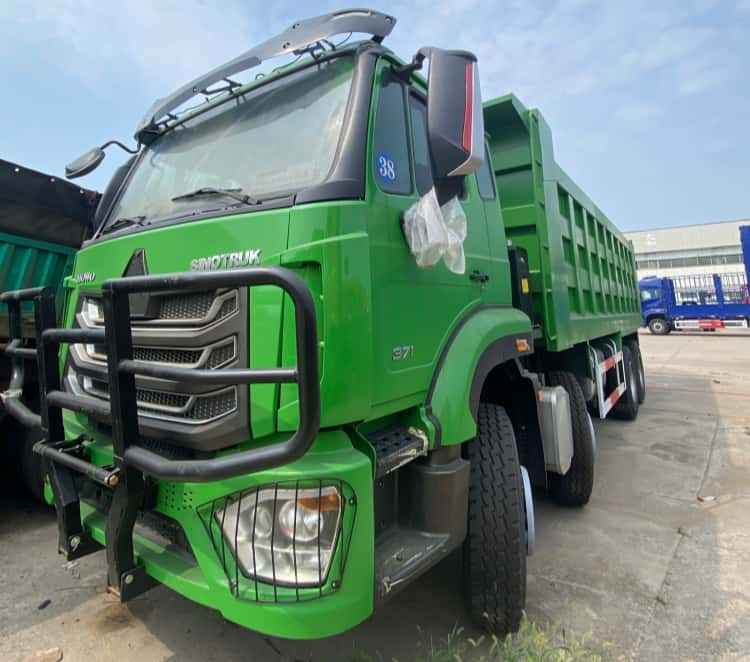
Why Certified Remanufactured Asset Fit Cross-Border Fleet Procurement?
Introduction
Cross-border heavy vehicle procurement faces unique hurdles: long inspection distances, complex shipping cycles, customs compliance, uncertain aftersales support, and difficulty verifying vehicle condition remotely. Many international fleet buyers hesitate over ordinary used trucks due to unknown wear history and lack of verifiable quality proof.
Certified remanufactured assets come with standardized workflows, traceable documentation, defined quality grades and formal warranty. This article explains why certified remanufactured asset are well suited to cross-border fleet purchasing and how they mitigate the typical risks of overseas truck procurement.
Standardized Quality Benchmarks Reduce Remote Inspection Uncertainty
The biggest pain point for cross-border buyers is the inability to conduct frequent on-site physical checks before shipment.
- Certified reman follows unified industrial reman standards, with fixed requirements for core screening, full disassembly, NDT inspection, component renewal and bench performance testing. Quality is not dependent on individual workshop craftsmanship.
- Each unit carries quantifiable test reports rather than subjective verbal descriptions. Buyers can assess vehicle condition remotely through formal documents, photos and test data, instead of relying only on seller photos.
- Clear quality grading systems help buyers select assets matching their local operational requirements, avoiding receiving vehicles that fail to meet expected workload capacity.
- This reduces the risk of buying misrepresented refurbished trucks that are falsely marketed as heavy-duty ready for cross-border delivery.
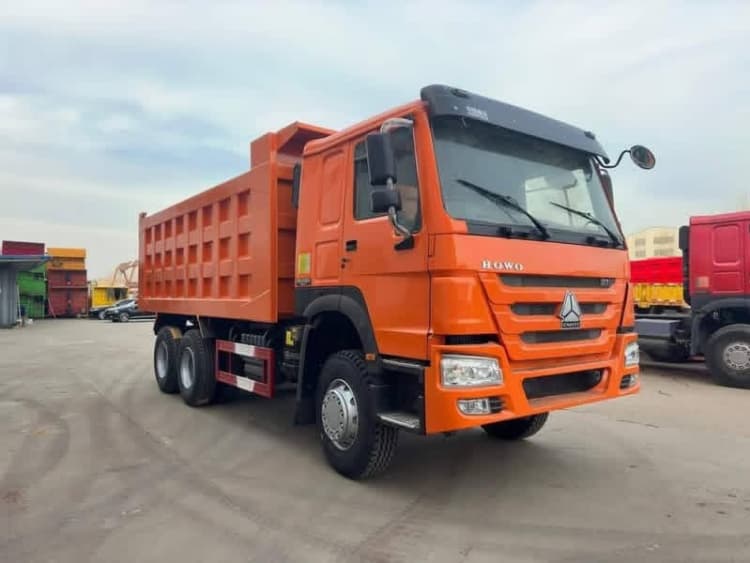
Complete Documentation Supports Customs & Local Regulatory Compliance
Cross-border import requires paperwork for customs clearance, road safety and emission verification. Certified reman packages simplify compliance.
- Full reman files include core inspection records, parts replacement lists, performance test certificates and vehicle identity documents, which can be submitted for customs audit and local transport authority checks.
- Verified inspection reports provide proof of roadworthiness, helping fleets meet local safety inspection requirements after import.
- Clear documentation reduces delays during customs clearance. Incomplete or ambiguous vehicle paperwork often triggers cargo detention, storage fees and shipment postponement.
- Buyers can prove the scope of remanufacturing workflows to local regulators, avoiding penalties caused by undocumented vehicle modifications or unknown component status.
Predictable Lead Time Aligns With International Fleet Rollout Plans
Cross-border fleet projects have fixed timelines for site deployment, and delays in vehicle delivery create cascading project losses.
- Certified reman production has stable, managed workflows. Compared with waiting for factory-new trucks which often have long production lead times, certified remanufactured asset usually have shorter delivery cycles.
- Production schedules are trackable, and suppliers can provide progress documentation during remanufacturing workflows.
- Unlike random used truck sourcing, where available stock is inconsistent and condition varies wildly, certified reman allows buyers to order multiple units with consistent quality for fleet batch procurement.
- Batch consistency simplifies fleet planning, driver training and future spare parts preparation for imported vehicles.
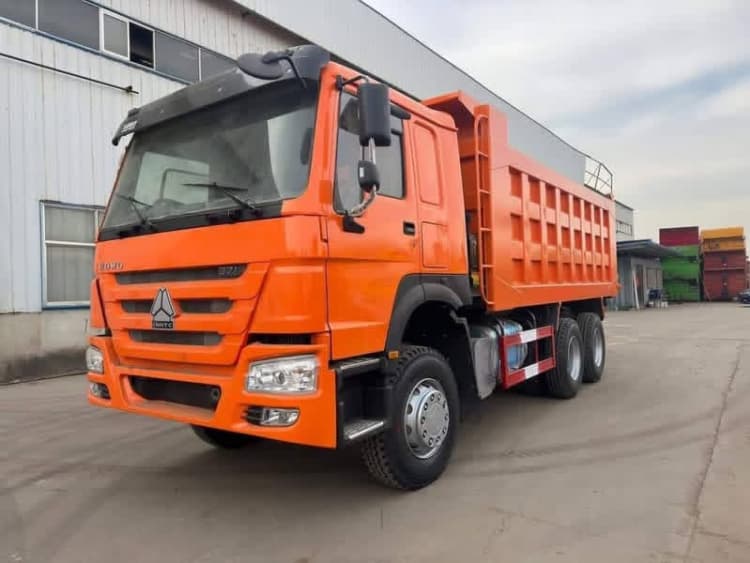
Traceability & Warranty Mitigate Post-Shipping Risk
Once trucks are shipped overseas, returning defective vehicles is extremely costly and logistically difficult. Certified remanufactured asset reduces this post-import risk.
- Serial-number-linked traceability records help overseas maintenance teams quickly understand which assemblies were remanufactured and which parts were renewed.
- Formal assembly-level warranty offers protection for workmanship defects. If issues emerge after arrival, buyers can submit warranty claims based on objective reman documentation.
- Suppliers provide recommended spare parts lists for reman units, allowing fleets to pre-order critical consumables alongside vehicle shipment, cutting long waiting times for spare parts after import.
- Reduces the chance of receiving assets with hidden fatigue that would suffer catastrophic breakdown shortly after arriving at the destination country.
Optimized Total Cost & More Stable Budget for Cross-Border Projects
International procurement involves many extra layers of cost: freight, insurance, customs duties, port handling and pre-shipment inspection fees.
- Certified remanufactured asset carries a much lower upfront cost than new heavy trucks, lowering the base amount for customs valuation, freight and insurance calculation.
- Compared with ordinary used trucks, certified remanufactured asset delivers predictable maintenance costs and lower unplanned downtime after import. Sudden major repairs in foreign markets are far more expensive and harder to arrange.
- The documented asset value preserves residual value. When fleets retire these vehicles, complete reman records support resale in the local secondary market, improving ROI for cross-border asset investment.
- The risk premium buyers pay for certified remanufactured asset is offset by reduced repair, downtime and compliance risk after import.
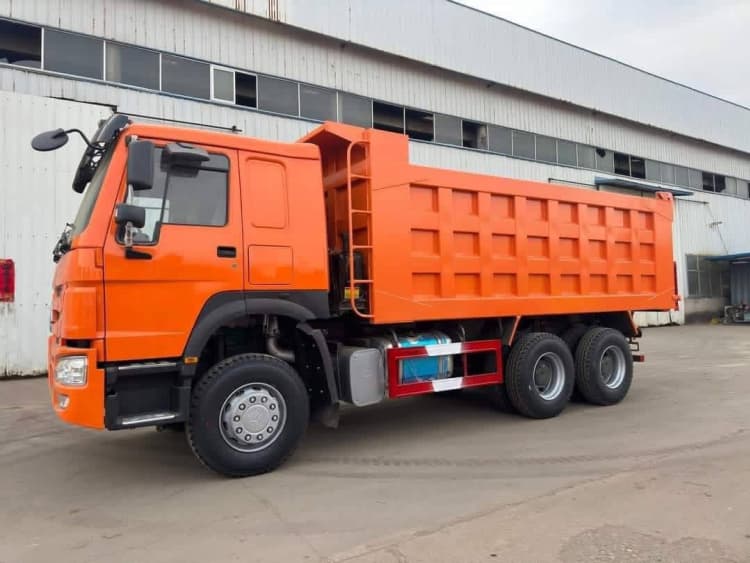
Batch Consistency Simplifies Global Fleet Standardization
For cross-border fleets operating in multiple countries, uniform vehicle specifications are critical for maintenance, spare parts inventory and driver training.
- Certified remanufactured asset of the same model follow identical reman standards, creating consistent performance across the whole imported fleet.
- Ordinary used trucks often come with mixed mileage, wear levels and prior modifications, making fleet standardization almost impossible.
- Consistent specifications reduce the variety of spare parts the fleet needs to stock in overseas workshops, cutting inventory complexity and holding cost.
- Maintenance teams can build one unified service manual and inspection checklist for the whole batch of imported reman trucks.
Key Caveats: What Buyers Must Verify for Cross-Border Reman Sourcing
The benefits only apply to properly certified reman, not basic refurbishment.
- Confirm reman certification is tied to the individual vehicle serial number, not generic certificates for the workshop.
- Verify that test reports, NDT records and parts replacement lists will be provided before shipment.
- Confirm warranty terms are enforceable cross-border, including how claims are handled after the vehicle arrives at destination.
- Check local import rules for remanufactured asset before placing orders, including emission standards and documentation requirements.
Conclusion
Cross-border fleet procurement is plagued by remote quality uncertainty, complicated customs paperwork, high shipping risk and expensive overseas aftersales. Certified remanufactured assets solve these pain points through standardized quality benchmarks, complete traceable documentation, predictable lead times, enforceable warranty and batch consistency.
They balance acquisition cost, import compliance and post-arrival reliability, making them a practical fit for international fleet buyers sourcing heavy trucks for overseas construction, mining and logistics projects.