
How REMAN ROAD Bridges Regional Policy Gaps for International Reman Trade?
Intro
One major barrier to international reman trade is fragmented regional regulation. Different jurisdictions draw distinct lines between used vehicles, basic reconditioning and formal remanufacturing; emission thresholds, customs classification, traceability mandates and import bans vary widely. A truck accepted as reman in one market may be detained or rejected in another.
REMAN ROAD acts as a neutral standards bridge: it maintains a core unified reman engineering baseline, then translates and adapts proof packages to satisfy local regulatory expectations, removing policy friction for cross-border fleet buyers.
Establishes a globally consistent definition of remanufacturing
Many policy gaps originate from terminology confusion. Some customs authorities treat all pre-owned heavy vehicles as second-hand goods subject to strict import restrictions, while others recognise properly audited reman trucks as circular-economy products.
REMAN ROAD anchors every reman trucks to a fixed definition: full lifecycle reset, mandatory component replacement, standardised testing and third-party validation. This shared definition provides regulators with a stable reference point, separating formal remanufacturing from informal repair or low-end refurbishment.
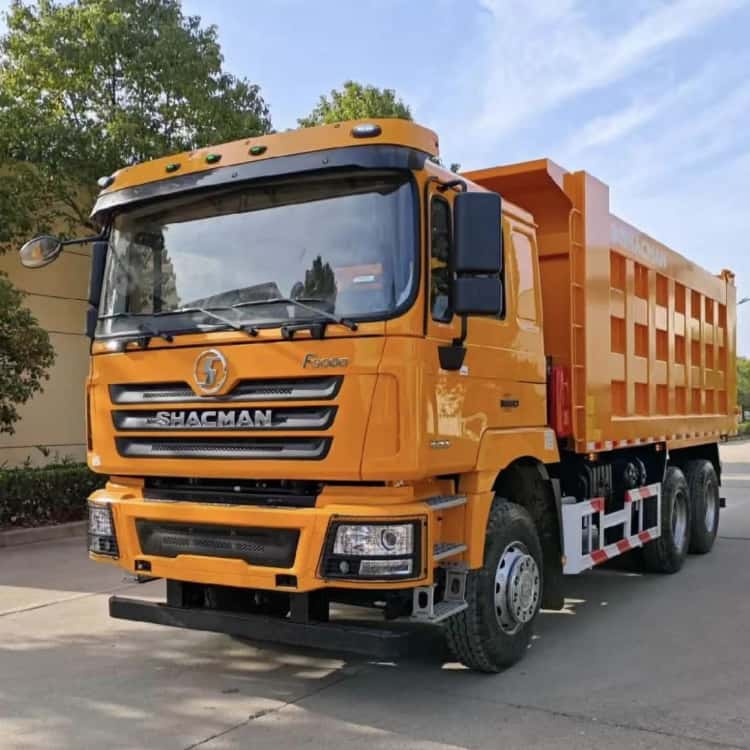
Builds modular, market-tailored compliance documentation kits
Instead of using one static document set for every country, REMAN ROAD produces modular compliance packs. The core technical records — disassembly logs, NDT inspection, dynamometer test data and carbon accounting — stay identical.
Supplementary annexes are customised to match local rules: roadworthiness forms for African corridors, emission conformity statements, customs tariff classification supporting files, and locally recognised third-party attestations. This avoids redoing the full inspection while satisfying jurisdiction-specific paperwork requirements.
Clarifies customs classification risk and reduces cargo detention
A common policy pain point is inconsistent tariff and commodity classification. Border officials may classify reman trucks as scrap, used goods or manufactured goods depending on local guidance.
REMAN ROAD’s complete traceability dossier demonstrates that assets have undergone controlled reman processing rather than simple resale. It supplies pre-vetted classification rationales, helping importers, clearing agents and customs officers reach aligned decisions and lower the risk of port holds, fines or shipment rejection.
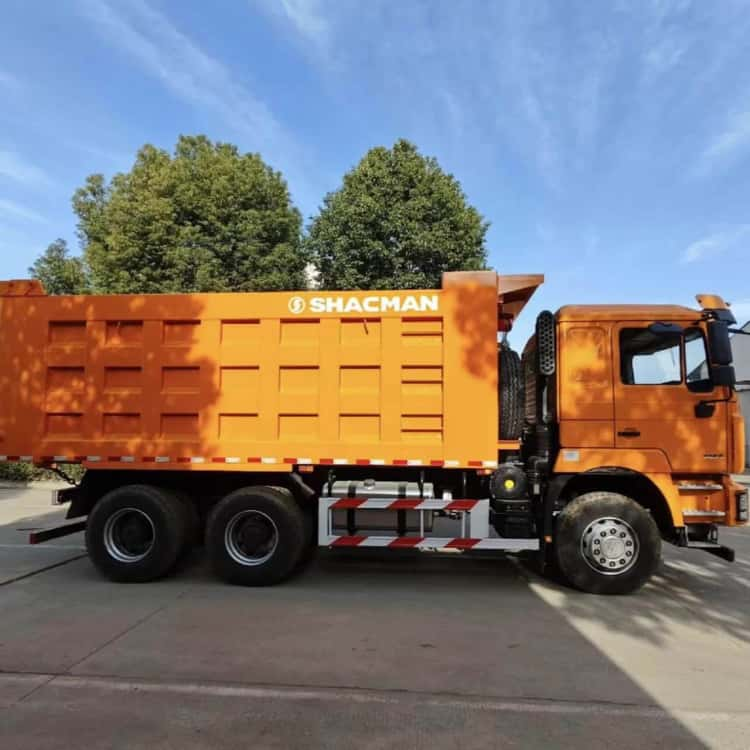
Maps regional emission and safety thresholds against core standards
Emission limits, brake performance, frame safety and OBD requirements differ sharply across markets. Our’s baseline testing framework captures rich, granular performance data.
The team maps these test results to each destination’s applicable standards, highlighting whether a unit qualifies and flagging upgrade requirements before shipment. This gives fleet buyers transparent advance visibility, instead of discovering non-compliance after the truck arrives at port.
Supports mutual recognition with local third-party auditors
Global harmonised regulation does not yet exist for heavy truck remanufacturing. REMAN ROAD solves this by partnering with accredited local inspection bodies in target import regions.
Its standard inspection protocol can be endorsed or countersigned by locally accepted verifiers, turning a globally uniform audit into evidence that local regulators recognise. This avoids the cost and delay of repeating full teardown inspections for every new territory.
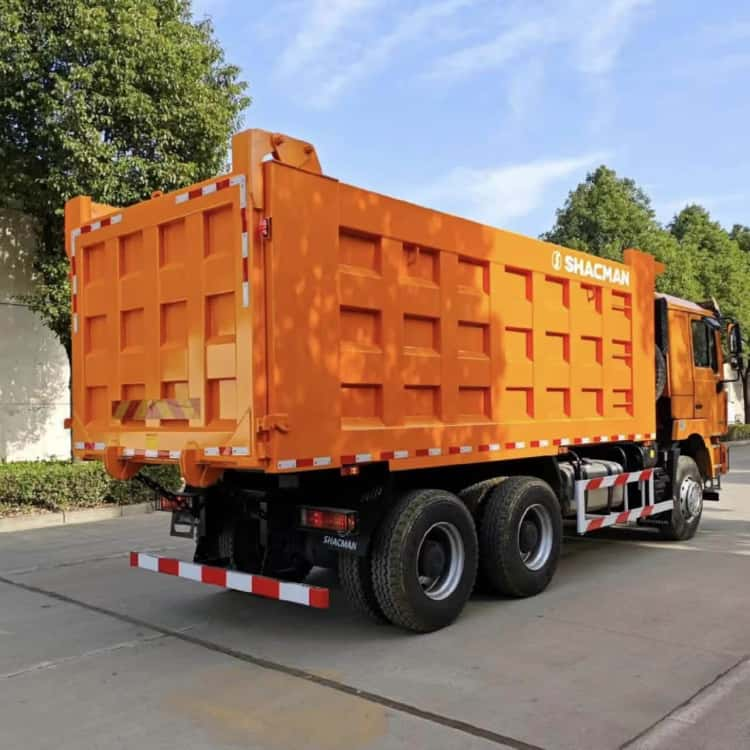
Tracks evolving policy updates and pre-empts rule changes
Import and circular economy rules shift frequently, especially across emerging transport markets. REMAN ROAD continuously monitors regulatory updates for its core trade corridors and updates its checklists and documentation templates proactively.
For fleet operators with multi-country footprint, this means procurement decisions stay aligned with upcoming restrictions, rather than being caught by sudden policy changes mid-contract.
Closing
REMAN ROAD does not force one region’s rules onto another. It bridges policy gaps through a two-layer model: a fixed, auditable global reman standard as the foundation, plus adaptable, locally recognised compliance evidence on top.
For international haulage and engineering fleets, this framework turns fragmented cross-border regulations from a major trade barrier into a predictable, manageable workflow for certified reman truck sourcing.