
Why Heavy Reman Vehicles Delivers More Stable Fuel Performance Than Random Refurbished Used Trucks?
Intro
Fuel is the single largest recurring operating cost for heavy fleets. Generic refurbished used trucks often show wildly variable fuel burn: one trip they run economically, the next they consume drastically more diesel, with no clear root cause. That volatility destroys budget forecasts and tender margin.
REMAN ROAD heavy reman vehicles addresses the sources of inconsistent fuel burn at the component level. Every same-grade heavy reman vehicles follows identical rebuild, cleaning, replacement and dynamometer test rules, so fuel performance stays predictable across load cycles, gradients and site conditions.
Why heavy reman vehicles deliver more stable fuel performance?
Fuel injection systems are fully renewed and calibrated to OEM tolerances
Unregulated refurbishment often keeps worn injectors, high-pressure pumps and pressure regulators if they still “run”. Minor nozzle wear, spray pattern distortion and timing drift create inconsistent combustion: rich burn under load, uneven cylinder contribution and sudden fuel surges.
REMAN ROAD heavy reman vehicles replaces or fully reconditions fuel-system components, then calibrates injection timing and pressure on the bench. Spray patterns are uniform across all cylinders. Consumption does not drift wildly as heat and load change.
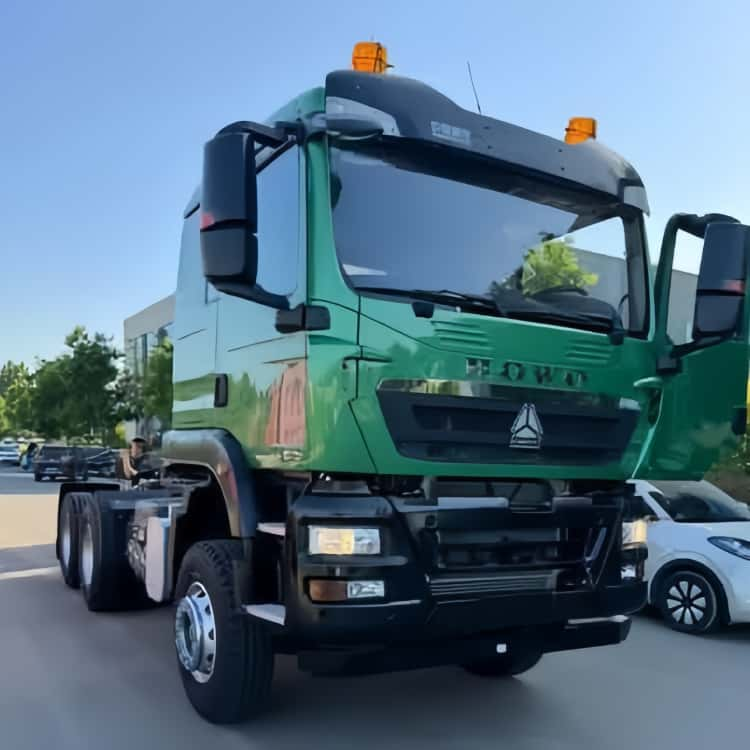
Engine compression, ring sealing and carbon loading are reset to a consistent baseline
A used truck with partial overhaul may have mismatched cylinder wear: one cylinder tight, another leaking. Blow-by rises, combustion efficiency falls, and fuel use creeps up unpredictably. Standard heavy reman vehicles includes cylinder inspection, honing, ring replacement and valve reseating where required.
Carbon deposits are removed from pistons, intake passages and exhaust manifolds. Compression balance is verified, so each cylinder contributes evenly. The engine’s fuel map behaves as designed, rather than drifting with accumulated wear.
Turbo, air intake and exhaust backpressure are controlled and tested
Dirty air filters, worn turbo seals, sticky variable vanes or restricted exhaust create unstable airflow. Under heavy load, the engine cannot get the correct air‑fuel ratio, leading to smoke, power lag and variable fuel consumption.
Certified heavy reman vehicles rebuilds inspect, recondition or replace turbochargers, replace all intake seals and hoses, and verify exhaust flow. Bench load tests confirm boost pressure stays stable across the torque curve. This removes one of the most common hidden causes of erratic fuel burn.
Driveline alignment and rotating resistance are standardised
Random refurbished trucks frequently retain worn bearings, misaligned drivelines, binding differential gears or dragging brakes. These parasitic drags only show up under certain payloads or speeds, causing inconsistent fuel spikes that are hard to diagnose.
Certified heavy reman vehicleschecks axle preload, gear mesh, bearing condition and brake drag, then validates rolling resistance under loaded test cycles. Parasitic losses are brought to a known, consistent level. Fuel consumption changes predictably with payload and gradient, rather than jumping randomly.
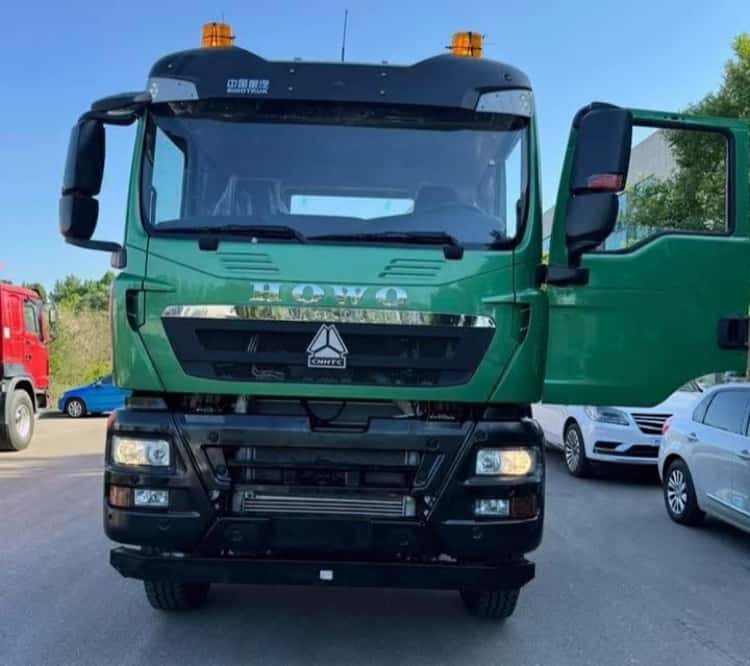
ECU and sensor logic are reset and validated
A used truck’s ECU may carry old fault codes, offset sensor readings or previous makeshift tuning from prior repairs. Degraded pressure, temperature and crank sensors send incorrect signals, causing the engine to over‑fuel intermittently.
During certified heavy reman vehicles reman, relevant sensors are replaced, fault histories cleared, and ECU operation validated under controlled load cycles. There is no leftover custom tuning or degraded sensor drift creating variable fuel behaviour.
Uniform thermal management prevents heat-driven efficiency shifts
Cooling-system neglect is a major driver of variable fuel use. A partially clogged radiator, weak water pump or degraded thermostat makes the engine run hot under heavy load, triggering enrichment and higher consumption.
Certified heavy reman vehicles reman includes cooling-system overhaul, seal replacement and pressure testing. Operating temperature stays within the design window consistently. Thermal drift that triggers rich fueling is eliminated.
Same-duty-grade testing ensures fuel data is comparable
All certified heavy reman vehicles of one duty grade run the same bench and road load profile. Fuel consumption is logged at defined rpm, torque and payload points. When you deploy a fleet of these trucks, you can build a reliable fuel budget. By contrast, a batch of random refurbished trucks may have each unit rebuilt by different shops, with different scopes, so their fuel curves are unrelated.
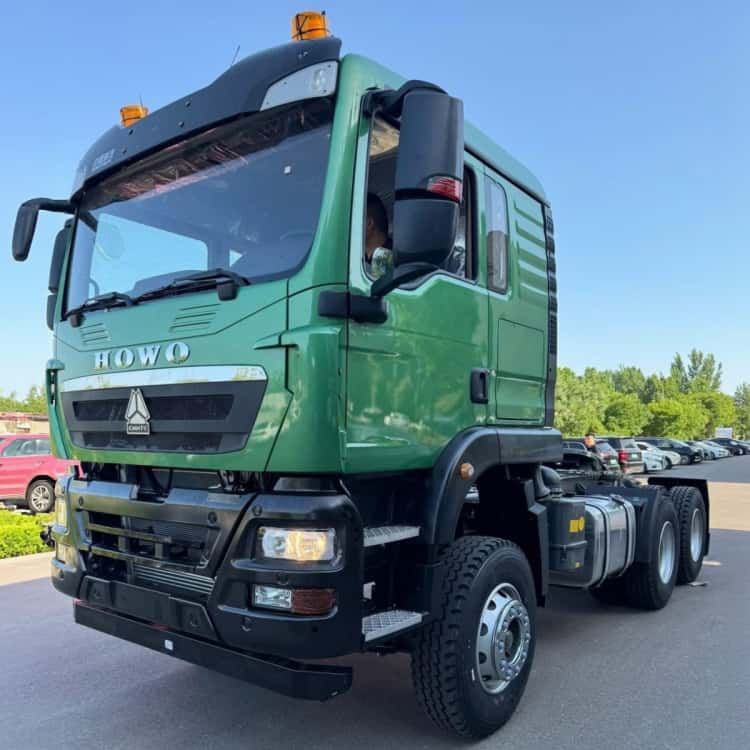
Boundary Note
Certified heavy reman vehicles does not eliminate normal fuel variation from driver style, route, tyre pressure, payload and site conditions. The difference is that the vehicle itself no longer introduces large, unexplained consumption swings caused by unresolved wear, mis-calibration and patched repairs.
Q&A
Q: Does stable fuel performance mean every heavy reman vehicles will use exactly the same litres per kilometre? A: No. Driver behaviour and site conditions still create normal spread. But the variance band is narrow and predictable, unlike refurbished fleets where individual units can spike far outside the expected range.
Q: How can I specify this in RFQ? A: All Heavy reman vehicles shall undergo fuel-system calibration, compression balance and loaded bench validation, with consistent documented fuel consumption performance for the stated duty grade.