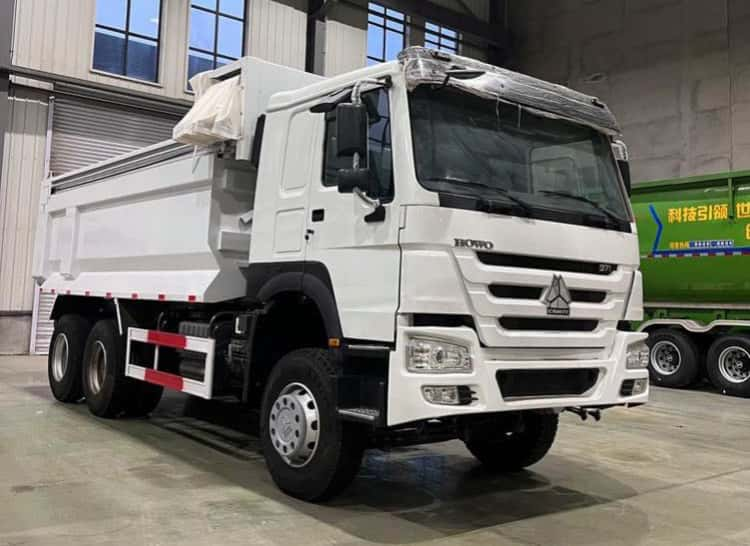
How Standardized Acceptance Criteria Reduce Quality Disputes?
Intro
Quality disputes often arise not because a truck is defective, but because the buyer and seller hold different ideas of what “acceptable” means. A seller may consider a truck acceptable if it starts and drives smoothly; a haulage contractor expects verified fatigue integrity, fixed powertrain output and consistent wear-part tolerances.
This gap grows larger in cross-border trades, where language barriers, long shipping lead times and high demurrage fees turn disagreements into expensive standoffs. Standardised acceptance criteria translate reman quality into documented, testable specifications.
For REMAN ROAD, these criteria are tied to the full truck reman standard: core screening, three-bucket component grading, NDT inspection, dynamometer validation, full-load road testing and third-party audit, with all results attached to the VIN traceability file. This article explains how formalised acceptance criteria suppress quality disputes.
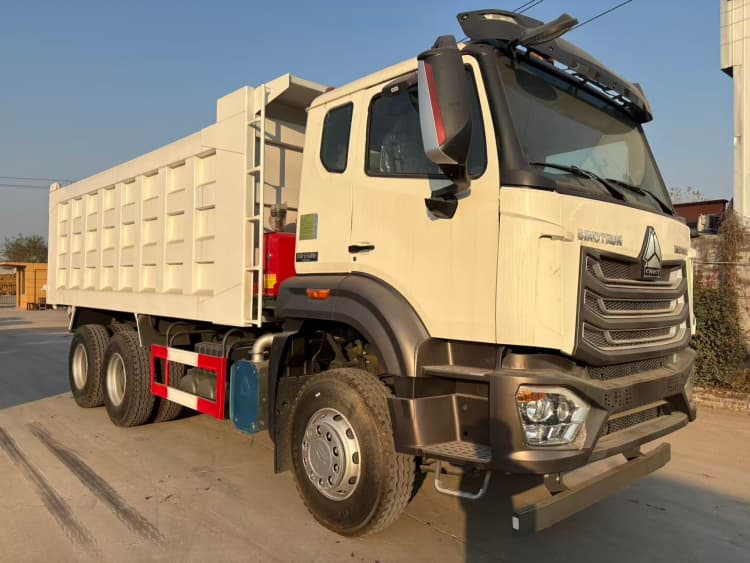
Objective metrics replace subjective opinions
Subjective evaluation is the root of most conflict. Phrases like “good condition” or “runs well” cannot be enforced. Standardised acceptance criteria define numeric thresholds: frame straightness tolerance, maximum allowable fatigue indication, engine power and torque range, brake stopping distance, oil pressure and coolant temperature limits under load.
Both inspectors use the same checklist. The same defect is judged consistently, rather than depending on the inspector’s personal experience or leniency. There is no room to argue whether a condition “feels acceptable”.
Acceptance rules are embedded into sales contracts
Standard criteria become enforceable contract clauses. The purchase agreement can reference the official REMAN ROAD acceptance criteria matrix, with clear definitions of critical, major and minor non-conformities.
Critical defects such as subsurface frame cracks or tampered VIN trigger automatic rejection. Major non-conformities require rework and re-audit at the seller’s cost. Minor cosmetic issues can be resolved via price adjustment. All parties understand consequences before payment and shipment.
Batch consistency simplifies bulk acceptance
Bulk fleet procurement carries high risk of uneven quality. Standardised acceptance criteria ensure every unit in the same duty-class batch is assessed against identical benchmarks.
When multiple trucks arrive, the buyer can apply the same pass/fail framework. It avoids the situation where one unit is held to a stricter standard than another, and eliminates claims of unfair treatment from the supplier.

Pre-shipment and port inspection follow the same checklist
Many disputes flare up at the port, when the buyer discovers issues after arrival. With unified acceptance criteria, the pre-purchase audit, loading inspection and post-arrival port check all use the same checklist.
The auditor can compare arrival condition against the pre-shipment baseline. If damage appeared during transit, it can be separated from pre-existing rebuild defects, clarifying which party bears responsibility.
Warranty claims have a neutral engineering reference
Warranty disputes frequently hinge on whether a failure stems from poor rebuild quality or improper operation. Standard acceptance criteria define the performance baseline the truck was certified to meet.
If the failure mode falls outside the agreed specification at release, it supports the buyer’s warranty claim. If the truck was operated beyond its duty-class limits, the seller has clear evidence to explain exclusion. This removes he-said-she-said negotiation.
Audit and site compliance reviews run smoothly
Mining clients and infrastructure project owners require proof that equipment meets fixed standards. When acceptance criteria are formal and traceable, the fleet can submit test reports mapped directly to those requirements.
Auditors do not need to rely on vague supplier statements, lowering the risk of unexpected site suspension or contract penalties.
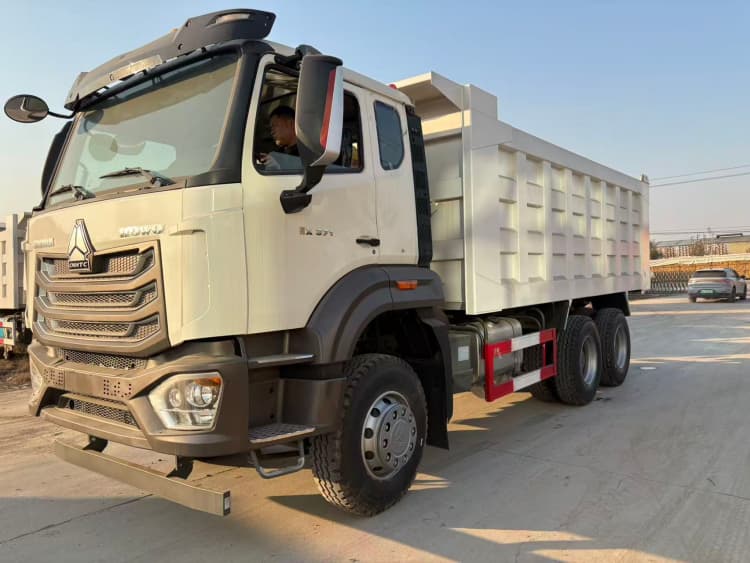
Clear documentation reduces miscommunication across borders
Cross-border trading involves agents, clearing firms, technicians and finance teams on both sides. Standardised acceptance criteria act as a shared reference document, translated and circulated to all stakeholders. Misinterpretation of “reman”, “overhaul” or “refurbished” is minimised. Everyone understands what inspections, tests and tolerances are required before acceptance.
Important guardrail
Standard acceptance criteria are a baseline snapshot at certification. They do not override operational limits. REMAN ROAD acceptance confirms the truck’s condition at delivery, but overload, dusty environments and missed maintenance will degrade performance over time. Criteria govern handover quality; operational discipline governs long-term condition.
Final Takeaway
Quality disputes thrive when expectations are unwritten and assessment is subjective. For contract and quality managers, the key takeaway is simple: REMAN ROAD acceptance criteria deliver a shared, measurable benchmark for handover, inspection and warranty, cutting ambiguity and preventing costly quality disputes before they escalate.