
Risk of Inaccurate Asset Life Estimation in Second Hand Trucks
Intro
Remaining asset life is one of the core inputs for fleet procurement, contract pricing and depreciation planning. For brand-new trucks, manufacturers publish clear service intervals and design lifespans. For second hand trucks, this foundation disappears. The truck’s prior workload, overload history, hidden structural damage, undocumented repairs and past maintenance gaps are almost always unknown. Many sellers quote a rough expected service life based on mileage or visual appearance, not engineering fatigue assessment. These rough estimates are frequently optimistic.
REMAN ROAD remanufacturing resets the asset to a known, tested baseline: full teardown, three-bucket component grading, NDT fatigue screening, dynamometer validation, full-load road testing and third-party audit, with duty class and expected service life formally defined in the traceability file. This article explains the risks created by unreliable asset-life estimates for second hand trucks.
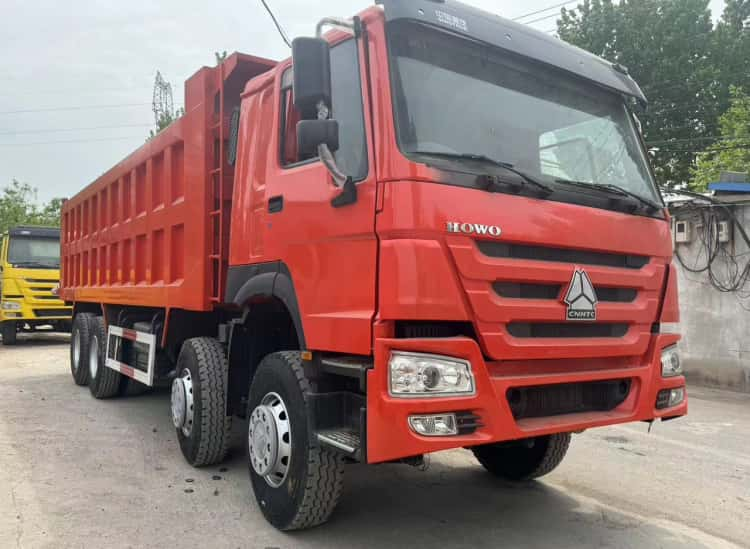
Fatigue damage is invisible to mileage-based estimation
Mileage alone is a poor proxy for remaining life. A truck that ran light highway duty for 500,000 km has far less accumulated fatigue than a unit that hauled heavy ore on rough mine roads for 300,000 km. Second hand trucks market estimates usually ignore load spectrum, cyclic shock, overloading and steep grade exposure. The buyer assumes several years of service ahead, but subsurface frame and axle fatigue can trigger catastrophic failure within months.
Past makeshift repairs shorten residual life without visible signs
Prior field welds, mismatched replacement components, patched driveline parts and unapproved hydraulic modifications do not reset the asset’s fatigue clock. These repairs may hold for a short period, but they create localised stress points. The asset’s true service life is reduced, yet there is no record to inform the estimator. The life forecast ignores these hidden degradation points.
Inconsistent maintenance history creates unknown wear rates
If lubrication, filter changes and cooling-system service were neglected in previous ownership, engine, bearing and seal wear accelerates. Without complete service logs, planners cannot separate normal wear from accelerated degradation. They use average industry life figures, which often overstate how long the second hand truck will remain productive.
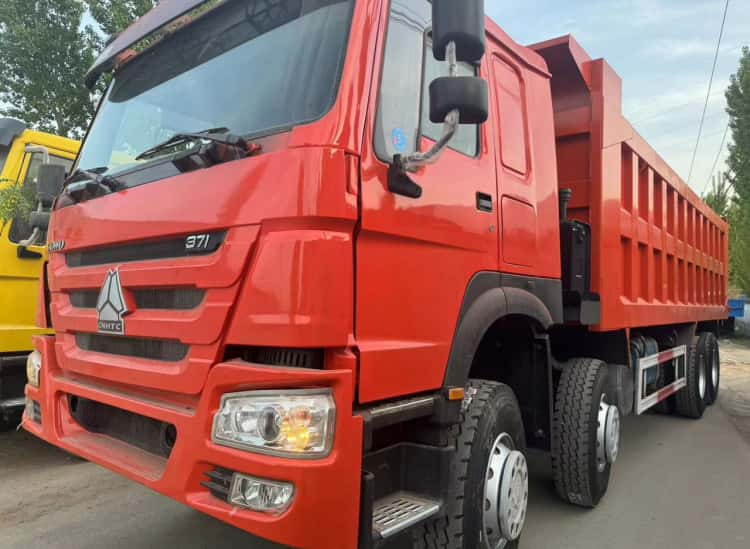
TCO and ton-per-kilometre calculations become unreliable
Asset life directly shapes depreciation allocation and the total amortised cost per tonne-kilometre. When the truck fails much earlier than modelled, the fleet faces accelerated depreciation, unplanned overhaul costs and lost revenue. Fixed-price haul contracts built on the wrong life assumption rapidly turn unprofitable.
Bulk fleet planning and staggered replacement schedules break down
Many fleet managers build rolling replacement plans, spreading capital expenditure across years. When second hand trucks retire unpredictably, replacement cycles fall out of sync. The fleet suddenly needs emergency capital to source replacement trucks, disrupting cash flow and tender commitments.
Resale and exit strategy assumptions collapse
Procurement models often include a projected residual value at the end of the planned holding period. If the actual remaining life is far shorter than estimated, the truck loses value faster. At the point of resale or reallocation, the operator receives a much lower price than budgeted, locking in a capital loss.
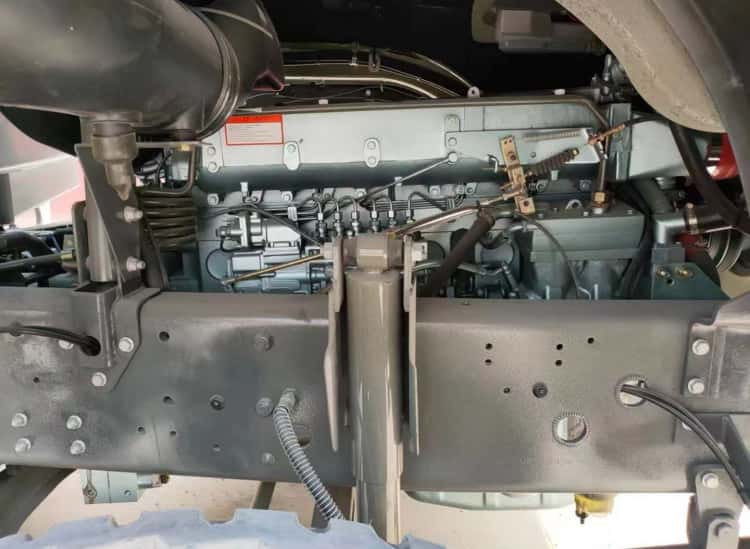
Warranty and insurance coverage mismatch
Insurers and warranty providers set terms based on expected asset age and condition. If the true degradation level is higher than estimated, critical failures may fall outside coverage terms. The operator discovers that the asset’s real risk profile was far higher than represented.
KPI benchmarking is distorted
A fleet may group multiple second hand trucks together and assume uniform service life. Some units fail early while others keep running, creating wide KPI variance. It becomes impossible to tell whether poor performance is caused by operational factors or underestimated asset wear.
Important guardrail
Even REMAN ROAD remanufacturing’s certified remaining-life baseline is conditional. The published service life applies only when the truck operates within its assigned duty class and follows scheduled preventive maintenance. Overloading, abusive operation or missed service will still shorten its usable life. Certification removes the unknown past; it does not stop future wear.
Final Takeaway
Inaccurate asset-life estimation turns second hand trucks purchases into speculative bets. For fleet planners and cost estimators, the key takeaway is simple: REMAN ROAD remanufacturing process establishes a verified engineering baseline for remaining service life, replacing guesswork with predictable life-cycle modelling and protecting your TCO and long-term fleet plans.