
Stakeholder Collaboration: How the Global Reman Ecosystem Drives Circular Asset Flow?
Introduce
A closed-loop reman ecosystem economy cannot be built by one company alone. Certified heavy duty vehicle remanufacturing relies on smooth, continuous asset circulation — from core recovery, reman production, delivery to end-of-cycle regrading. This flow only works when every participant in the ecosystem follows aligned goals and shared rules.
REMAM ROAD designs its global reman network around intentional stakeholder collaboration. Each partner plays a distinct role, and their coordinated actions keep heavy vehicle assets circulating instead of being scrapped or trapped in unregulated second-hand markets.
Authorised Reman Production Hubs
Certified hubs are the engineering core of the reman ecosystem. They follow unified REMAN ROAD workflow standards, from full disassembly, NDT inspection and precision rework to dyno validation and final road testing.
Hands tied to shared audit rules, these hubs do not set their own loose quality thresholds. They feed test data, parts logs and production records into the central traceability platform. They also send feedback on core quality issues back to reverse logistics partners, to refine upstream screening criteria.
Reverse Logistics & Core Collection Partners
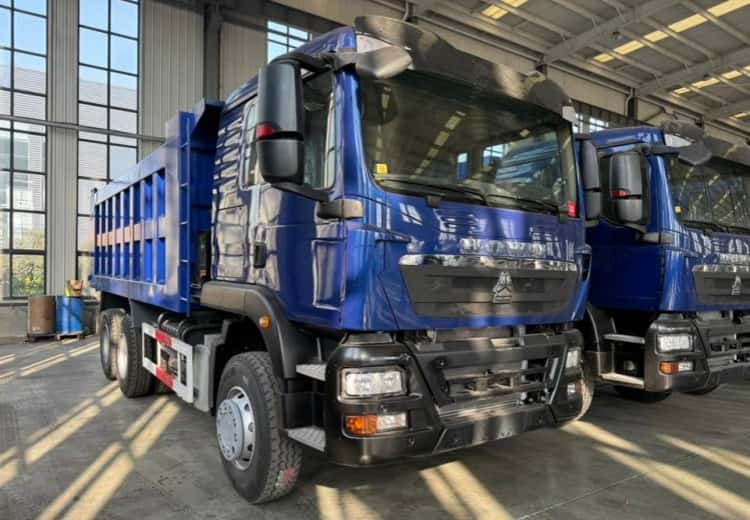
These partners sit at the very start of the asset cycle. They source, pre-inspect, grade and ship eligible truck cores.
They communicate closely with reman hubs on core availability, expected arrival schedules and rejection risks. If a batch of cores shows recurring structural defects, they adjust local collection rules in time. Their work ensures production lines get a steady, predictable supply of grade‑eligible cores.
Independent Third-Party Auditors
Auditors act as neutral guardians of trust. They do not manufacture or sell reman trucks, so they bring unbiased oversight.
They conduct regular and surprise factory audits, sample finished vehicles, and verify that test reports match real operational practice. Their validation results are shared with fleets, financiers and tender institutions. When standards drift at any hub, auditors trigger corrective actions or suspend certification rights. This independent check makes the whole reman ecosystem’s quality claims credible.
Fleet Operators & Asset Owners
Fleets are both buyers and active contributors to circular flow.
They purchase certified reman truck for daily haulage, mining and cross-border transport. During operation, their local service teams log running data, maintenance events and failure records into the asset’s digital file.
When a reman truck reaches the end of its reset service cycle, fleets can return the qualified chassis back into the reverse pipeline for re-grading and potential second-round heavy duty vehicle remanufacturing. This closes the asset loop.
Regional After-Sales & Service Nodes
Service partners keep assets functional throughout their active service life.
They honour transferable REMAN ROAD warranties, perform scheduled maintenance and carry out approved repairs. Every service action is recorded on the traceability ID. Well-maintained trucks retain better structural condition, which raises the chance they can re-enter the heavy duty vehicle remanufacturing loop later, rather than heading straight for scrap.
Financial, Leasing and Green Finance Institutions
Finance partners unlock capital for the circular system.
Using standardised certification and traceability reports, lenders can accurately assess asset value, residual risk and carbon reduction benefits. They provide tailored lease packages and green financing that ordinary uncertified used trucks cannot access.
In turn, more affordable funding helps fleets expand their reman fleet size, which generates more cores for future reman cycles.
Customs, Trade and Regulatory Partners
Cross-border asset flow hits many regulatory barriers. REMAN ROAD works with relevant authorities to build mutual recognition of its certification documents.
Clear, consistent inspection and grading records help regulators distinguish certified reman assets from generic second-hand trucks or scrap. Better classification rules cut clearance delays and lower the friction for international core and finished-vehicle trade.
Secondary Market Appraisers & Brokers
These partners bring transparency to resale and asset valuation.
Instead of pricing trucks only by original manufacturing year, they use the REMAN ROAD traceability record to evaluate remaining service cycle, test history and certification status. A fair, trusted secondary market encourages fleets to treat reman truck as long-term circulatable assets, not one-time purchases.
How Collaboration Keeps Assets Circulating
Without coordination, each group works in isolation: collectors ship risky cores, hubs rebuild to inconsistent standards, fleets cannot get cross-border warranty support, and financiers refuse favourable terms.
When stakeholders collaborate under one shared framework:
- Core supply matches production capacity
- Quality standards stay consistent across regions
- Performance and service data follow each asset
- Assets can be reused, re-tested and re-certified repeatedly
Closing
Circular asset flow is not just about reusing old trucks. It is about building reliable cooperation across every link of the value chain.
Through aligned standards, shared digital traceability and clear role division among all stakeholders, REMAN ROAD keeps heavy-duty vehicles moving in a controlled, low-carbon closed loop. This collaborative model turns scattered reman activities into a stable, scalable global circular reman ecosystem.
2 Comments