
Global Cross-Border Reman Trade Development Analysis
Introduction
Cross-border reman trade refers to the international circulation of industrial reman truck, chassis, powertrain assemblies and reman spare parts, as well as the cross-border flow of eligible used cores for reman processing. Driven by uneven regional fleet structure, gaps in local reman capacity, ESG targets and TCO optimisation, cross-border reman trade is growing fast.
However, it is still far less mature than trade in brand-new heavy equipment. Different customs definitions, inconsistent technical standards and ambiguous classification rules create persistent trade frictions. This analysis sorts out its development status, driving forces, core barriers and evolutionary direction, together with the role of REMAN ROAD.
Core Driving Forces for Cross-Border Reman Trade
Imbalanced supply and demand across regions
Mature markets have strict scrapping rules and a pool of high-quality retired cores, yet high local labour and compliance costs push reman processing offshore. Many emerging markets have massive demand for affordable heavy assets for mining, construction and logistics, but lack local precision reman capacity. Cross-border reman trade connects these two ends of the circular value chain.
Rising demand for cost-controlled fleet renewal
New heavy-duty vehicles carry high CAPEX pressure. Industrial reman truck with OEM-equivalent performance and formal warranty become a practical alternative for fleets in capital-sensitive markets. Cross-border sourcing expands buyer options beyond local suppliers.
Global ESG and carbon reporting requirements
Multinational fleets and contractors need verifiable embodied carbon reduction results. Cross-border reman trade allows them to source industrial reman truck and consolidate sustainability data across global subsidiaries, provided the reman definition and carbon calculation rules are consistent.
Specialised industrial division of labour
Some regions hold advantages in core collection; others own complete spare parts supply chains, machining, NDT testing and calibration capacity. Cross-border trade supports specialised labour: core collection, reman processing and final asset deployment can take place in different countries.
Main Product Categories in Cross-Border Reman Trade
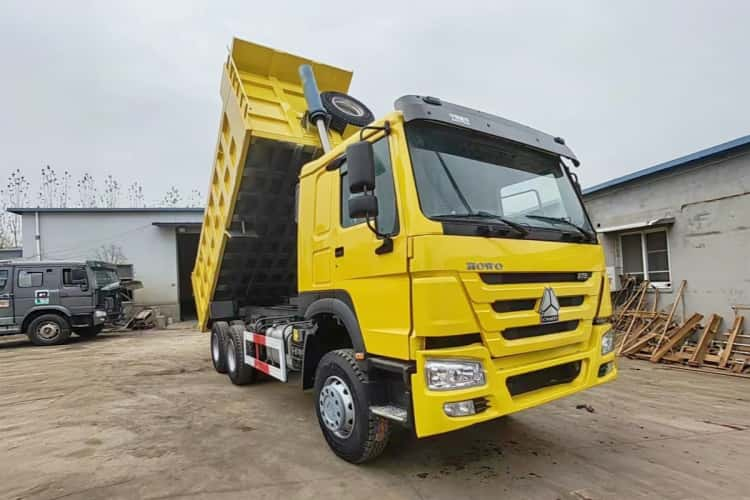
- Complete industrial reman truck and chassis: The most complex category, subject to vehicle safety, emission and homologation rules of destination countries.
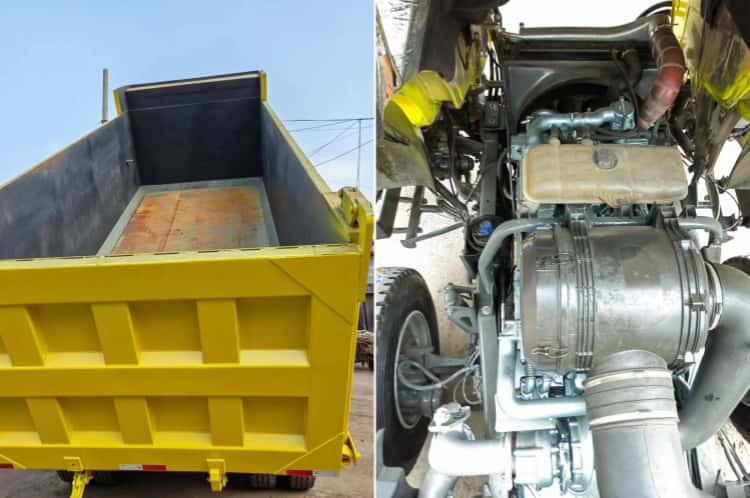
- Reman powertrain assemblies: Engines, transmissions, axles. This segment is the most active, with relatively mature interchange requirements for fleet maintenance.
- Reman spare parts and components: Cylinder heads, crankshafts, hydraulic parts, targeted at fleet repair and component replacement cycles.
- Used cores for reman: The most regulated category. Many jurisdictions treat used cores as second-hand goods or waste, with separate import restrictions, even though they are raw materials for formal remanufacturing.
Key Barriers Restricting Cross-Border Reman Trade
Classification ambiguity at customs
The biggest headache: customs authorities in different countries classify the same goods inconsistently. One nation may treat a reman engine as a new product; another classifies it as used equipment, second-hand scrap or overhauled goods. Misclassification triggers detention, extra tariffs or import rejection. This confusion fundamentally comes from the lack of globally agreed reman terminology.
Fragmented inspection and certification systems
A industrial reman truck passing an audit in the exporting country may not be recognised by the importer. Without shared evaluation benchmarks, buyers must organise repeated third-party testing, raising cost and lead time.
Restrictive policies on core cross-border circulation
Many markets impose strict bans or complicated permits for importing used cores, out of concern for waste smuggling and environmental risks. The policy intention is reasonable, but it often fails to distinguish screened, qualified reman cores from uncontrolled scrap, blocking formal circular flows.
Information asymmetry and trust deficit
Overseas buyers cannot easily verify whether imported goods are true certified reman, overhaul, refurbishment or simply cleaned-up used units. Distant logistics make after-sales disputes harder to resolve. This limits willingness to place large long-term orders.
Differences in emission and safety homologation
Even if a industrial reman truck meets reman process standards, it must match the destination market’s emission, braking and lighting regulations. Cross-border suppliers need version control for different regulatory tiers.
Current Development Patterns of Cross-Border Reman Trade
Pattern 1: Core export to manufacturing hubs for reman processing
Used cores are collected from mature fleets, exported to regions with strong machining capacity, processed into certified reman assemblies, then re-exported to end-demand markets. This is the most common circular route now.
Pattern 2: Finished reman products directly exported to demand markets
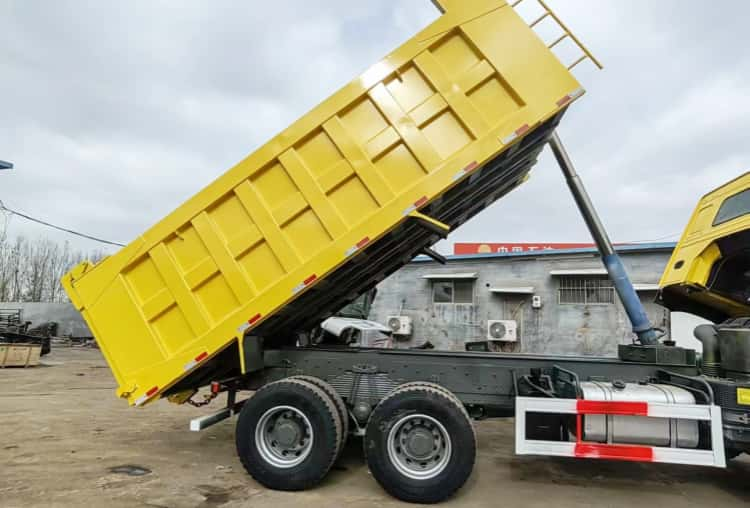
Reman factories complete full lifecycle reset locally and ship ready-to-use reman trucks or assemblies directly to importers in emerging markets. This model requires robust pre-shipment inspection and clear compliance documentation.
Pattern 3: Intra-fleet cross-border circular loops for large multinational operators
Global mining, energy and logistics groups retire assets from one regional fleet, send eligible cores to their designated reman base, and redeploy finished industrial reman truck to their subsidiaries in other countries. This closed-loop model has higher internal data transparency.
Pattern 4: Component-level cross-border exchange
Reman spare parts flow between markets to support multi-brand fleet maintenance. This segment is smaller in single shipment value but high-frequency and essential for after-sales networks.
Industry Trends for the Next Stage
- Harmonised classification reference will gradually be accepted by importers, exporters and inspection bodies, separating certified reman from overhaul and scrap goods.
- Pre-shipment third-party audit based on shared standards will become standard practice, reducing customs clearance risk.
- Digital lifecycle traceability documents will be accepted across borders, replacing paper-only inspection certificates.
- Policy frameworks will be refined to create a dedicated compliance channel for qualified reman cores, rather than grouping all used hardware with waste.
- Trade will shift from spot one-off purchases to framework agreements with fixed audit rules, core return clauses and cross-border warranty arrangements.
How REMAN ROAD Facilitates Orderly Cross-Border Reman Trade?
REMAN ROAD does not replace national customs laws or local homologation rules. It provides a neutral, cross-referable technical foundation:
- Unified terminology gives buyers, sellers and inspectors the same definition of certified reman, overhaul, refurbishment and core. This reduces classification disputes.
- Standard evaluation checklists serve as a repeatable audit baseline for pre-export inspection. Audit reports following REMAN ROAD framework are easier for overseas importers and verifiers to recognise.
- Standard traceability templates package core origin, inspection records, parts replacement logs and performance test data into an auditable dossier for customs and tender review.
- It helps suppliers clearly label product scope in RFQs, contracts and commercial invoices, lowering the risk of being accused of greenwashing or false declaration.
- It supports consistent carbon accounting, so cross-border reman trade’s environmental benefits can be reliably reported by multinational fleets.
Closing Summary
Global cross-border reman trade is a natural outcome of the global circular economy, matching surplus high-quality core resources, processing capacity and fleet demand across borders. Its biggest bottleneck is not logistics, but inconsistent classification, fragmented inspection rules and trust gaps. The healthy development path lies in aligning technical definitions and evaluation benchmarks on a voluntary neutral basis while respecting local regulatory sovereignty. REMAN ROAD offers this shared infrastructure, helping cross-border reman trade move from risky spot transactions to transparent, scalable, compliant circular commerce.