
From Vehicles Reman Market Chaos to Standardization: REMAN ROAD’s Long-Term Roadmap
Introduction
The worldwide heavy vehicles remanufacturing market is full of untapped circular value, yet it operates in widespread chaos. Definitions vary between regions, quality assessment rules differ by workshop, traceability records are inconsistent, and misleading labelling erodes buyer confidence. Many fleet operators view heavy remanufactured vehicles as a high-risk bargain rather than a predictable, certified asset class. Price competition often overrides technical compliance, while cross-border transactions suffer from conflicting documentation, disputed warranty terms and unreliable quality claims.
This market disorder does not stem from a lack of remanufacturing technology. It arises from missing shared rules, fragmented data systems and disconnected stakeholders. REMAN ROAD’s long-term roadmap is designed to guide the global heavy vehicles remanufacturing sector from this fragmented chaos toward a unified, open standard ecosystem. It is a phased, practical plan built on collaborative governance, verified certification, digital traceability and market education, rather than overnight regulatory change. This article lays out the vision, staged milestones, core priorities and expected long-term outcomes.
The Root of Current Global Heavy Vehicles Reman Market Chaos
Before standardization can be built, REMAN ROAD identifies four core sources of market disorder.
- First, terminology confusion. There is no globally accepted common language separating genuine remanufacturing, overhaul and refurbishment. Sellers freely apply the “remanufactured” label to partial repairs or cosmetic touch-ups, creating unfair competition and misleading procurement decisions.
- Second, inconsistent technical acceptance criteria. Factories use different core screening rules, NDT inspection thresholds, machining tolerances and performance test benchmarks. Two trucks advertised as remanufactured can deliver vastly different reliability and service life.
- Third, fragmented documentation and weak traceability. Most heavy remanufactured vehicles rely on self-issued certificates without independent audit. Critical evidence like core history, structural inspection results and component replacement logs cannot be reliably verified by international buyers.
- Fourth, isolated stakeholders. Remanufacturer, fleet buyers, testing labs and ESG assessors work in separate silos. There is no shared platform to align expectations, collect real-world field performance data or resolve cross-border disputes based on neutral technical standards.
REMAM ROAD’s roadmap addresses these structural problems step by step, rather than trying to fix everything at once.
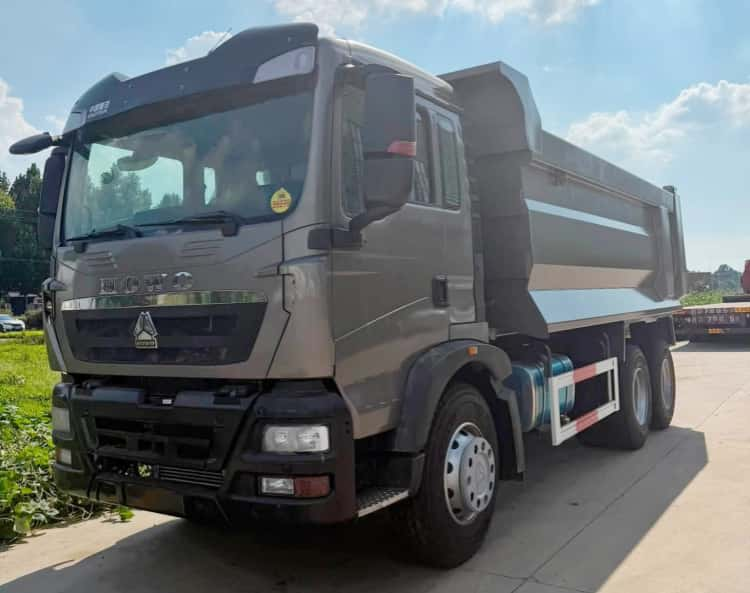
Phase 1: Foundation Building – Establish Open Standard & Core Rules (Short Term)
The first phase focuses on laying the foundational framework to end definition confusion and create repeatable workflows.
Key deliverables:
- Finalise and publish open, public definitions for genuine remanufacturing, overhaul and refurbished heavy trucks.
- Lock in core qualification criteria, mandatory NDT inspection items, full disassembly requirements, bench performance test benchmarks and VIN-bound traceability rules.
- Release standardised templates for RFQ, inspection checklists, reman certification reports and warranty clauses.
- Recruit the first cohort of verified remanufacturers, third-party auditors and global fleet operators to join the collaborative platform for pilot validation.
During this phase, REMAN ROAD will run factory audits and vehicle certification pilots, collect feedback from real cross-border procurement cases, and adjust technical clauses to fit rugged operating conditions in hot, dusty markets. The goal is to prove that the standard is practical, auditable and usable for bulk fleet purchasing.
Phase 2: Scale Adoption – Digital Traceability & Verified Ecosystem Growth (Mid Term)
Once the core standard is validated, the roadmap moves to scaling adoption and building the digital infrastructure for full lifecycle traceability.
Key deliverables:
- Roll out the shared digital traceability repository, where every REMAN ROAD heavy remanufactured vehicles stores its complete VIN-linked dossier including core screening, process logs, test data and audit records.
- Expand the network of verified remanufacturers and accredited independent auditors across multiple regions.
- Launch global market education programs: technical guides, webinars and case studies to help fleet procurement teams understand how to evaluate certified reman assets.
- Develop standard methodologies for carbon saving quantification and ESG reporting tied to reman workflow data.
- Build a neutral technical review mechanism for cross-border quality disputes, using the published standard as the objective judging basis.
In this phase, heavy remanufactured vehicles become easier to identify and compare. Buyers no longer need to rely on seller promises. Suppliers who follow the standard gain a differentiator beyond low pricing, shifting market competition from cosmetic repairs to verified quality.
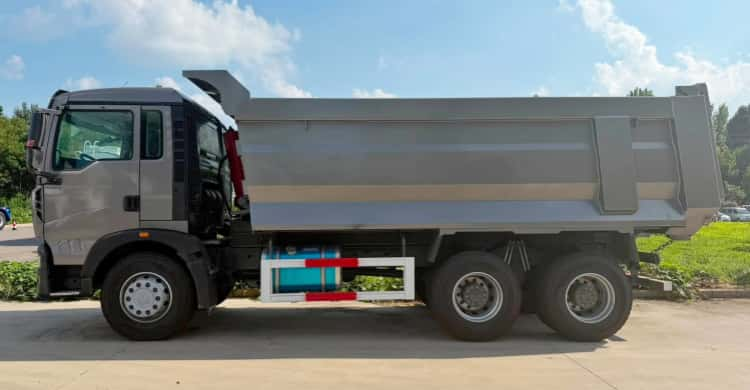
Phase 3: Industry Maturity – Data Feedback Loop & Cross-Regional Alignment (Long Term)
The final long-term phase turns REMAN ROAD into a self-improving global ecosystem, closing the loop between factory reman processes and real-world fleet field performance.
Key deliverables:
- Build a shared anonymised performance database, collecting long-run fleet operational data, failure modes, maintenance cycles and residual value trends of certified heavy remanufactured vehicles. This real-world field data feeds back to continuously refine the REMAN ROAD technical standard.
- Align documentation and certification logic with cross-border customs, corporate asset audit and international circular economy frameworks.
- Promote wider industry recognition of the open standard, encouraging component suppliers, financial institutions and carbon verifiers to accept REMAN ROAD certification as credible evidence.
- Advance research on core reverse logistics networks, making the supply of qualified used truck cores more stable and predictable for verified remanufacturers globally.
- Establish sustainable collaborative governance, allowing all platform stakeholders to contribute updates to the standard rather than being controlled by a single organisation.
At this maturity stage, heavy remanufactured vehicles become a mainstream, trusted asset category alongside new and used trucks. The market will no longer be defined by chaos and information asymmetry. Buyers can compare certified heavy remanufactured vehicles on consistent technical, financial and ESG metrics.
Guiding Principles Shaping the Roadmap
Three core principles govern all REMAN ROAD roadmap activities.
- Open standard, exclusive ownership rejected. REMAN ROAD creates publicly accessible standards, not proprietary locked specifications. Any qualified participant can reference the definitions, checklists and traceability rules.
- Technology-neutral and practical. The standard focuses on outcomes and mandatory workflow gates instead of dictating specific factory equipment. It works for different reman facilities across different countries.
- Market-led, not regulatory. REMAN ROAD does not act as a regulator. It builds market credibility through third-party audit and verified records. Adoption grows because buyers and suppliers see tangible risk reduction and commercial value.
Expected Outcomes: What Standardization Brings to the Heavy Vehicles Reman Market?
When the roadmap reaches full execution, the industry will see several lasting changes.
- Misleading labelling declines. Vehicles marketed as remanufactured must meet clear, auditable workflow requirements. Cosmetic repairs can no longer be sold under the genuine remanufacturing label.
- Procurement risk drops. Global fleets can purchase bulk heavy remanufactured vehicles with verifiable traceability, defined warranty and predictable TCO modelling.
- Fairer competition emerges. Quality replaces pure low pricing as the key competitive advantage for remanufacturers. Factories that cut corners will be filtered out by audit.
- Circular economy impact becomes measurable. Carbon savings, raw material and energy reduction can be quantified, audited and reported for ESG disclosures.
- Reman residual value improves. Certified assets with complete traceability dossiers hold better residual value at the end of their service cycle.
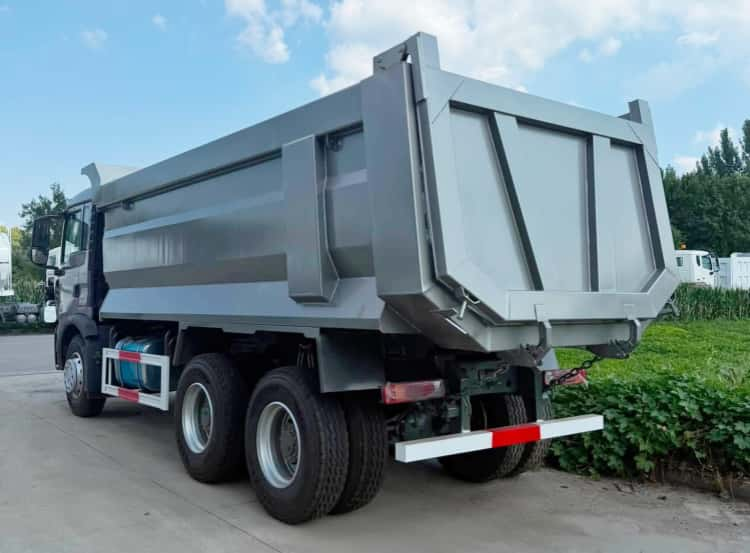
Recognised Challenges Along the Journey
REMAM ROAD acknowledges obstacles on the path to standardization. Regional operating conditions vary widely; factory technical capacity differs greatly; legacy market habits are hard to change; cross-border legal and customs rules are complex. Progress will not be linear.
The roadmap is designed to adapt to these realities. It starts with pilot projects, gathers real feedback and evolves incrementally. The goal is not instant universal adoption, but steady, measurable progress toward a more trusted global heavy vehicles remanufacturing ecosystem.
Conclusion
The global heavy vehicles remanufacturing market currently lives in chaos, but this is not an inevitable permanent state. REMAN ROAD’s long-term roadmap transforms the industry through a staged journey: first building shared definitions and core rules, then scaling digital traceability and verified participants, and finally creating a self-improving global ecosystem closed by real fleet performance data.
This vision is not about replacing manufacturers or controlling sales. It is about bringing order through open standards, independent verification and cross-stakeholder collaboration. As the roadmap unfolds, certified heavy vehicles remanufacturing will realise its full commercial and environmental potential for fleet owners, verified remanufacturers and the wider circular economy worldwide.