
REMAN ROAD Viewpoint: How Standard Remanufacture Lowers Fleet Procurement Risks?
Introduction
Fleet operators purchasing heavy-duty trucks face a unique set of procurement risks when shopping for heavy remanufactured trucks. The biggest risk does not always come from the vehicle hardware itself, but from inconsistent standards, ambiguous definitions, undocumented hidden damage, and unenforceable seller commitments. Many fleets have experienced costly losses after buying units marketed as heavy remanufactured trucks, only to discover the trucks were simple cosmetic refurbishment or partial overhaul.
REMAN ROAD holds a clear viewpoint: standard remanufacture is not merely a quality upgrade for second-hand truck cores. It is a risk control system built into every procurement stage. By applying unified open standards, verified standardized reman process and auditable documentation, standard remanufacture removes the major unknowns that trouble global fleet buyers. This article breaks down how standard remanufacture cuts down procurement risks across key areas.
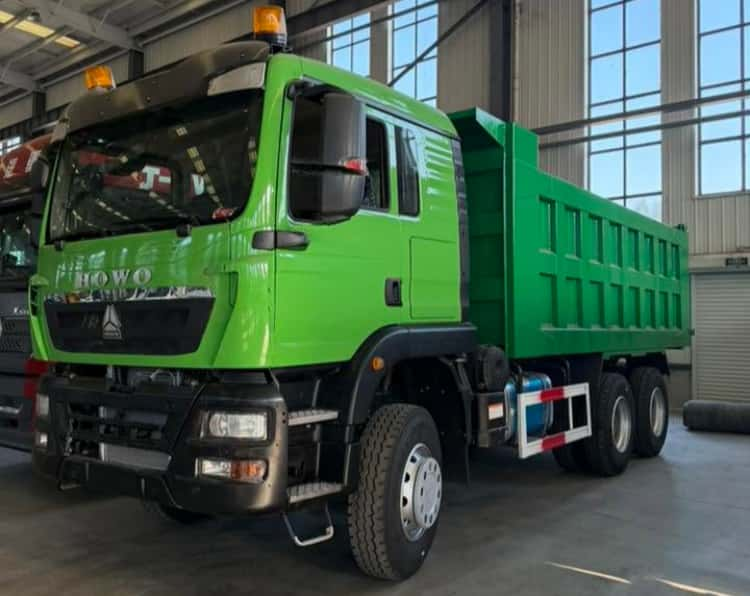
Reduces quality risk from mislabelled and misrepresented vehicles
The most pervasive procurement risk in the reman market is terminology abuse. Sellers may use “remanufactured” as a marketing label for lightly repaired trucks, with no full disassembly, structural inspection or component renewal. Buyers cannot easily tell the difference before delivery, leading to unexpected early failures.
REMAN ROAD standard sets fixed, public definitions separating standard remanufacture, refurbishment and overhaul. Any unit claiming reman status must complete the full standardized reman process, including core screening, non-destructive testing, worn-part replacement, bench testing and load validation.
When procurement follows this standard, buyers establish a consistent baseline for comparison. They no longer compare mismatched products and can filter out misrepresented vehicles at the quotation stage.
Eliminates hidden structural risk through mandatory core qualification rules
A hidden structural defect in the frame, axle or engine block is one of the costliest risks for fleet owners. Accident-damaged cores or assets with accumulated metal fatigue are sometimes put back on the market without proper inspection. These defects often stay invisible until the truck operates under heavy load on rugged roads.
Standard remanufacture under REMAN ROAD requires rigorous incoming core assessment. Any core with irreparable cracks, severe corrosion or crash-related structural deformation is rejected before reman work starts. Mandatory NDT inspection and dimensional checks are documented and tied to the vehicle VIN. This standardized reman process blocks defective cores from entering production, removing latent structural risks before the truck reaches the fleet.
Minimizes information asymmetry with full traceable process records
Cross-border procurement amplifies information gaps. Fleet buyers often cannot travel to inspect factories in person. Without standardized records, sellers may omit critical facts, such as counterfeit replacement parts, skipped machining steps or failed test results.
REMAN ROAD’s traceability framework requires every standardized reman process to be logged and archived. Core inspection reports, component grading records, parts replacement logs and performance test data form a complete dossier for each truck. Third-party verification further prevents self-reported quality claims. Buyers can remotely audit the asset history and verify compliance, reducing reliance on seller verbal promises and lowering the risk of information gaps.
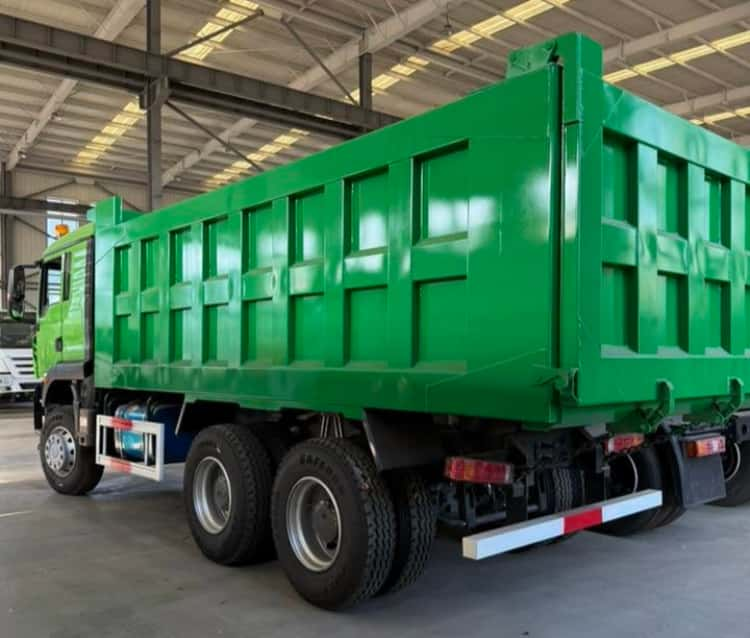
Clarifies warranty and liability risks with standardised terms
Unclear warranty clauses create major post-delivery risk. Many informal reman sales carry vague, limited warranties that exclude most critical component failures. Liability for hidden defects often becomes a dispute once the truck is shipped overseas.
Standard remanufacture links warranty coverage directly to compliance with the defined reman steps. If a vehicle fully meets REMAN ROAD requirements, it qualifies for predefined warranty scope. Liability boundaries are clearly defined for defects caused by skipped reman steps. This structure removes ambiguous fine print, helping fleets forecast risk exposure and avoid expensive cross-border claim disputes.
Stabilizes financial risk via predictable total cost of ownership
Some fleets treat heavy remanufactured trucks as purely a cheap upfront purchase, without accounting for unplanned downtime and repair costs from low-quality units. Poorly remade trucks may appear affordable initially, but quickly drain budget through frequent breakdowns.
Standard remanufacture aligns performance benchmarks near OEM new truck specifications. Consistent quality reduces unplanned downtime and unexpected maintenance expenses. Fleet finance teams can build reliable TCO models based on verified performance data, rather than speculative assumptions. This lowers budget volatility and reduces the risk of bad asset investment decisions.
Simplifies compliance risk for cross-border transactions
International fleet buyers face compliance risks including customs documentation, asset auditing and ESG reporting. Uncertified heavy remanufactured trucks often lack formal supporting documents, which may create delays during import or fail internal corporate asset audits.
REMAN ROAD’s standard generates formal, auditable certification documents for each qualified heavy remanufactured trucks. These records support customs clearance, asset accounting and ESG carbon saving claims. Fleets avoid the risk of incomplete paperwork that can hold up shipments or fail corporate audit requirements.
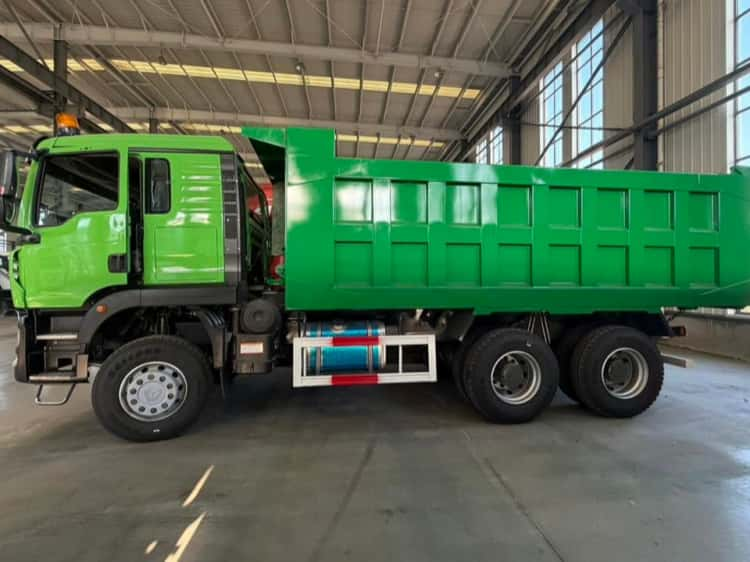
Conclusion
Procurement risk in the heavy remanufactured trucks market is largely created by lack of shared standards and transparency. From REMAN ROAD’s viewpoint, standard remanufacture transforms the purchasing process from a high-risk gamble into a controlled, auditable transaction.
By fixing definition confusion, screening unsafe cores, building traceable records, formalizing warranty liability and enabling accurate TCO planning, standard remanufacture protects fleet buyers from the most common and expensive procurement pitfalls. For global fleet operators, the standard is not only a quality benchmark, but also a practical risk-mitigation tool for bulk remanufactured trucks procurement.