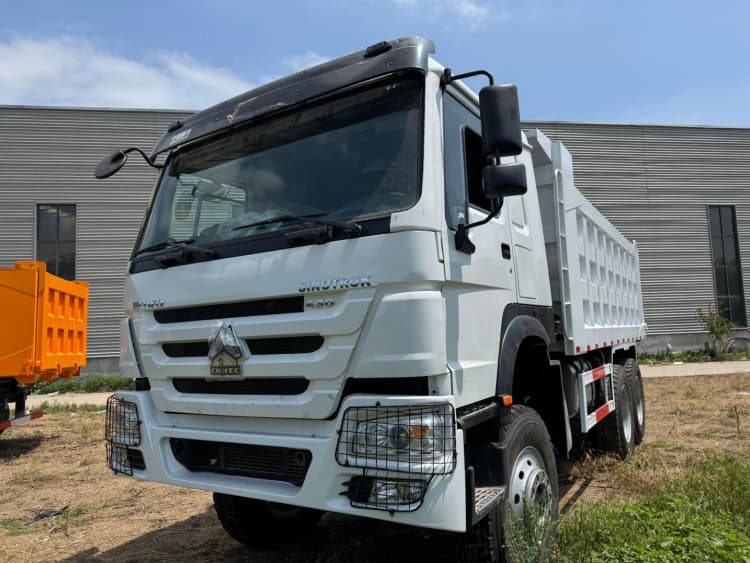
The Difference Between Self-Certification and Independent Remanufacturing Certification
Introduction
When sourcing standard reman trucks, fleet buyers often encounter two types of certification: factory self-certification and independent third-party remanufacturing certification. Many mistakenly treat them as equivalent proof of quality.
Self-certification means the remanufacturers assesses and signs off its own work. Independent remanufacturing certification means an external, impartial organisation conducts audits and verification. Their credibility, audit rules and risk protection differ greatly. This article clarifies the core distinctions.
Definition of Self-Certification
Self-certification (factory certification) is a statement issued by the remanufacturing factory itself.
- The factory performs all inspections, testing and documentation in-house, then issues a certificate declaring the truck meets its internal reman standard.
- All inspectors, test equipment and acceptance criteria belong to the producer.
- It can still contain NDT records, dynamometer curves and VIN-linked test data.
- Limitation: The factory is both the producer and the judge. There is inherent conflict of interest.
Suitable scenario
Internal reman factory quality control, internal batch management, or low-risk small purchases where the buyer already has on-site audit capability.
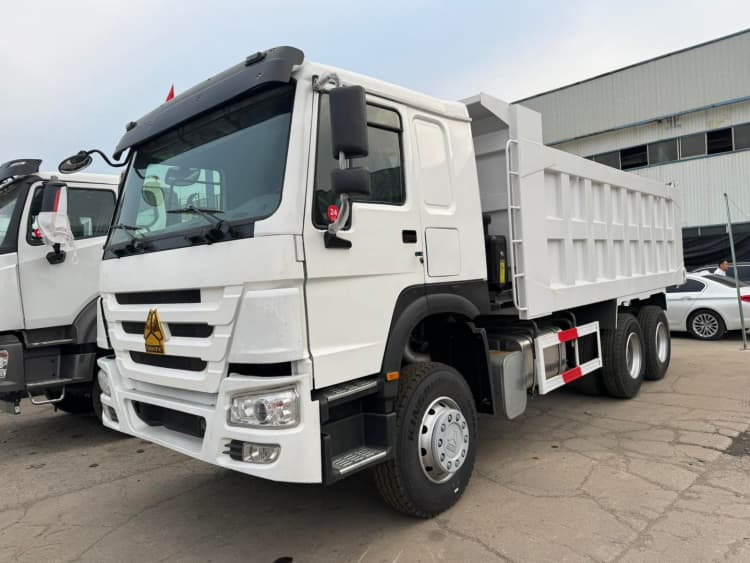
Definition of Independent Remanufacturing Certification
Independent remanufacturing certification is performed by a neutral third-party organisation, with no ownership or commercial ties to the reman factory.
- The auditor reviews the reman workflow, sampling or full-unit inspection, verifies raw test records, calibrates equipment and cross-checks NDT, bench test and core screening data.
- The third party signs the remanufacturing certification report and takes audit responsibility.
- The remanufacturing factory cannot alter the audit result to pass non-compliant assets.
- It follows agreed standards such as ISO 10987-2.
Suitable scenario
Cross-border fleet procurement, large batch orders, ESG reporting, bank financing and high-risk harsh-environment projects (Africa mining, remote construction sites).

Core Comparison Dimensions
Objectivity & Conflict of Interest
- Self-certification: Remanufacturers judges its own output. Pressure to pass production units may lead to relaxed acceptance thresholds.
- Independent certification: External auditor. No commercial incentive to approve non-conforming trucks; stricter enforcement of standard pass/fail rules.
Audit Scope & Verification Method
- Self-certification: 100% in-house inspection. The remanufacturers controls which test data to include in the dossier.
- Independent certification: Two common forms:
- System audit: Audit the factory’s entire remanufacturing processing, SOP, equipment calibration and training.
- Product audit: Physical inspection and sampling / full inspection of finished reman trucks, rechecking NDT reports and bench test raw data. Auditors may randomly select units for re-testing.
Document Credibility & Traceability
- Self-certification: Documents are generated internally. It is harder for buyers to verify whether test data has been modified.
- Independent certification: Third-party maintains its own audit log. The remanufacturing certification number can be cross-verified on the auditor’s system, reducing fake certificate risk.
Liability & Warranty Boundary
- Self-certification: Liability stays fully with the remanufacturing factory. If the certificate statement is false, the buyer can only claim against the factory.
- Independent certification: The third auditor bears professional liability for its audit conclusion. If the auditor negligently approves non-compliant assets, the buyer has an additional legal recourse.
Important: Independent certification does not replace the remanufacturers’s product warranty for reman defects. Warranty still belongs to the remanufacturer.
Acceptance for Cross-Border & ESG Use
- Self-certification: Some customs, financiers and ESG auditors may reject it as insufficient proof.
- Independent certification: Widely recognised for cross-border procurement, bank asset financing and ESG carbon reporting.
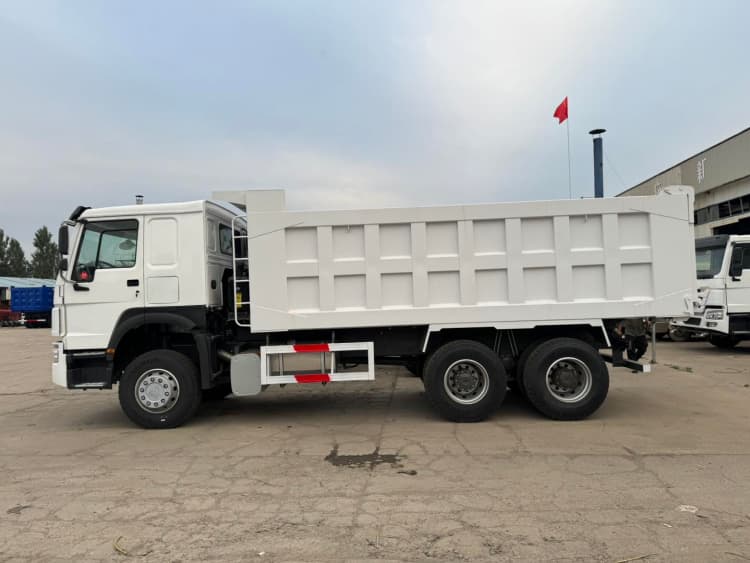
What Self-Certification Can and Cannot Prove?
- Can prove: The remanufacturing factory followed its own internal procedures and recorded in-house test results.
- Cannot prove: An impartial external party has validated compliance with global reman standards.
- Cannot eliminate the risk of selective reporting or loose internal acceptance criteria.
What Independent Certification Can and Cannot Prove?
- Can prove: Neutral external verification of reman workflow and product test records. Greatly reduces fake reman / refurbished misrepresentation risk.
- Cannot guarantee zero failure in later operation. It verifies compliance at delivery; it does not eliminate risks caused by improper operation, overload or poor field maintenance.
Common Market Misconceptions
- Myth: A certificate is a certificate, self-certified and third-party certified have equal value. Fact: Self-cert is factory self-declaration. Independent remanufacturing certification adds impartial external oversight. For cross-border fleet buyers, the difference directly impacts risk exposure.
- Myth: Independent certification means the truck will never break down. Fact: It confirms the asset meets reman standard at handover. Wear and tear under harsh operating conditions still require regular maintenance.
- Myth: Self-certified always means low-quality fake reman. Fact: Well-managed factories can produce reliable self-certified reman trucks, The risk is lack of external oversight. The problem arises when reman factory use self-certification to disguise refurbishment as reman.

Procurement Recommendation for Fleet Buyers
- Small trial order: Self-certification is acceptable, but buyers must reserve the right to perform third-party PSI inspection before shipment.
- Large batch / high-risk African off-road projects: Prioritise independent remanufacturing certification.
- Contract clause tip: Clearly define whether the certification is factory self-cert or third-party independent certification. Specify the accredited organisation, standard reference (ISO10987-2) and audit scope.
- Even with independent certification, still review the full reman dossier including NDT, dynamometer and core screening records.
Conclusion
Self-certification is the factory’s own declaration of compliance, while independent remanufacturing certification relies on neutral external auditors to verify the workflow and product performance.
Self-certification costs less but carries higher trust risk for cross-border buyers. Independent certification adds impartial oversight, improves document credibility for customs, financing and ESG reporting, and reduces the risk of refurbished vehicles being falsely marketed as reman. Fleet buyers should clarify certification type in procurement contracts and match the certification level with project risk.