
Scientific Fleet Procurement: Matching Remanufactured Vehicles to Project Cycles
Introduction
Many fleet operators make a common procurement mistake: selecting vehicle assets based only on upfront purchase price, without aligning asset service life with project cycle. Buying brand-new trucks for a 2-year short-term project traps large capital in rapid depreciation. Purchasing low-grade refurbished trucks for a multi-year heavy-duty project leads to frequent breakdowns and soaring downtime losses.
certified remanufactured vehicles provide a flexible middle option. Scientific fleet procurement requires matching standard reman asset grade, duty specification, warranty term and residual value profile to the exact project timeline. This page breaks down how to classify project cycles, select corresponding certified remanufactured vehicles specifications, build CAPEX plans and avoid asset-cycle mismatch risks.
Core Matching Principle: Align Asset Economic Life With Project Duration
Match the usable economic life of reman assets to project cycle, not physical service life: Physical life and economic life of heavy vehicles are two separate concepts for fleet asset planning.
- Physical life: Maximum possible operating hours before the vehicle reaches irreversible material fatigue, which is usually very long.
- Economic life: The period where total operating cost stays within the acceptable threshold before maintenance cost and failure risk rise sharply.
- Core rule: The economic life of the selected standard remanufactured vehicles should cover the full project cycle, with a reasonable safety margin.
- Avoid two mismatches: Assets outlive the project (wasted residual value and unnecessary high procurement cost); assets expire before project ends (unplanned asset replacement and project interruption).
REMAN ROAD certified remanufactured vehicles have predictable economic life curves, enabling quantitative matching instead of subjective guesswork.
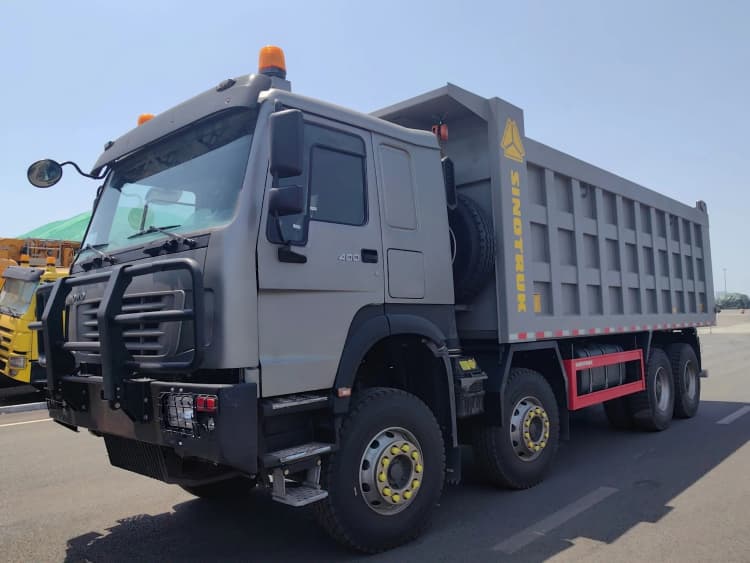
Short-Term Project (0–2 Years): Light & Medium-Duty Reman Vehicles
Control upfront capital, with reliable performance for limited-duration assignments: Typical scenarios: short-term infrastructure subcontracting, temporary quarry operation, emergency site haulage, seasonal logistics.
- Project characteristics: Fixed short timeline, fast mobilization requirement, low expectation of residual value retention after project completion. CAPEX budget is tight.
- Remanufactured vehicles selection: Medium baseline reman standard, matched to site load. No over-upgraded heavy-duty components unless site is mining off-road.
- QA & test requirement: Full REMAN ROAD baseline process (full disassembly, NDT, bench and road test). No mandatory extended heavy-load cyclic testing unless site conditions demand it.
- Warranty matching: Select 12–24 month warranty, covering the whole project duration.
- Exit strategy: After project completion, certified remanufactured vehicles can be resold or redeployed to other short-cycle projects.
- Risk warning: Do not use low-cost non-certified refurbishment to save budget. Short projects cannot afford sudden breakdowns that halt site progress.
Medium-Term Project (2–5 Years): Severe-Duty Certified Reman Assets (Most Common Fit)
Balanced CAPEX, stable reliability and predictable residual value for core project fleets: Typical scenarios: mining operation, large highway construction, long-term regional material transport, cross-border infrastructure projects. This is the sweet spot for certified reman heavy trucks.
- Project characteristics: Continuous heavy load, high downtime penalty, defined 2–5 year timeline, relatively stable site working conditions. Asset downtime directly causes massive project economic loss.
- Remanufactured Vehicles selection: REMAN ROAD full certified reman, with duty adaptation according to site (off-road mining / mixed road / highway). Upgrade critical assemblies for severe duty if required.
- QA & test requirement: Full baseline workflow plus extended bench testing, cyclic load simulation matching site working cycles. Complete VIN traceability dossier for tender and ESG audit.
- Warranty matching: 24–60 month structured warranty, focused on powertrain, frame and brake assemblies.
- Exit strategy: At project end, assets retain meaningful residual value. They can be redeployed to secondary projects or resold to other fleets.
- Financial advantage: Compared with new trucks, certified remanufactured vehicles avoids the steep initial depreciation. Compared with ordinary overhauled trucks, it eliminates unpredictable breakdown risk over the multi-year cycle.
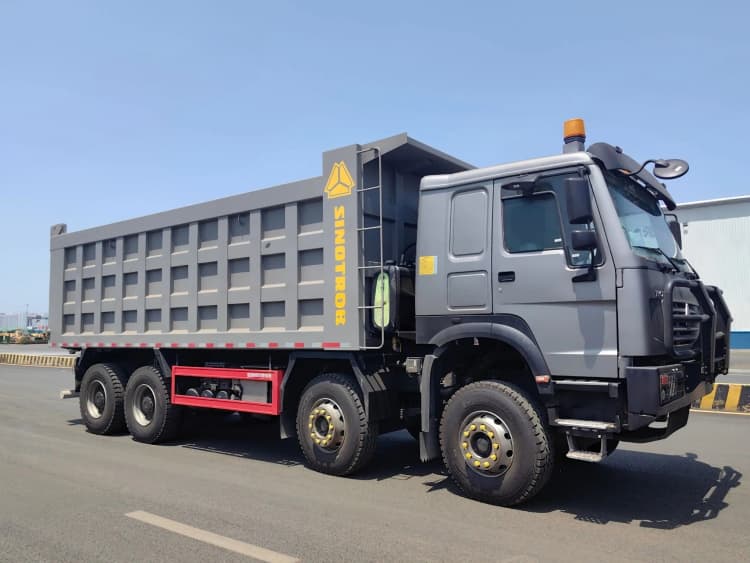
Long-Term Project (Over 5 Years): Hybrid Fleet Strategy, Selective Reman Deployment
Combine new OEM trucks and premium remanufactured vehicles for long-running fixed sites: Typical scenarios: permanent mine operation, long-distance dedicated logistics lines, municipal fixed fleets.
- Project characteristics: Long continuous operation, stable maintenance workshop, long asset holding cycle, strict long-term reliability requirements.
- Remanufactured Vehicles selection: Premium high-grade REMAN ROAD certified remanufactured vehicles, only for secondary fleets, backup trucks and fleet renewal expansion. Core prime haulage assets are usually new OEM trucks.
- QA & test requirement: Full certified remanufactured vehicles with strict NDT and extended durability testing. Component selection must meet long-cycle fatigue resistance requirements.
- Warranty matching: Longer base warranty plus optional extended maintenance contract.
- Exit strategy: Planned asset rotation, after 4–5 years certified remanufactured vehicles can be cascaded to shorter-cycle secondary projects.
Duty Grade Adjustment Within The Same Project Cycle Category
Project duration is not the only factor; working conditions modify asset specification: Even with identical project length, site load and environment change reman selection requirements.
- Same 3-year medium project: open-pit mining requires severe-duty reman specification; paved highway transport only needs medium-duty standard reman.
- Environmental factors: highland, high temperature, coastal corrosion require extra protective upgrades regardless of project cycle length.
- Procurement contract requirement: The reman manufacturer must document project cycle and duty grade in traceability files, to avoid delivery of under-spec vehicles.
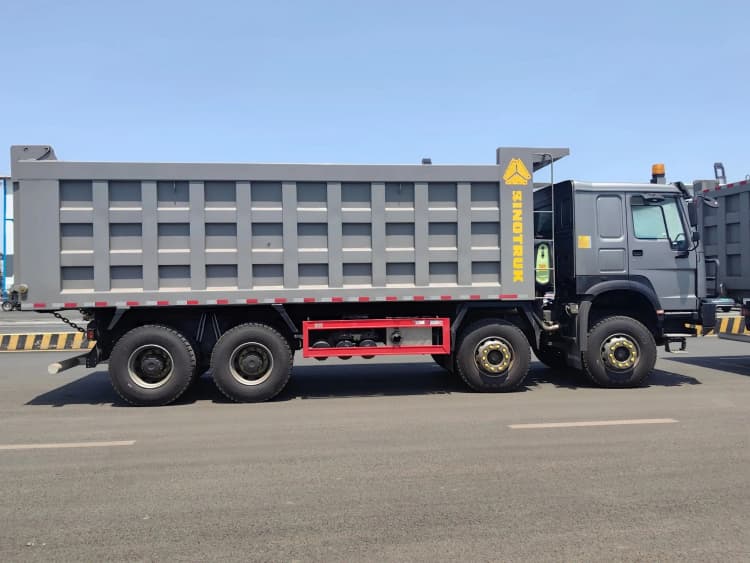
Financial Modelling: Project Cycle Drives TCO Calculation
Project timeline changes ROI comparison between new, used and reman vehicles:
- Short-cycle projects: New truck’s heavy first-year depreciation dominates TCO, certified reman delivers the best ROI.
- Medium-cycle projects: Certified reman shows strongest overall advantage. The premium paid for certification is offset by reduced downtime and maintenance expense.
- Long-cycle projects: New trucks gain advantage in late-stage reliability and full OEM warranty, but certified remanufactured vehicles can still be used for fleet scaling with controlled CAPEX.
Financial teams should model TCO based on project end date, planned asset holding period, projected downtime cost and residual value at exit.
Common Mismatch Risks Between Project Cycle & Reman Assets
Typical procurement errors that cause budget overrun or project interruption:
- Short project + new trucks: Massive capital locked in assets, heavy depreciation loss at project handover.
- Medium heavy-duty project + cheap refurbished vehicles: Frequent breakdowns, high downtime penalties, huge unplanned maintenance cost.
- Long core operation + standard reman without fatigue upgrade: Accelerated component aging, unexpected failures in later project phase.
- Over-specification: Purchasing mining-grade heavy-duty reman for simple highway short haul, unnecessary extra procurement cost.
- No exit planning: No pre-defined asset resale or redeployment plan at project completion, reducing residual value recovery.
Procurement Checklist for Cycle-Matched Reman Selection
Step-by-step checklist for fleet procurement teams:
- Confirm exact project timeline, planned vehicle holding period and penalty cost for downtime.
- Define site working conditions: load, road type, slope, climate and daily operating hours.
- Select certified remanufactured vehicles grade and duty specification matching cycle and site.
- Confirm warranty coverage fully covers the entire project duration.
- Require reman manufacturer to provide projected economic life and residual value estimate for the selected remanufactured vehicles.
- Embed project cycle and duty requirements into RFQ and contract, reference REMAN ROAD standard.
- Plan post-project asset exit strategy (resale / redeployment) before purchase.
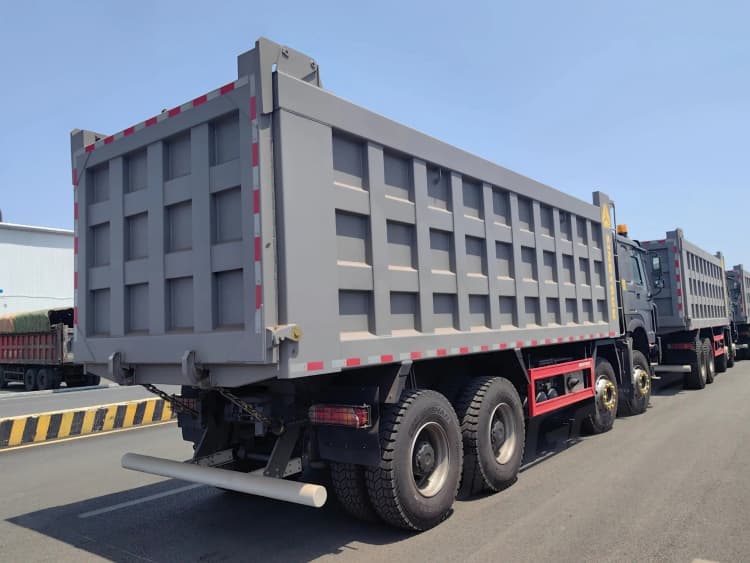
Conclusion
Scientific fleet procurement is not simply choosing the cheapest available truck. It is a matching exercise between reman asset economic life, duty specification, warranty and project cycle. Short-term projects benefit from certified reman to minimise CAPEX; medium-term heavy projects are the most ideal application scenario for REMAN ROAD certified reman remanufactured vehicles; long-term permanent operations adopt a hybrid fleet model combining new OEM trucks and premium remanufactured vehicles. Mismatch between asset specification and project timeline creates either wasted capital or costly downtime risk. For fleet decision-makers, integrating project cycle analysis into reman procurement delivers predictable TCO and protects project cash flow.
One Comment