Basic Qualified Remanufacturing Knowledge for Fleet Decision-Makers
Introduction
Fleet decision-makers carry heavy responsibilities: controlling capital expenditure, cutting downtime losses, managing asset depreciation, meeting tender requirements and reducing long-term maintenance risk. Many procurement teams lack systematic reman knowledge about heavy vehicle remanufacturing. Misunderstanding between qualified remanufacturing, simple refurbishment and ordinary repair often leads to wrong purchasing choices, unexpected breakdowns, wasted budget and asset value loss.
This page builds a practical, easy-to-use reman knowledge framework for fleet leaders. It covers core concepts, judgement criteria, cost logic, documentation checklist and common market traps. The goal is to equip fleet decision-makers with the foundational reman knowledge to evaluate reman assets independently and avoid misleading marketing claims.
Core Definition: What Counts as Qualified Remanufacturing
The first basic reman knowledge point is mastering the formal definition of qualified remanufacturing, which serves as the baseline for all subsequent evaluation.
- Qualified remanufacturing is an industrial asset regeneration process on a reusable core vehicle. The whole truck is fully disassembled down to individual components.
- Every part undergoes cleaning, measurement, inspection and classification. Worn parts are either precision machined or scrapped. Safety consumable components must be replaced unconditionally.
- Reassembled subassemblies pass bench testing, and the finished vehicle completes comprehensive loaded road testing. The final performance is restored to near original factory specification.
- The whole industrial remanufacturing workflow is recorded and stored in a traceability system and can be audited by third-party inspectors.
- Key reminder: Partial overhaul, surface repainting and fault repair do not qualify as qualified remanufacturing.
Core Distinctions: Reman / Refurbishment / Ordinary Repair / Used Truck
Confusing these four asset types is the most frequent mistake fleet buyers make. Clear differentiation helps avoid being misled by market descriptions.
- Remanufactured truck: Full disassembly, quantitative tolerance inspection, mandatory safety parts renewal, bench + road testing, full traceability, lifecycle reset. Target: restore asset performance.
- Refurbished truck: Mostly cosmetic work and partial component replacement. No full teardown. Focus on appearance and fixing obvious faults. No standardized performance reset.
- Ordinary repair: Only fix known breakdowns. Keep most old components even if they are approaching wear limits. Warranty only covers the repaired part.
- Used second-hand truck: Retains all original accumulated wear and fatigue. Its remaining service life is unknown; quality fully depends on previous operating conditions.
Key Evaluation Dimensions When Screening Remanufactured Truck
Fleet decision-makers should evaluate reman truck from six practical dimensions instead of only comparing quoted selling price.
- Core source screening: Whether the incoming core passed NDT non-destructive inspection for frame and load-bearing parts; whether damaged cores are eliminated at the start.
- Workflow depth: Confirm if full disassembly is completed, not just partial disassembly of engine or chassis.
- Component replacement rules: Check the mandatory replacement list of safety parts such as bearings, seals, brake components and rubber hoses.
- Testing records: Verify engine bench test data, braking system test results and finished vehicle loaded road test reports.
- Traceability archive: Check if there is a unique asset ID linking all inspection logs, photos and test curves.
- Certification: Confirm whether internal QC release and third-party audit documents are available.
Shift Mindset: From Upfront Price Comparison to Total Cost of Ownership (TCO)
Most traditional procurement habits focus on immediate purchase cost. Reman truck evaluation requires a mindset shift to full-lifecycle economic calculation.
- Upfront price is only one factor. Decision-makers also need to calculate maintenance expense, downtime risk, warranty coverage, depreciation rate and residual value at disposal.
- New trucks suffer heavy depreciation in the first 2–5 years, which is the biggest hidden cost for mid-term project fleets.
- Uncertified low-price refurbished trucks may have low purchase cost, but high unplanned maintenance and downtime losses.
- Qualified remanufacturing balances acquisition cost, reliability and residual value, especially for fleets with 2–5 year holding cycles.
Must-Check Document Checklist Before Procurement
Fleet procurement teams should build a fixed document checklist for remanufactured truck due diligence. A single certificate alone is insufficient.
- Incoming core inspection and NDT non-destructive testing report
- Full disassembly and component inspection logs
- List of replaced critical spare parts with batch and certification information
- Powertrain bench test curves and data records
- Finished vehicle static inspection and loaded road test report
- Internal reman release certificate
- Third-party audit / pre-shipment inspection report (for cross-border procurement)
- Full traceability access link or asset archive
- Formal warranty agreement with clear scope and term
Common Market Misconceptions Fleet Leaders Need To Avoid
Misleading marketing language creates many false assumptions. These are the most widespread misconceptions.
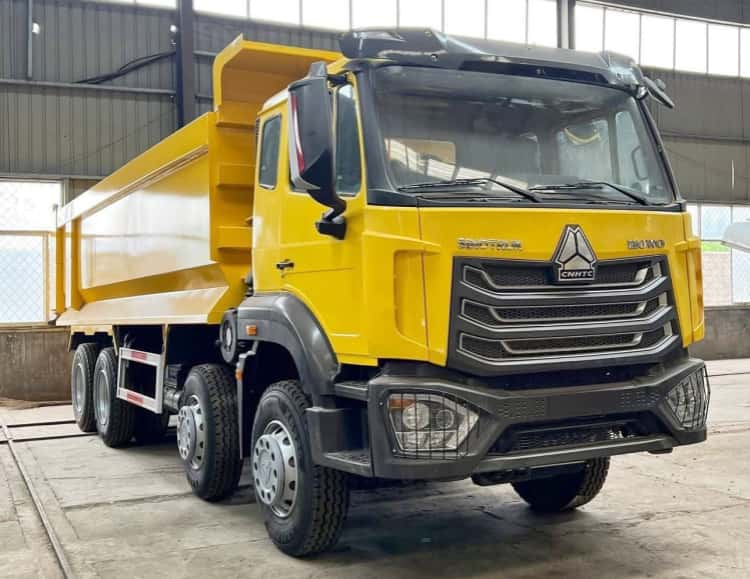
- ❌ Misconception 1: Nice paint and clean appearance means it is remanufactured. Surface cosmetic work only shows exterior condition and tells nothing about internal component renewal or testing.
- ❌ Misconception 2: A simple certificate proves genuine reman. Certificates without underlying test data can be decorative; always verify supporting raw records.
- ❌ Misconception 3: If the truck can start and drive, it meets reman standards. Basic operability is far below reman requirements. Bench testing and full performance verification are mandatory.
- ❌ Misconception 4: Remanufactured truck are just “expensive used trucks”. Qualified remanufacturing resets asset lifecycle with standardized industrial remanufacturing workflow, which is fundamentally different from ordinary second-hand vehicles.
ESG & Tender Value of Qualified Remanufacturing
Qualified remanufacturing deliver extra value for fleets participating in international tenders and ESG reporting.
- Qualified remanufacturing greatly reduces raw material consumption, ore use and carbon emissions compared with manufacturing brand-new heavy trucks.
- Complete traceability and test records provide quantifiable carbon saving evidence for tender documents and ESG disclosure.
- Many global contractors and public projects add circular economy scoring criteria; certified remanufactured truck can bring green procurement advantages in bidding.
How to Set Internal Fleet Procurement Rules for Remanufactured Truck?
After mastering basic reman knowledge, fleet decision-makers can establish internal procurement rules to standardize future purchases.
- Define clear acceptance criteria: Only accept remanufactured assets with full disassembly records, bench test data and traceable archives.
- Set up third-party inspection requirements for bulk procurement.
- Build a dedicated reman file library and retain traceability records for the whole holding period.
- Clarify warranty assessment and claim process before signing purchase contracts.
- Classify reman assets independently in asset accounting, separate from ordinary used vehicles.
Conclusion
Building solid reman knowledge helps fleet decision-makers break through information asymmetry and avoid costly procurement mistakes. The core logic is simple: judge by workflow depth, measurable test data and traceable records, not appearance or marketing description.
For mid-term project fleets and multinational contractors, qualified remanufacturing provide a balanced TCO solution. When procurement teams master the definitions, evaluation criteria and document checklist, they can select qualified remanufactured truck confidently, control downtime risk and unlock the economic and ESG benefits of circular fleet assets.