
Traceable Reman Asset Management Financial Benefits
Introduction
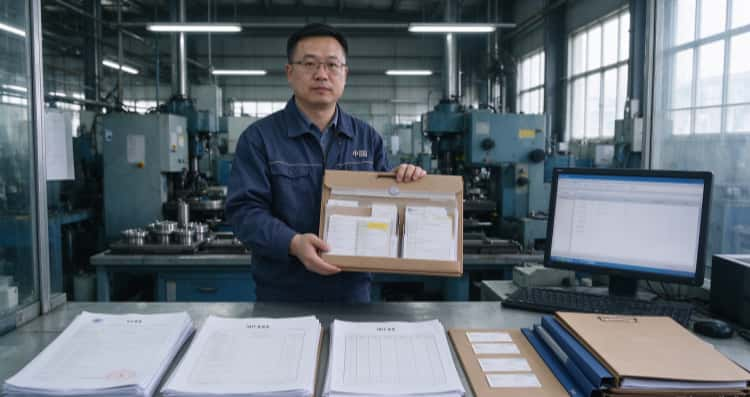
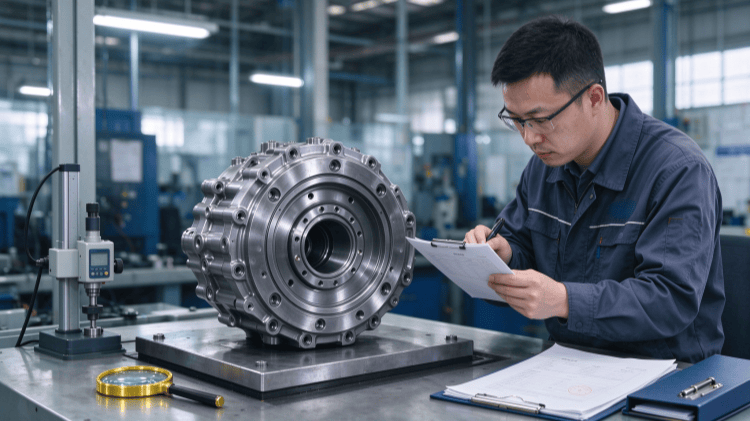
Many fleet operators treat remanufactured vehicles as standalone purchase items, rather than managed assets with full lifecycle traceability. Traceable reman asset management means every reman truck carries a complete, serial-number-linked digital paper trail: core inspection records, NDT test results, parts replacement logs, assembly data, bench performance reports, service history and warranty documentation.
This remanufacturing traceable system is not merely a compliance feature; it delivers measurable financial gains across procurement, maintenance, budgeting, risk control, depreciation accounting and asset resale. This article breaks down the core financial benefits of traceable reman asset management for commercial fleets.
Accurate Asset Valuation & Depreciation Accounting
Remanufacturing traceable records eliminate guesswork when calculating asset book value and depreciation.
- Every remanufactured vehicles has clear proof of work scope, component renewal and quality grade. Finance teams can calculate realistic depreciation schedules instead of relying on rough estimates used for undocumented used trucks.
- Audit-ready documentation supports corporate accounting and tax reporting. The asset’s true remaining useful life can be justified with objective evidence.
- Avoid over or under-estimating residual value during financial forecasting. Undocumented used trucks often force finance teams to apply heavy conservative discounts, inflating projected lifecycle costs unnecessarily.
- When multiple remanufactured vehicles are held in the fleet portfolio, traceable data enables differentiated valuation based on each unit’s actual reman standard, rather than grouping all pre-owned trucks into one generic low-value bucket.
Optimized Maintenance Budget & Reduced Unplanned Expenditure
Traceable reman data enables data-driven maintenance planning.
- Maintenance teams reference the exact list of renewed components and original core wear data to build customized service schedules for each truck.
- Predictive wear monitoring becomes feasible: technicians know which assemblies were remachined, which parts are brand-new and which components retain original service limits.
- Reduces surprise major failures. Hidden defects are documented and eliminated during remanufacturing; traceability confirms which components have been fully renewed.
- Eliminates wasteful over-maintenance: fleets avoid replacing parts that have already been renewed in the reman process, cutting unnecessary spare parts inventory and labor expense.
Faster, Simpler Warranty Claims & Lower Risk Exposure
Full remanufacturing traceable streamlines warranty administration and reduces dispute-related financial losses.
- When a component failure occurs, inspectors can quickly pull original reman records to verify whether the failed part falls under warranty coverage.
- Serial number matching links failures directly to reman production batches. If a recurring defect appears, suppliers can identify root causes rapidly and settle claims without lengthy disputes.
- Reduces legal and administrative costs of warranty negotiation. Complete documentation prevents sellers from denying valid claims due to lack of proof of reman workmanship.
- Provides clear risk segmentation: fleet managers can understand which parts are covered, which are original retained components, and set aside contingency funds accordingly.
Improved Residual Value & Better Liquidity at Asset Disposal
Remanufacturing traceable is one of the strongest drivers of resale value for remanufactured vehicles.
- Prospective buyers for second-hand reman trucks can review the full reman workflow records, test certificates and parts replacement lists. This removes uncertainty and reduces the large “unknown history” risk discount applied to ordinary used trucks.
- Fully documented remanufactured vehicles sell faster, reducing idle holding time while waiting for buyers. Extended holding periods carry extra parking, insurance and maintenance overhead.
- Traceable reman records allow fleets to market remanufactured vehicles at a fair premium over unrefurbished used trucks at the end of the holding cycle, directly lowering net total cost of ownership.
- Buyers can transfer the asset’s traceable file along with the truck, preserving value through multiple ownership cycles.
Data-Driven Fleet Procurement & Portfolio ROI Analysis
Centralized traceable reman records support strategic fleet purchasing decisions.
- Fleets can compare real-world performance, failure frequency and TCO across different reman suppliers, models and core grades.
- Historical data reveals which core sources or reman process variants deliver the best ROI, guiding future procurement budgets and supplier selection.
- Capital allocation becomes more precise: finance teams can quantify the return of investing in certified reman traceable versus new or ordinary used trucks.
- Avoid repeating bad procurement decisions: records flag poor-performing cores or suppliers so the fleet does not purchase similar high-risk assets again.
Lower Insurance & Compliance-Related Financial Costs
Traceable reman documentation supports insurance and regulatory compliance.
- Insurers may offer more reasonable premium rates for traceable reman asset, as verified quality records reduce perceived risk of sudden mechanical failure.
- Safety and emission inspection records are stored with the asset file. This simplifies regulatory audits and avoids fines from incomplete vehicle documentation.
- In the event of an accident, complete maintenance and reman records help clarify mechanical liability, protecting the fleet from unjustified large compensation claims caused by ambiguous vehicle condition.
Conclusion
Traceable reman asset management turns remanufactured vehicles from vague pre-owned assets into fully documented, quantifiable items on the fleet balance sheet. Its financial benefits cover accurate depreciation accounting, predictable maintenance budgets, streamlined warranty claims, higher residual resale value, data-backed procurement decisions and reduced insurance & compliance risk.
For fleets managing a rotating asset portfolio, remanufacturing traceable is not just a quality control add-on — it is a financial tool that lowers total lifecycle cost and improves return on fleet investment.
One Comment