
Scenario-Based Customized Reman: Outperforming Generic New Equipment in Complex Working Condition
Overview
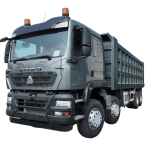
Most factory-new heavy equipment is mass-produced with universal, standard-calibrated configurations designed for average road and construction conditions. While reliable for conventional scenarios, generic new trucks often face performance attenuation, poor adaptability, and accelerated wear in extreme and complex environments—including high-altitude plateaus, dusty mining zones, steep mountain slopes, and continuous heavy-load haulage sites. Different from fixed-spec new equipment, certified remanufacturing supports full-scenario technical customization during the industrial rebuilding process. Scenario-based customized reman technology optimizes structures, powertrain parameters, protection systems and braking performance for on-site harsh conditions. This targeted engineering makes tailored reman assets more site-adaptive, durable and efficient than generic new equipment in complex global project environments.
Table of Contents
Related Articles
- What is Remanufacturing?
- Remanufactured vs Refurbished vs Overhaul
- Common Myths of Reman Equipment
- Core Principle of Certified Remanufacturing: Restoring Like-New OEM Performance
- Why Remanufacturing Is the Future of the Heavy Equipment Industry?
- Why Certified Reman Assets Dominate Global 2–5 Year Mid-Term Projects?
- Scenario-Based Customized Reman: Outperforming Generic New Equipment in Complex Working Condition
Core Limitations of Generic Factory-New Equipment
Mass-produced new heavy vehicles follow unified factory design templates and cannot be dynamically adjusted according to differentiated site conditions, resulting in inherent drawbacks for complex projects.
Fixed universal calibration
- New trucks retain factory default engine torque, gear ratio, fuel injection parameters and braking settings, which cannot match extreme working condition demands.
Standard protection configuration
- Original sealing, heat dissipation, dustproof and undercarriage structures are designed for ordinary environments, failing to resist long-term dust erosion, altitude hypoxia and slope load impact.
Long custom lead time
- Official factory personalized modification requires long production cycles and customized order scheduling, unable to meet rapid mobilization of mid-term projects.
High idle performance waste
- Over-designed universal configurations cause redundant performance waste in partial scenarios and increased comprehensive fuel consumption and operating costs.
For complex global engineering and mining sites, generic new equipment is “standard but not targeted”, leading to insufficient site adaptability.
Core Advantages of Scenario-Based Customized Reman Technology
Certified remanufacturing is a flexible industrial regeneration system. It does not simply restore original factory settings, but carries out targeted technical upgrades and scenario calibration according to actual site working conditions, realizing one-to-one customized matching.
High-Altitude Environment Customization (Plateau & Hypoxia Zones)
High-altitude regions feature low air pressure, oxygen deficiency and low temperature, which cause insufficient engine power, poor combustion efficiency and weakened braking performance for standard new trucks.
- Reman technicians recalibrate engine fuel injection and turbocharging parameters to adapt to hypoxic combustion and restore power output.
- Upgrade cold-start auxiliary systems and low-temperature resistant sealing components to avoid startup failure and oil leakage in low-temperature environments.
- Optimize braking gas supply and assist systems to solve insufficient braking force caused by low air pressure.
Customized reman assets maintain stable power and operational efficiency at high altitudes, outperforming generic new trucks with fixed factory calibration.
Heavy-Dust & Harsh Environment Customization (Mining & Quarry Sites)
Open-pit mines and quarry sites feature high dust concentration, serious particle erosion and frequent component abrasion, which easily cause filter blockage, hydraulic system failure and accelerated aging of core parts for standard equipment.
Install enhanced multi-stage dust filtration systems and fully enclosed protective coverings to block dust from entering engines and hydraulic pipelines.
Upgrade wear-resistant lining plates, reinforced seals and anti-corrosion coatings for chassis and structural components.
Optimize heat dissipation pipelines to prevent overheating failure caused by dust blockage of original heat dissipation systems.
The customized dust-proof and anti-wear system greatly reduces downtime and maintenance frequency, solving the pain point of rapid aging of generic new equipment in mining environments.
Steep Slope & Complex Terrain Customization (Mountain & Ramp Haulage)
Mountainous construction and steep slope mining require frequent climbing, descending and heavy-load braking, which easily leads to brake overheating, gearbox fatigue and vehicle sliding risks for standard new vehicles.
- Adjust transmission gear ratio and torque output logic to enhance climbing power and slope adaptation.
- Upgrade auxiliary braking retarder and heat dissipation system to avoid brake failure during continuous downhill operation.
- Reinforce suspension and load-bearing structural parts to improve vehicle stability under frequent slope impact.
Customized slope-adaptive configurations make reman equipments safer and more stable than standard new trucks in long-term steep-cycle operation.
Continuous Heavy-Load Working Condition Customization
Long-cycle heavy-load mining haulage requires continuous overload operation, while generic new equipment is restricted by universal fatigue design and prone to performance attenuation.
- Strengthen key load-bearing components and replace high-strength wear-resistant parts to improve overall fatigue resistance.
- Recalibrate powertrain matching to adapt to long-term heavy-load output and reduce power attenuation.
- Optimize hydraulic system pressure parameters to ensure stable output under continuous heavy-load impact.
Fundamental Difference: Customized Reman vs Generic New Equipment
Although traditional second-hand and refurbished equipment has low upfront costs, it cannot meet the standardized risk control requirements of formal mid-term projects.
Design logic difference
- Generic new equipment is designed for “universal average working conditions”;
- Customized remanufacturing is rebuilt for “specific on-site extreme conditions”.
Performance matching difference
- New equipment can only passively adapt to the site.
- Customized remanufacturing actively upgrades configurations to fit the site.
Environment resistance difference
- Customized anti-dust, anti-low-temperature and anti-slope structures enable reman equipments to have stronger environmental tolerance than standard new vehicles.
Cost efficiency difference
- Customized remanufacturing avoids performance redundancy and unnecessary consumption of universal new equipment, with lower fuel consumption and maintenance costs.
Delivery efficiency difference
- Customized reman upgrades are completed in the factory rebuilding stage with fast delivery.
- New equipment official customization requires long production and scheduling cycles.
Project-Level Value of Scenario-Customized Reman
Improve on-site operational stability
- Targeted upgrades eliminate environment-induced failures and reduce unplanned downtime in complex scenarios.
Reduce full-cycle maintenance costs
- Enhanced wear resistance and environmental adaptability extend component service life and lower frequent replacement costs.
Shorten project mobilization cycle
- Finished customized reman assets support rapid fleet deployment without waiting for factory custom production.
Optimize full-lifecycle TCO
- Higher site adaptability, lower failure rate and balanced upfront cost create the best economic solution for complex mid-term projects.
Support refined fleet management
- Scenario-matched configurations enable precise operation scheduling and maintenance planning for targeted working conditions.
Industry Trend: Customized Reman Becomes Complex Site Standard Solution
Global engineering and mining projects are increasingly expanding to remote, high-altitude, mountainous and harsh mining areas. The traditional “one-spec-fits-all” generic new equipment can no longer meet refined construction demands.
Scenario-based customized remanufacturing realizes equipment customization centering on project working conditions. It breaks through the configuration limitations of mass-produced new vehicles, achieves higher site adaptability and operational stability in complex environments, and has become a differentiated competitive advantage for professional fleet asset allocation.