
Collective Industry Initiatives: Collaborate to Upgrade Truck Reman Market Trust
Intro
Trust is the biggest bottleneck limiting the growth of the heavy truck reman market. Individual reputable suppliers can enforce strict internal standards, but bad actors continue to exploit ambiguous terms, fake certificates and cosmetic-only rebuilds. Poor market reputation hurts every serious player: buyers become hesitant to invest in reman trucks, treat all “reman” offers as high-risk, and default to either expensive new trucks or unregulated cheap second-hand units.
Change cannot be achieved by one brand alone. Collective industry initiatives bring together multiple stakeholders: remanufacturers, fleet associations, independent inspection firms, clearing agents, insurance providers and local regulatory authorities. REMAN ROAD supports this collaborative approach, with its own third-party verified workflow, VIN traceability and duty-class framework as a practical contribution to shared industry benchmarks. This article explains how joint industry action rebuilds trust for truck reman market.
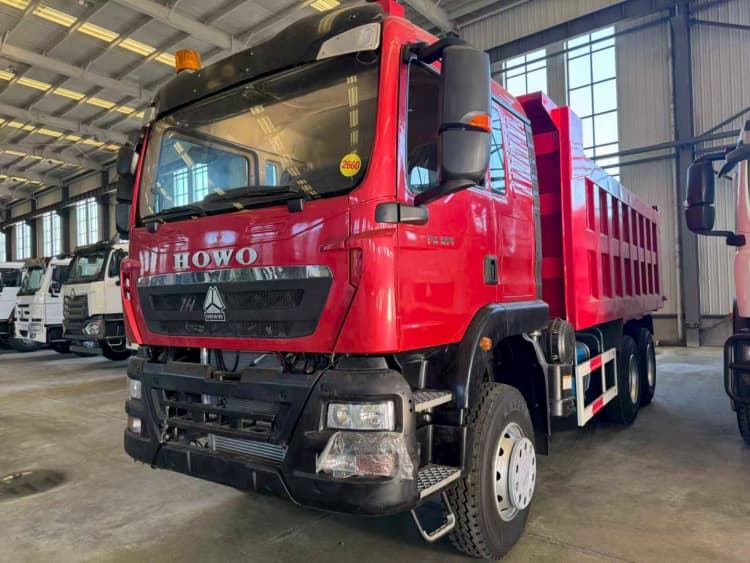
Unified glossary to eliminate definition confusion
The first joint deliverable is a shared, agreed glossary. The industry collectively defines remanufacturing, overhaul, refurbishment, repair and used core. The document clearly separates scope requirements: full disassembly, mandatory NDT, dynamometer testing and traceability requirements for genuine reman, versus limited service work for overhaul or repair. This standardised language is adopted across contracts, quotations, customs declarations and tender documents. It removes the ambiguity that causes costly disputes we discussed earlier.
Shared inspection and acceptance benchmark library
Individual companies often develop their own checklists, which makes cross-supplier comparison difficult. Industry groups can co-develop a public baseline acceptance matrix. It classifies critical, major and minor non-conformities, defines NDT coverage zones for frame and axle, sets load test protocols and AQL sampling rules for bulk orders. Members can adopt this baseline as a minimum requirement, and build their own stricter standards on top. Buyers then have a common reference to evaluate different suppliers.
Cross-member audit and inspector competency framework
A recurring problem is inconsistent inspector skill and biased assessment. Collective initiatives can create training programmes and competency certification for heavy-asset reman inspectors. The group establishes requirements for NDT operators, dynamometer technicians and pre-shipment auditors. Approved inspectors follow the same training and recertification cycle. This reduces the gap between different workshops and different inspection firms, making third-party verification more reliable.
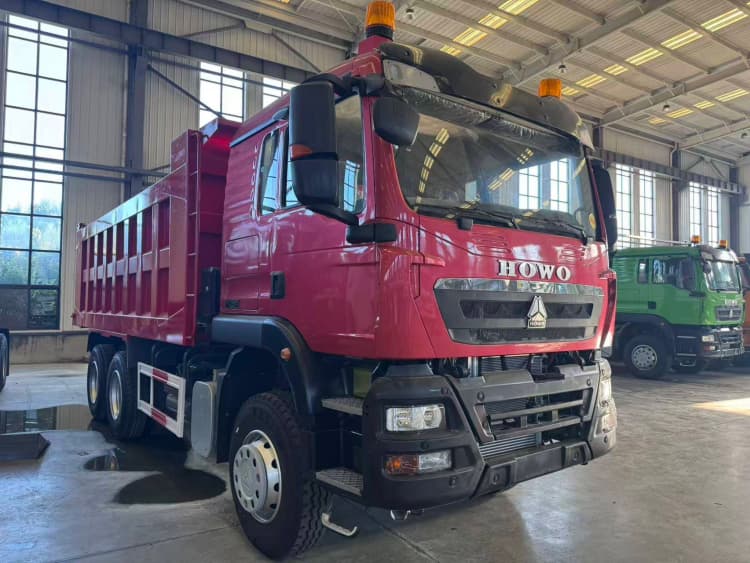
Joint anti-fraud working group for cross-border trade
Scams such as VIN tampering, bait-and-switch shipping and forged test certificates damage the whole truck reman market. A cross-industry working group can share fraud intelligence. Members alert each other to known fraudulent traders, forged certificate templates, common port scams and misclassification tactics. They also develop shared VIN validation workflows and pre-shipment witness checklists. Information sharing raises the barrier for fraudsters, who can no longer target buyers in isolation.
Collaboration with customs and regulatory bodies
Many global markets have evolving import rules for heavy machinery. Industry initiatives act as a formal communication channel between the trade and regulators. Stakeholders jointly explain the difference between certified reman trucks and ordinary used trucks, propose clear customs classification guidance, and help design reasonable import control rules. This avoids blanket bans or arbitrary detention of properly remanufactured trucks, while supporting regulation of low-quality salvage imports.
Shared ESG and embodied-carbon reporting framework
Circular economy and Scope 3 emissions claims are increasingly required by mining and construction tenders. Without a common calculation method, carbon claims are seen as marketing. Industry collaboration can build a unified methodology for calculating embodied carbon savings from remanufacturing. Members report using the same formula, so buyers can compare ESG performance reliably. This helps reman trucks compete on verified sustainability, not just price.
Collective buyer education and transparent knowledge sharing
Most fleet procurement teams learn the hard way about procurement traps, duty mismatch and poor after-sales. Industry groups can publish free, public guidance documents. Topics include how to design pre-purchase audits, how to read NDT reports, how to structure payment milestones and how to evaluate after-sales support. Educated buyers become less likely to fall for low-price traps, and more willing to trust properly certified reman trucks.
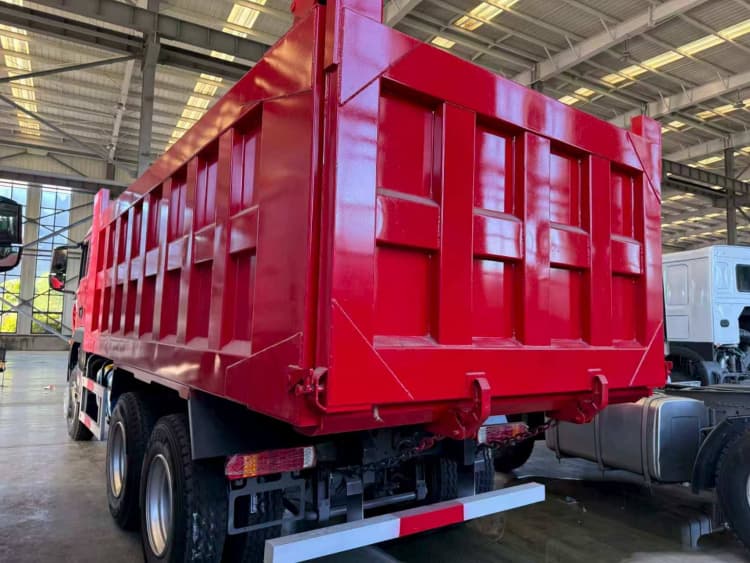
Benchmarking and voluntary market recognition scheme
A voluntary industry recognition scheme rewards certified remanufacturers that meet the shared baseline standard. This is not a government licence, but a collective mark signalling adherence to common rules. Certified remanufacturers must submit to periodic spot audits by independent third parties. Buyers can filter certified remanufacturers by this mark. It creates market incentives: reputable true remanufacturers gain differentiation, while operators with loose standards are gradually pushed out of formal tender channels.
Important guardrail
Collective industry standards set a minimum baseline; they do not cap quality. REMAN ROAD’s own engineering, testing and traceability requirements exceed the industry minimum. Collaboration aligns the market floor, while individual true remanufacturers still compete by lifting their own quality and service higher. Also, voluntary initiatives cannot replace binding contract terms and buyer-side pre-purchase audit discipline.
Final Takeaway
Trust in the truck reman market cannot be built by one brand working alone. For industry leaders and procurement stakeholders, the key takeaway is simple: collective industry initiatives align terminology, inspection rules and anti-fraud practices, raising the minimum quality floor and turning truck remanufacturing from a risky grey-market option into a trusted, mainstream heavy-asset procurement solution.