
Reverse Logistics: The Starting Point of REMAN ROAD’s Global Reman Closed-Loop
Introduction
Genuine heavy vehicles remanufacturing cannot begin on an assembly line. It starts long before disassembly, machining or dyno testing — with stable, controlled reverse logistics.
Many people focus only on finished remanufactured vehicles and their performance standards. Yet without a reliable flow of qualified cores, the whole circular model collapses. Poorly managed core supply is one of the biggest hidden bottlenecks across the global reman industry.
REMAN ROAD builds its closed-loop system around this critical upstream layer. Its reverse logistics network is designed to collect, screen, grade and transport eligible heavy vehicle cores consistently across regions, while keeping unsafe, fatigued or damaged chassis out of certified production.
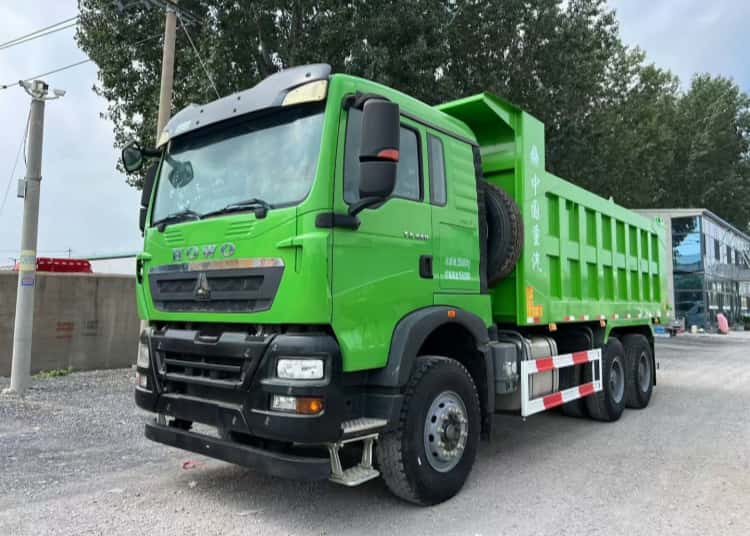
Core Collection & Standard Pre-Screening
The first step is structured core sourcing. REMAN ROAD works with fleet operators, local collection partners and asset managers to recover end-of-service heavy trucks.
Every incoming unit goes through the same pre-qualification checklist before shipment.
- Verify VIN and service history
- Check for frame twist, collision damage, fire impact and severe overload deformation
- Capture baseline photos, mileage records and known fault information
- Reject cores that fail structural screening immediately
This early filter saves wasted transport cost and prevents risky cores from entering authorised reman hubs.
Unified Core Grading Framework
Not all used truck cores are equal. REMAN ROAD applies one shared grading standard across its whole network.
Cores are sorted into clear categories:
- Grade A: Eligible for full certified vehicles remanufacturing
- Grade B: Suitable for component harvesting only
- Rejected: Destined for material recycling rather than vehicles remanufacturing
Grading results travel with the core. A core graded in Central Asia uses the same acceptance rules as one collected in Africa. This removes inconsistent judgement between regional partners.
Specialised Transport & Protection
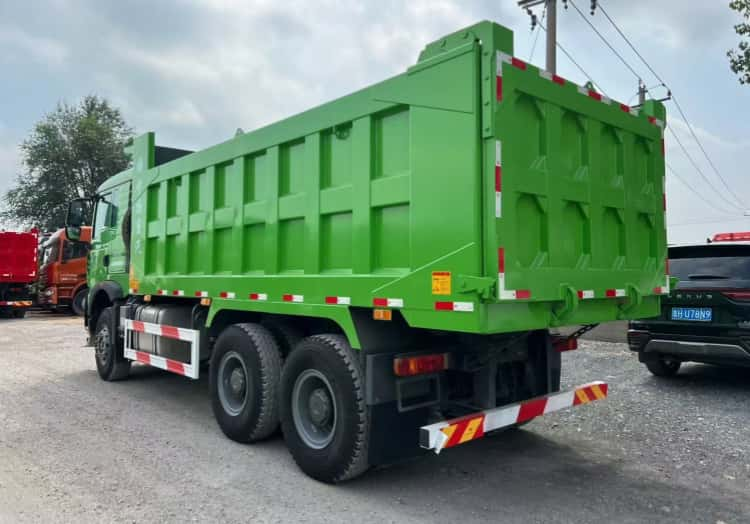
Heavy truck chassis, crankshafts, axle housings and engine blocks are high-value, easily damaged assets.
REMAM ROAD sets dedicated transport requirements for cores. Critical components are secured, protected from corrosion, and tracked individually during transit. The network avoids rough handling that could introduce new cracks or bending before reman work even starts.
Digital Tracking From The Very Beginning
Each qualified core receives its unique traceability ID at the collection stage.
All screening notes, grading results and shipping logs are uploaded to the shared digital platform right away. This record stays linked to the asset through disassembly, NDT testing, reassembly, certification and later delivery to a fleet buyer.
It means the traceability story does not start after vehicles remanufacturing is finished. It starts the moment the core joins the reverse flow.
Cross-Border Reverse Flow Rules
For a global ecosystem, reverse logistics must also work across borders.
REMAM ROAD develops clear documentation for cross-border core shipments. Standard grading reports and inspection records help customs and receiving hubs understand what these assets are. The goal is to reduce delays caused by confusion between scrap trucks, general used vehicles and qualified reman cores.
Linking Reverse Logistics To Downstream Production
This upstream work directly shapes quality at every later stage.
When reman hubs receive pre-screened, graded cores, they can schedule production steadily. They know in advance which parts can be reworked, which must be scrapped, and which will need full replacement.
Stable reverse logistics turns reman from a reactive, job-shop rebuild activity into a predictable, scalable industrial reman workflow.
Closing
Reverse logistics is the foundation of REMAN ROAD’s closed-loop vision. It turns scattered end-of-service heavy trucks into a controlled, traceable supply of qualified cores.
By standardising collection, screening, grading and cross-border transport, REMAN ROAD removes one of the largest barriers to trusted global reman trade. Only with this reliable upstream pipeline can certified reman assets be produced consistently, and the circular heavy vehicle ecosystem keep growing.